
Last updated November 23, 2026
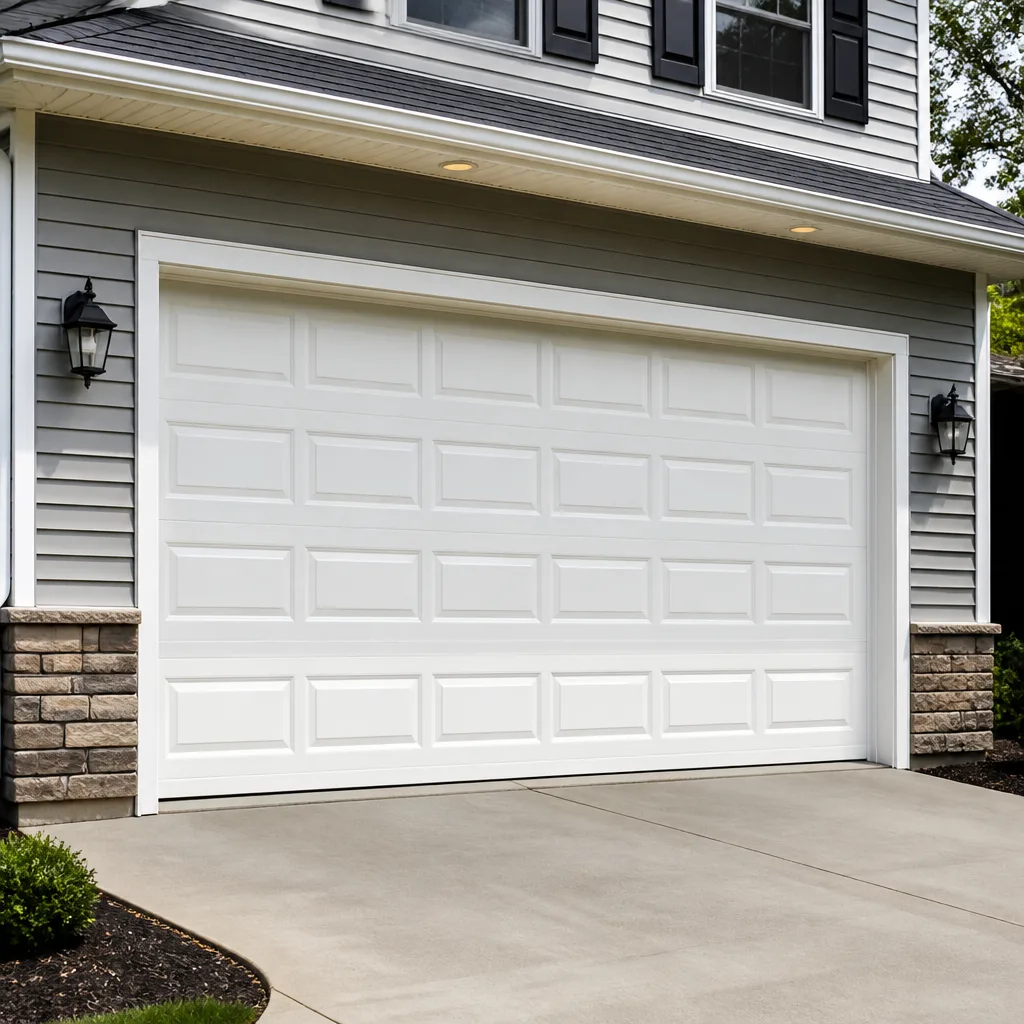 Raised-panel steel
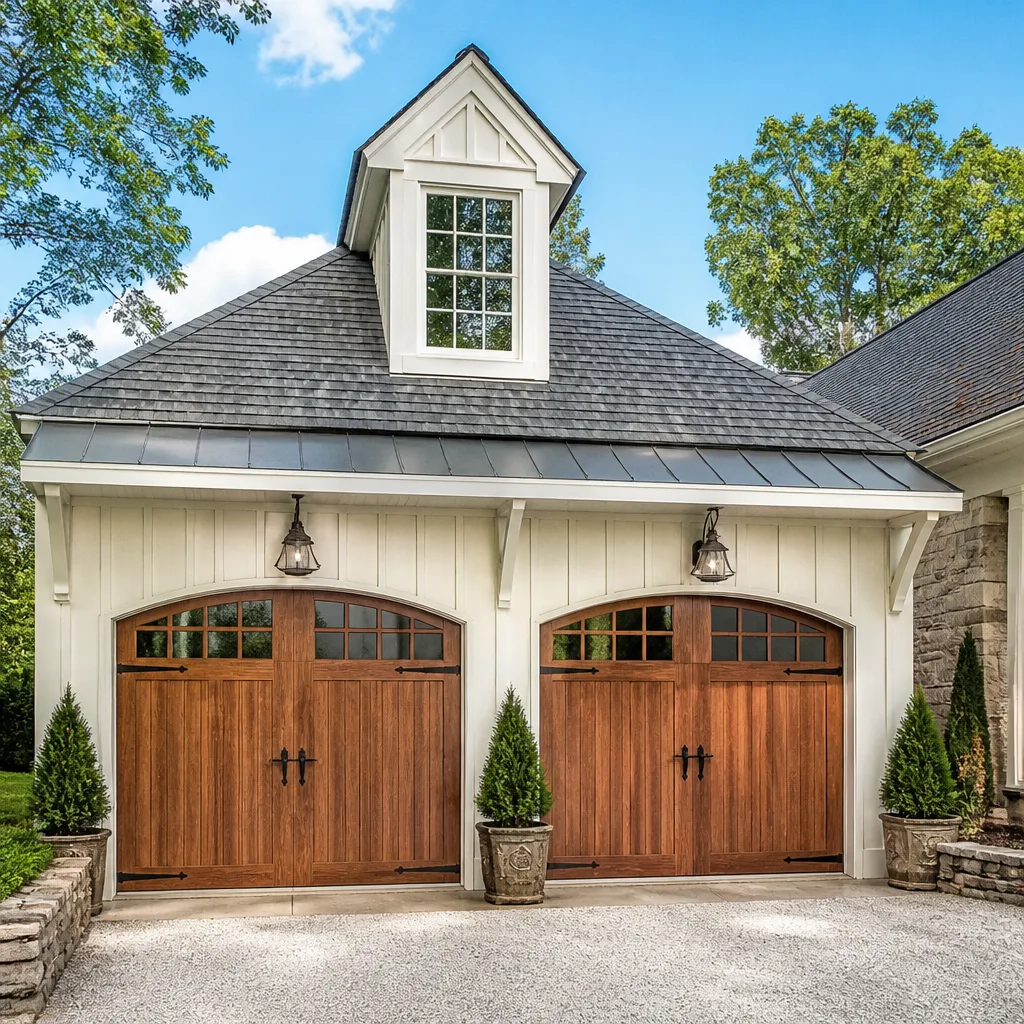 Carriage house
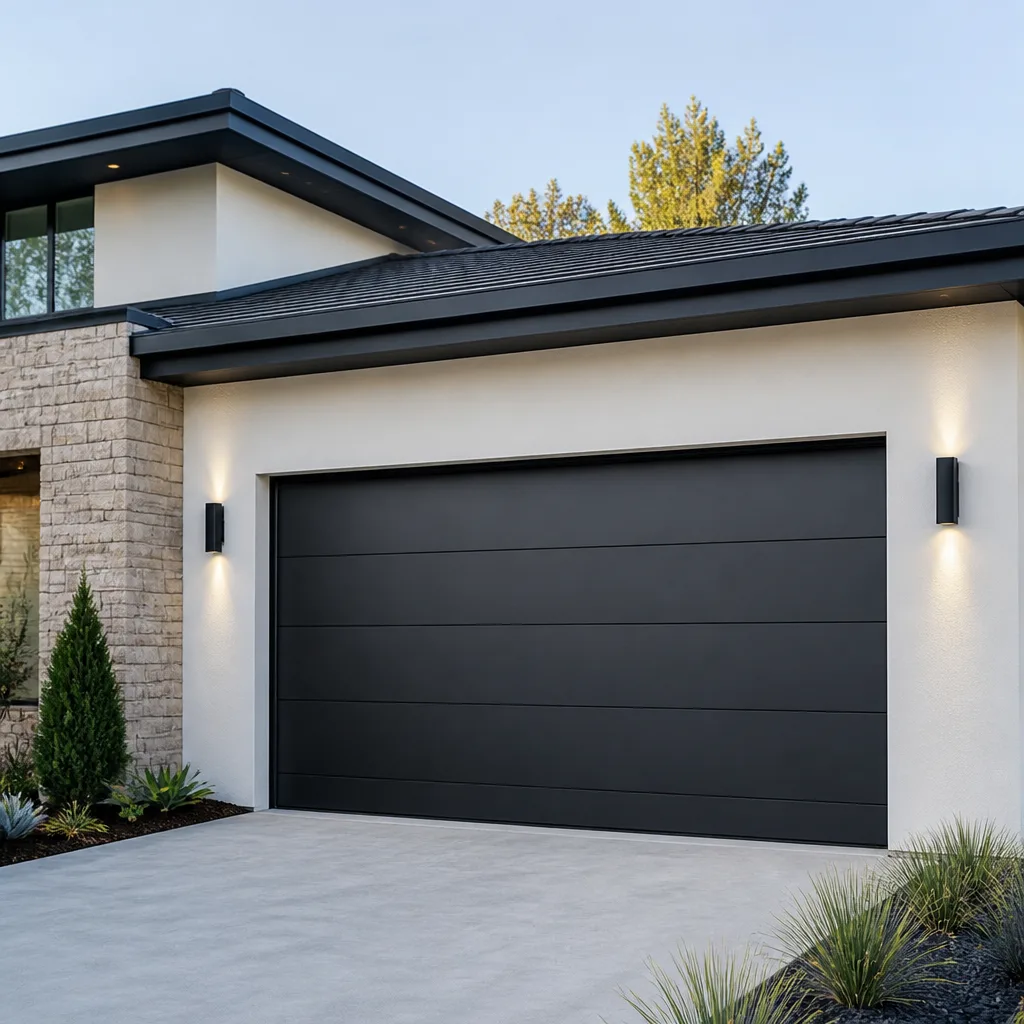 Modern flush
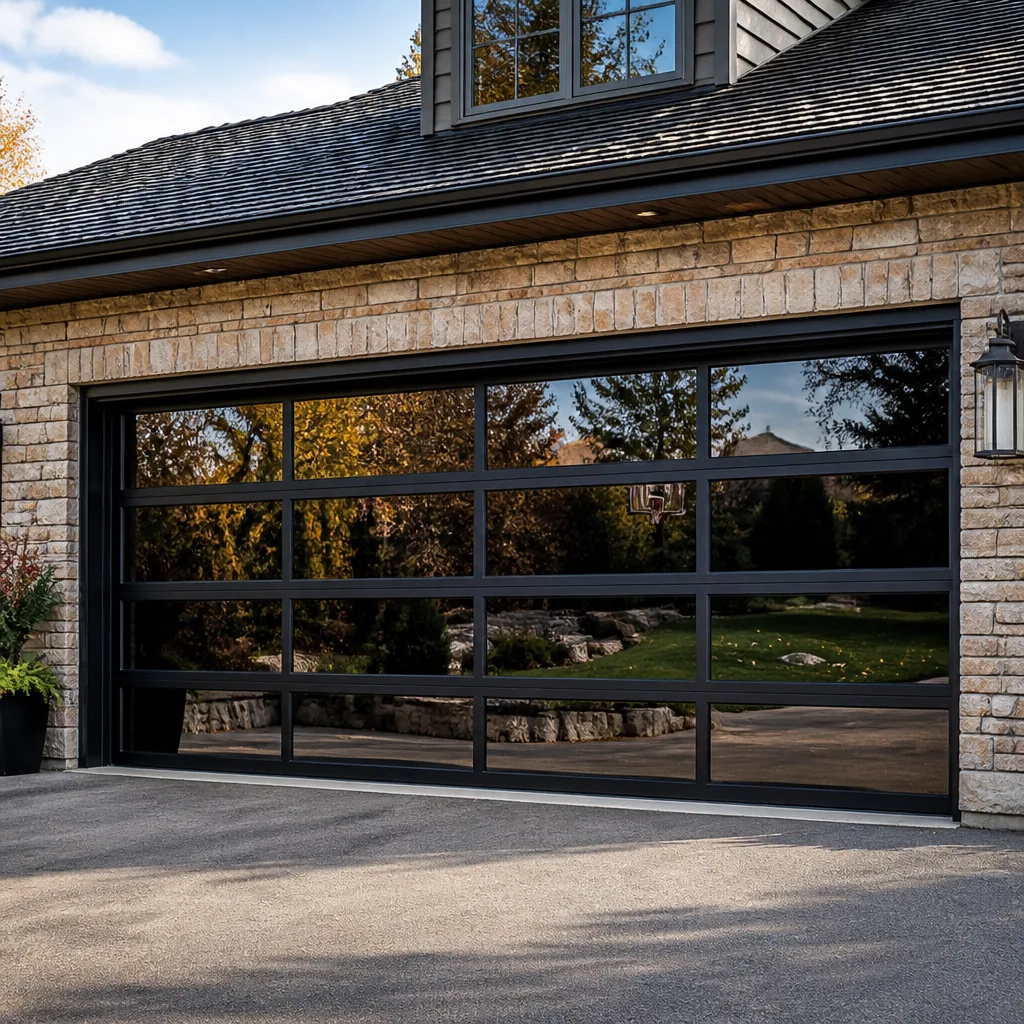 Full-view glass
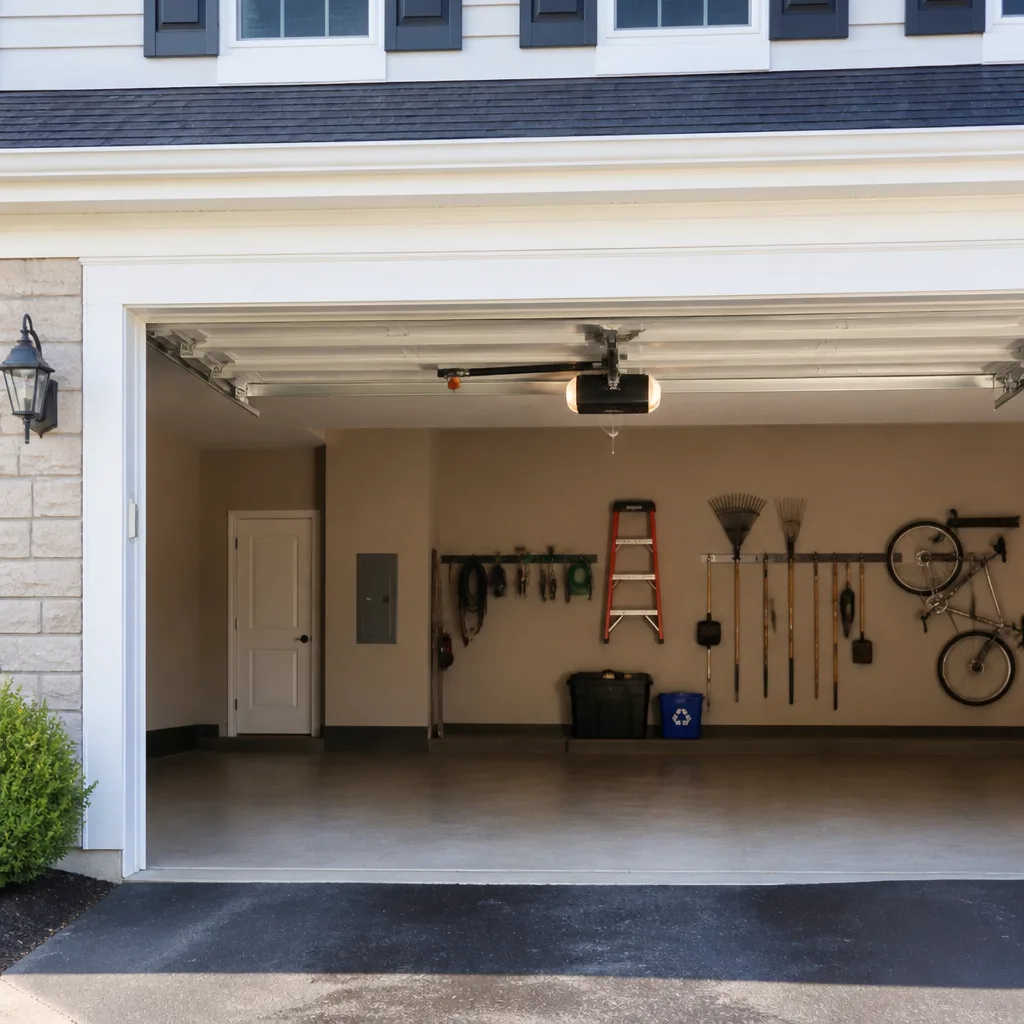 LiftMaster openers
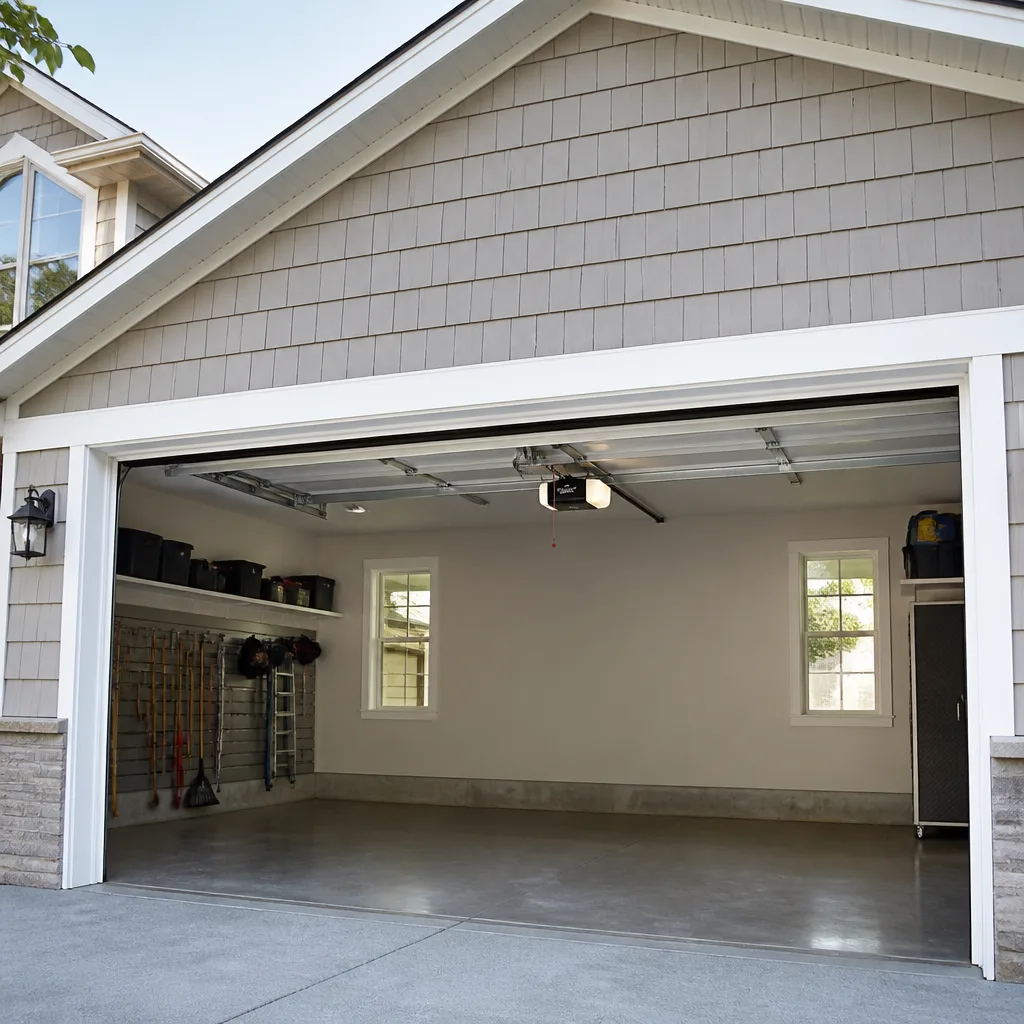 Chamberlain openers
Full 25-point door and opener safety check with every visit - springs, cables, rollers, tracks, and your LiftMaster or Chamberlain opener included
You get a price before we start. It does not change when the pro arrives.
Get your free estimateDIY vs Professional Garage Door: The Woodbridge Township Homeowner’s Decision Guide
Most advice about garage door work splits into two camps. Either “never touch a garage door” or “you can fix anything with a video and a free afternoon.” Both are wrong, and the mistake in either direction costs Woodbridge Township homeowners money or safety. A torsion spring stores enough energy to injure you badly, and it sits above your car with instructions filmed on a door that doesn’t match yours. But a squeaky roller, a worn bottom seal, or a remote that quit pairing are jobs a careful homeowner can do in an afternoon. This guide draws the line precisely: which tasks are genuinely DIY-friendly, which need precautions, which belong to a professional, and why.
Quick Answer
Some garage door work is safe to do yourself: weatherstripping, roller replacement on a door held open with the springs relaxed, remote programming, and light cleaning and lubrication. Spring, cable, and torsion work is professional-only because a mistake releases stored energy that can cause serious injury. Panel repair, opener troubleshooting, and anything involving the door coming off its tracks sit in the middle. In Woodbridge Township, the deciding factor isn’t confidence, it’s which component you’re touching.
Styles & brands we work with
- Raised-panel steel
- Carriage house
- Modern flush
- Full-view glass
- LiftMaster openers
- Chamberlain openers
Table of Contents
- The Three-Category Framework: What’s Safe, What’s Risky, What’s Professional-Only
- Cost-Benefit for the Jobs People Actually Attempt
- The Tools and Knowledge That Separate a Capable DIYer from a Dangerous One
- How NJ Liability and Insurance Intersect with DIY Garage Door Work
- How Woodbridge Township Weather Affects Your Door
- The Three Questions to Ask Before You Pick Up a Tool
- A Maintenance Routine a Homeowner Can Actually Keep
- When to Stop and Call
The Three-Category Framework: What’s Safe, What’s Risky, What’s Professional-Only
The garage door industry tends to lump every repair into “call a pro,” which is unhelpful. A better system sorts tasks by what the component does mechanically. If a part holds the door’s weight, stores energy, or controls the door’s travel, professionals handle it. If a part seals, cushions, or communicates, a homeowner usually can.
Category 1: Safe DIY
These tasks involve no stored spring tension and no load-bearing hardware:
- Weatherstripping and bottom seal replacement – the rubber strip along the floor and the vinyl flaps around the frame. These seal drafts and water, and they wear out on every door eventually.
- Roller replacement – only with the door fully open, the opener disconnected, and the door clamped or blocked so it cannot drop. The rollers sit in the track and slide out once the hinge bracket is loosened.
- Remote and keypad programming – pairing a new remote to a LiftMaster, Chamberlain, Genie, or Raynor opener is a button sequence in the manual. No tools needed beyond a step stool.
- Lubrication – a garage-door-specific lubricant on hinges, rollers, and the torsion bar bearing plate. This is the single most effective thing a homeowner can do for door life.
- Visual inspection – checking cables for fraying, looking for gaps in the seal, listening for new noises. Knowing what’s normal is half the battle.
Category 2: DIY With Precautions
These are doable if you understand the risk and take the right steps first:
- Panel dent repair – small dents on a steel door can sometimes be worked out from behind with a block and mallet, but only after the door is secured. Overworking a panel creases the metal and turns a cosmetic issue into a replacement.
- Opener force and travel adjustment – the two dials on the opener body. Adjusting them wrong can cause the door to reverse on a person or fail to close. Test the safety reverse after every change.
- Track straightening on a minor bend – a small ding in a vertical track can sometimes be tapped back, but a bend in a horizontal track or anything that has pulled the door out of alignment needs a professional.
- Hinge replacement – the hinges between panels carry the door’s weight on the bottom section. Replacing a top hinge is usually fine; the bottom hinge and the bottom bracket are professional territory.
Category 3: Professional-Only
Do not attempt these, no matter how many videos you watch:
- Torsion spring replacement or adjustment – the spring above the door stores enough energy to break bones or worse. This is the single most dangerous task in the trade.
- Extension spring replacement – mounted along the horizontal tracks, these also carry serious stored energy when stretched.
- Cable replacement – cables are under tension from the springs, and a slipping cable can whip with force.
- Bottom bracket replacement – the bracket at the bottom corner holds cable tension and is one of the most injury-prone points on the door.
- Off-track door recovery – a door that has jumped its track is unstable and can fall. Don’t try to muscle it back.
- Full door replacement – requires measuring the opening, matching spring rates to door weight, and anchoring the tracks correctly.
We handle spring work as a dedicated specialty because it’s the repair most often botched by unqualified hands. If you’re in Woodbridge Township and your spring is broken, that’s a call, not a project.
Cost-Benefit for the Jobs People Actually Attempt
DIY only makes financial sense when the savings exceed the cost of a possible redo. Here’s how the four most common DIY attempts usually shake out.
Weatherstripping Replacement
A straightforward win. The materials are inexpensive, the task takes an hour or two, and a bad install just means a draft you can redo. The only real mistake is buying the wrong thickness for your door’s gap, which is easy to measure before you buy.
Roller Swap
Reasonable if you do it with the door open and secured. The hidden cost comes if you replace rollers with the door in the closed position and the door shifts. Nylon rollers are the upgrade worth making; the labor is what you save by doing it yourself.
Opener Remote Programming
Always DIY. It’s a button sequence and a manual. The only time it stops being a DIY job is when the remote won’t pair at all, which usually points to a logic board or a frequency issue, not the remote. That’s a diagnostic job for garage door opener repair.
Panel Dent Repair
The riskiest of the four. A small dent that comes out cleanly saves the cost of a panel. A dent that gets overworked or cracks the paint on a wood or composite door can mean a full panel replacement, and on older doors, a matched panel may be discontinued. The math flips fast.
The Tools and Knowledge That Separate a Capable DIYer from a Dangerous One
This isn’t about whether you’re handy. It’s about whether you have the specific tools and specific knowledge the job requires. A homeowner who can safely do intermediate maintenance on a garage door usually has three things:
- The right tools: a properly sized socket set, locking pliers or a clamp to secure the door, a step ladder rated for your weight, safety glasses, and garage-door lubricant (not WD-40, which attracts grit). A torque wrench is useful for hinge bolts.
- A basic model of how the door moves: understanding that the springs counterbalance the door’s weight, that the cables connect the bottom bracket to the springs, and that the opener only pulls, it doesn’t lift. If you don’t know what a torsion bar does, stay away from anything near it.
- A habit of testing safety reverse: after any adjustment, placing an object in the door’s path and confirming the door reverses. This is the step most DIYers skip and the one that matters most.
What separates a homeowner who shouldn’t attempt the work isn’t a lack of skill. It’s a lack of information about a specific component. If you can’t explain why a spring is dangerous, you don’t yet have enough information to touch one. That’s not a judgment; it’s the same rule we apply to ourselves when we encounter an unfamiliar opener brand.
Woodbridge Township has a lot of older homes with legacy doors and mixed hardware, which means the door in your house may not match any video online. That’s a common reason a generalist handyman guesses wrong. We work on the brand you already have, whether it’s a LiftMaster opener or a Raynor door from an earlier installation.
How NJ Liability and Insurance Intersect with DIY Garage Door Work
This is the part most guides skip. If you install a spring yourself and it fails later and injures someone, the liability question gets complicated fast.
Homeowners insurance generally covers accidental damage to your own property and injuries to guests under liability coverage, but it typically excludes damage caused by faulty workmanship you performed yourself. That means if a self-installed spring lets go and damages the door, the opener, or a car, the claim may be denied or reduced. Policies vary, so the honest answer is to read your own policy or ask your agent. What we can say is that professional installation is documented, and documented work is easier to stand behind.
There’s also the resale angle. A home inspection in Woodbridge Township will flag a garage door that was recently worked on if the springs, cables, or brackets look improperly installed. That can slow a sale. The inexpensive insurance here is having a licensed and insured local professional do the work and leave a record of it.
We can work with your insurer if a claim is involved, but the more useful takeaway is simpler: the tasks worth insuring are the tasks worth hiring out.
How Woodbridge Township Weather Affects Your Door
Woodbridge Township sits in a climate with real seasonal swings: humid summers, cold winters with freeze-thaw cycles, and plenty of rain. That matters for garage doors in specific ways.
- Winter cold stiffens springs and lubricant. A door that ran fine in October can feel heavy in January. That’s normal, but it’s also when springs are most likely to fail.
- Freeze-thaw at the door’s base wears out bottom seals faster here than in drier climates. A seal that’s cracked lets water in, which rusts the bottom panel and the bottom bracket.
- Summer humidity swells wood doors and loosens hinges and bolts. Wood doors in older Woodbridge Township homes need seasonal checks more than steel or aluminum doors do.
- Salt and road grit tracked in on cars collect on the door’s bottom section and accelerate corrosion on steel panels.
A once-a-year lubrication and a spring check before cold weather begins can prevent most of the failures we see. That’s a maintenance task a homeowner can absolutely do.
The Three Questions to Ask Before You Pick Up a Tool
When you’re facing any new garage door task, run it through these three questions in order. If any answer is “no” or “I don’t know,” stop and call.
- Does this component store energy or hold the door’s weight? Springs, cables, and the bottom bracket do. If you’re touching one of those, the answer alone ends the DIY option.
- Can I secure the door so it can’t move while I work? If you can’t disconnect the opener, clamp the door, and block it so it can’t drop, you don’t have a safe work environment.
- Do I know what “correct” looks like when I’m done? If you can’t explain how you’ll test the result (safety reverse, balance test, seal check), you can’t verify your work. That’s the difference between a repair and a guess.
If all three answers are yes, you’ve probably got a safe DIY job. If any answer is uncertain, that’s the signal to stop.
A Maintenance Routine a Homeowner Can Actually Keep
The best way to avoid a repair is to catch a small problem early. Here’s a routine that takes about twenty minutes and covers the tasks on the safe side of the line.
- Disconnect the opener and lift the door halfway. If it won’t stay in place, the springs are out of balance and need a professional.
- Inspect the springs. Look for a visible gap in a torsion spring or a stretched extension spring. Don’t touch; just look and note.
- Check the cables for fraying or slack. Slack cables mean tension has been lost somewhere.
- Lubricate hinges, rollers, and the torsion bearing plate with garage-door lubricant.
- Test the safety reverse with a roll of paper towels or a piece of wood in the door’s path.
- Look at the bottom seal for cracks or gaps. Replace if it’s dried out, which happens faster in this climate.
If a step turns up something you don’t understand, that’s the right moment for garage door repair. A quick diagnosis now is cheaper than a failed door later.
Common Mistakes to Avoid
- Winding a torsion spring without the proper winding bars. A screwdriver or a makeshift bar can slip out under load. This is how most DIY spring injuries happen.
- Working under a raised door that isn’t secured. The opener can be remotely activated or fail mid-job. Always disconnect it and clamp the door.
- Using WD-40 on rollers and hinges. It’s a solvent, not a lubricant. It strips existing grease and attracts grit, which accelerates wear.
- Adjusting opener force when the real problem is a bad spring. Increasing force to compensate for a door that’s getting harder to lift masks the underlying failure and stresses the opener.
- Buying a replacement panel without checking the door’s model. Older doors in Woodbridge Township often have discontinued panels. Measure and match before you buy.
- Ignoring a door that reverses for no reason. That’s a safety sensor or logic board issue, not a mystery, and it usually gets worse.
- Skipping the post-repair safety test. Any adjustment to travel or force needs a safety reverse test immediately, not “later.”
See the difference
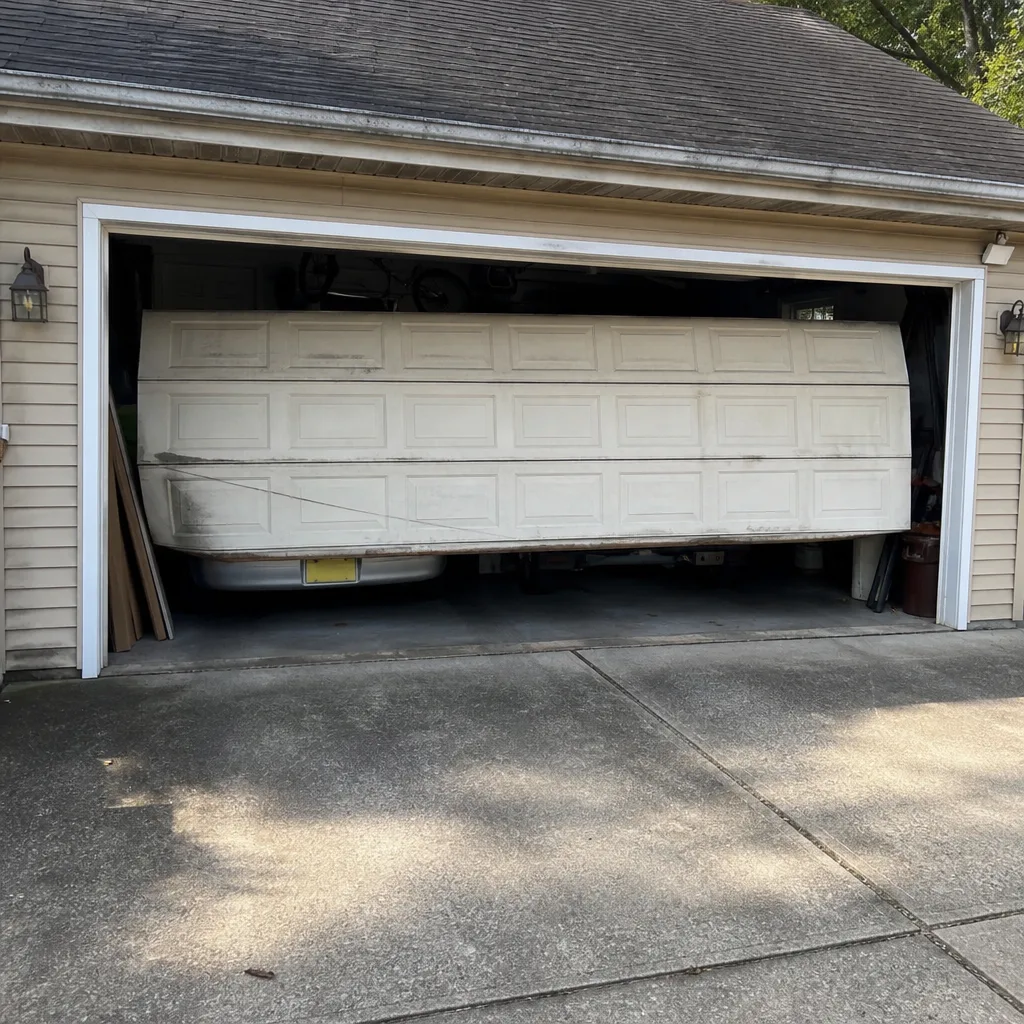 Before
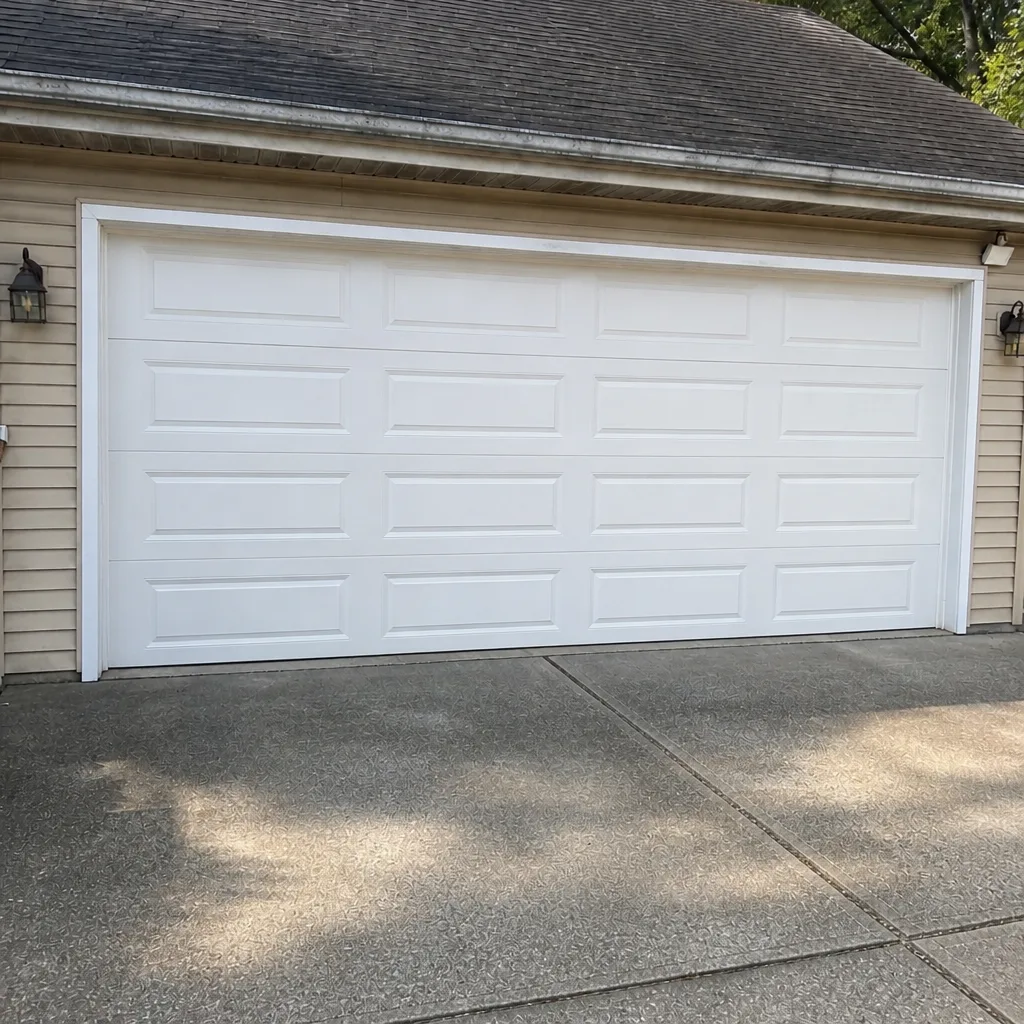 After
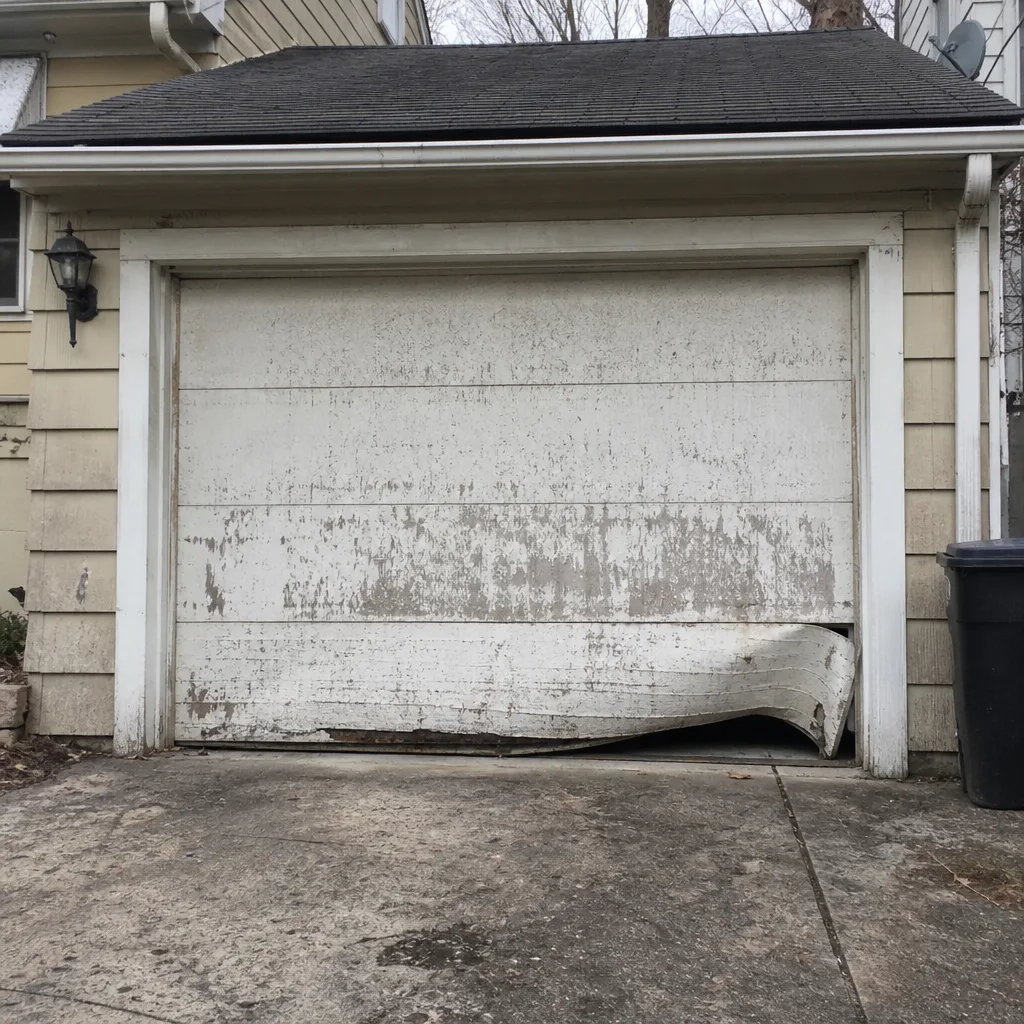 Before
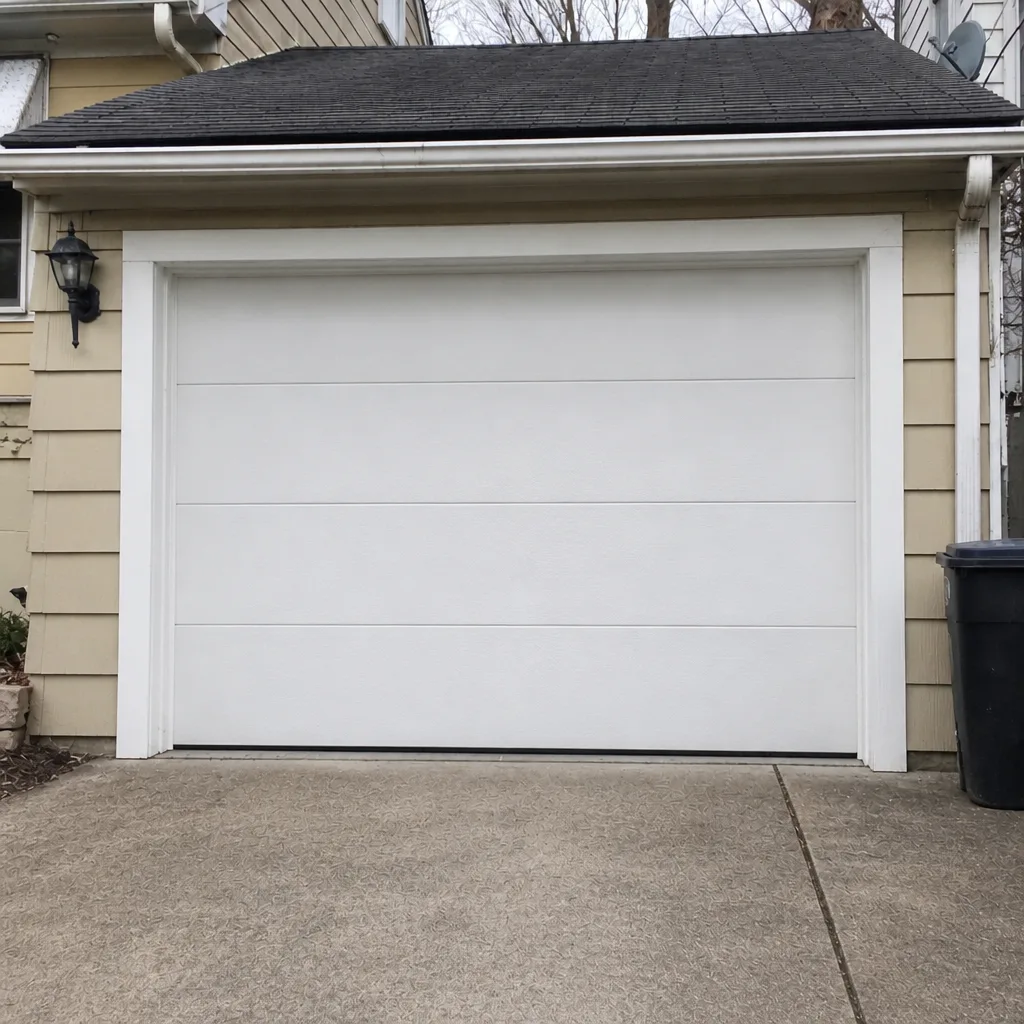 After
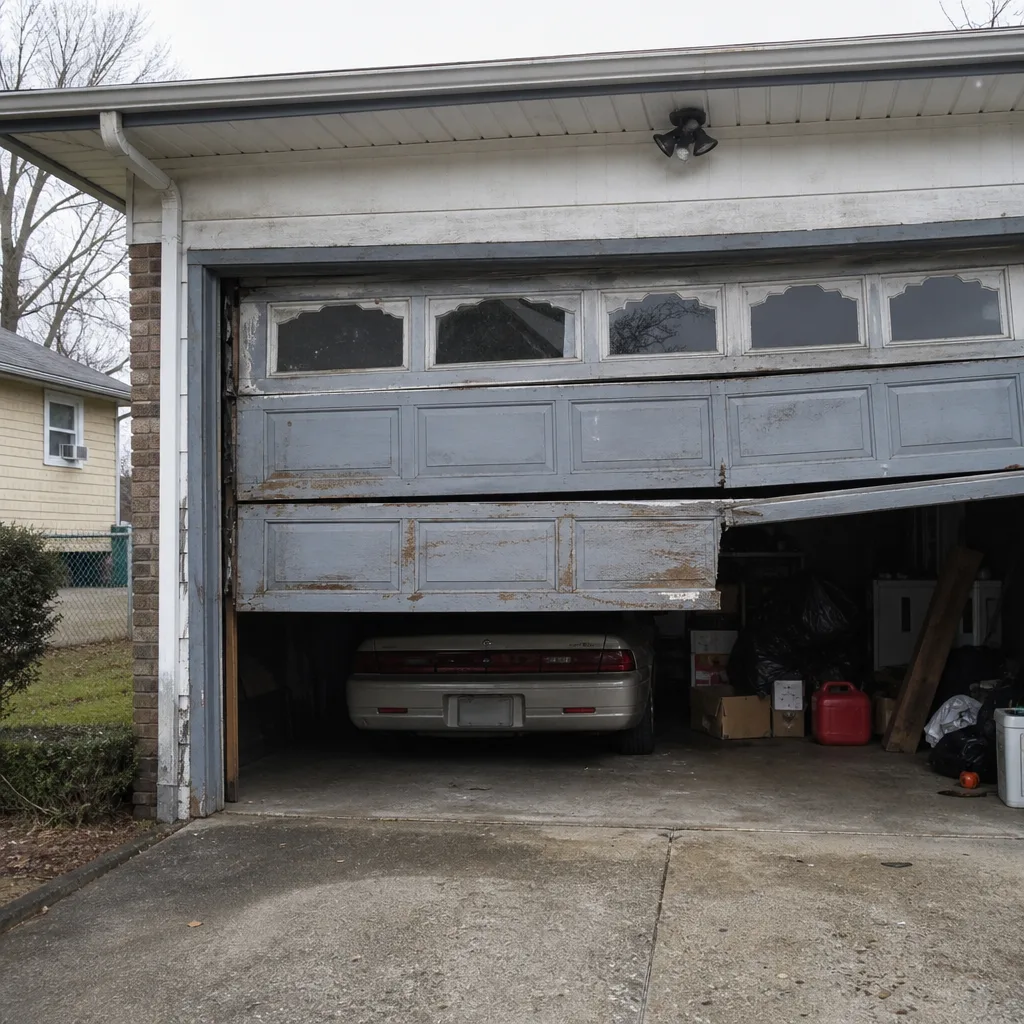 Before
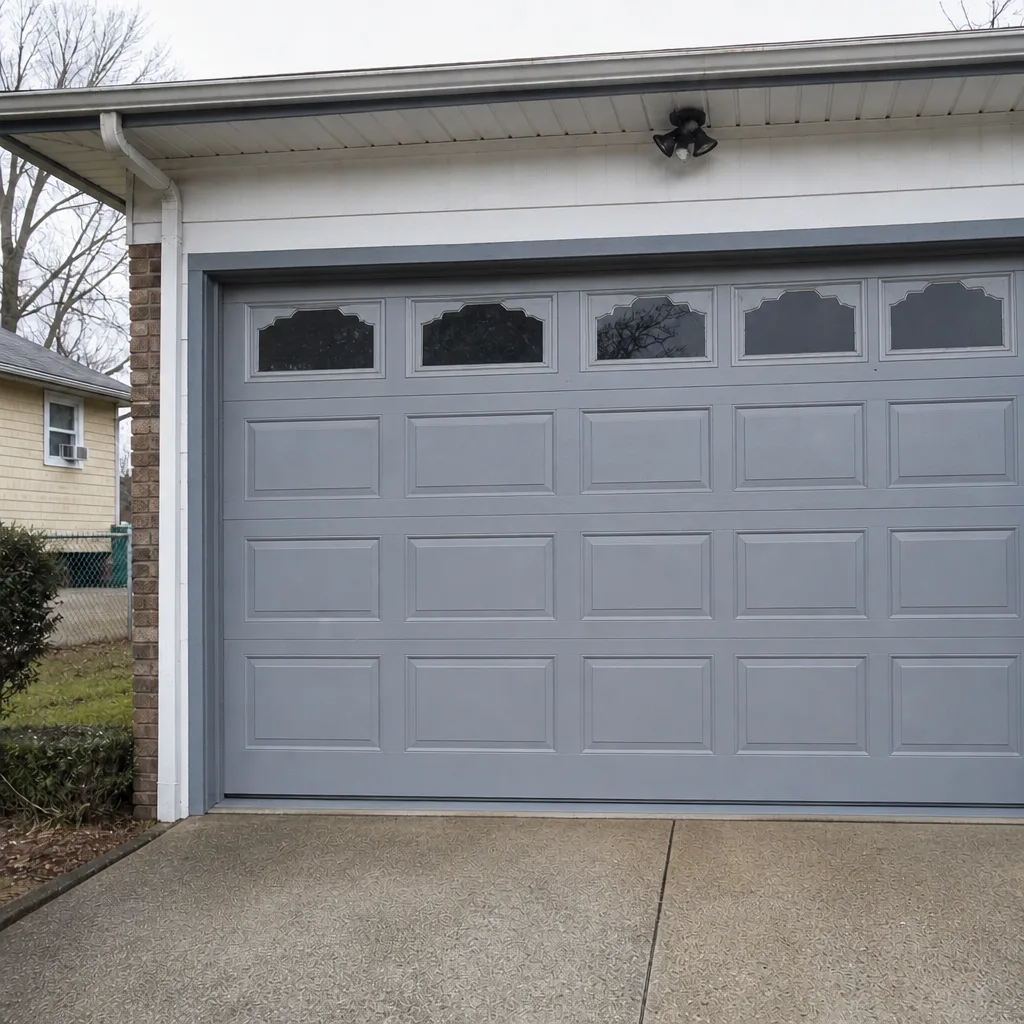 After
When to Call a Professional
Call a professional for anything involving springs, cables, the bottom bracket, off-track doors, or a door that’s hard to lift by hand. Call for a door that reverses for no reason, an opener that trips a breaker, or a garage door that has never been serviced and is over a decade old. Call for full installation or replacement, which requires measuring the opening, matching spring rates to door weight, and anchoring tracks correctly. And call if you’ve started a job and found something you don’t understand; stopping is the right move. Woodbridge Garage Door Repair Pros offers free estimates in Woodbridge Township. Call (855) 337-1749. We answer 24/7. Fast dispatch from 7am to 7pm, Sunday through Friday.
Frequently Asked Questions
No. Torsion and extension springs store enough energy to cause serious injury, and a slip during winding can release it in an instant. Spring work is the most common place DIYers and unqualified techs get hurt. Call (855) 337-1749 for a free estimate on spring repair done safely.
Yes. Weatherstripping and bottom seals are safe DIY jobs because they carry no stored tension. Measure the gap under your door before buying, and check the seal again after winter, when freeze-thaw wear shows up fastest. If the seal has rusted the bottom panel, that’s worth a look by a professional.
Your homeowners policy may exclude damage caused by your own faulty workmanship, though details vary by policy and you should ask your agent. The safer path is to have spring work done by a licensed and insured local professional and keep the record. Call (855) 337-1749 to schedule a free estimate.
We’re closed Saturday. We’re open Sunday through Friday, 7am to 7pm. If a door fails on a Saturday, call and we’ll book you for Sunday. Call (855) 337-1749. We answer 24/7. Fast dispatch from 7am to 7pm.
Repair usually wins if the door’s panels are structurally sound and only the springs, rollers, opener, or hardware are failing. Replacement makes sense when panels are badly dented, the frame is rotting on a wood door, or the door is out of balance and the panels are separating. A free estimate gives you a written answer. Call (855) 337-1749.
Yes. We service eight widely installed garage door and opener brands, including LiftMaster, Chamberlain, Genie, Clopay, Amarr, Wayne Dalton, Craftsman, and Raynor. That covers legacy mechanical openers and current smart-home platforms alike. Call (855) 337-1749 for help with garage door opener repair or a new installation.
The Bottom Line
The DIY versus professional question isn’t about whether you’re capable. It’s about which component you’re touching. Weatherstripping, rollers, remotes, lubrication, and visual inspections are safe for a careful homeowner and save real money. Springs, cables, the bottom bracket, and off-track recovery carry injury risk that no instruction video can eliminate. Panel dents and opener adjustments sit in the middle, doable with precautions. When in doubt, run the task through the three questions. If any answer is uncertain, stop. The written estimate from a professional is the price you pay, and it’s quoted before any work starts. For spring work or a door that’s failing, call (855) 337-1749 for a free estimate.
If you’re still deciding whether to repair or replace, our garage door spring repair and Woodbridge Garage Door Repair Pros pages walk through what each service actually involves. From an opener glitch to a full installation, we work on the brand you already have, and we’ll tell you plainly when a repair is the right call and when it isn’t.
Written by the team at Woodbridge Garage Door Repair Pros.