
Last updated November 23, 2026
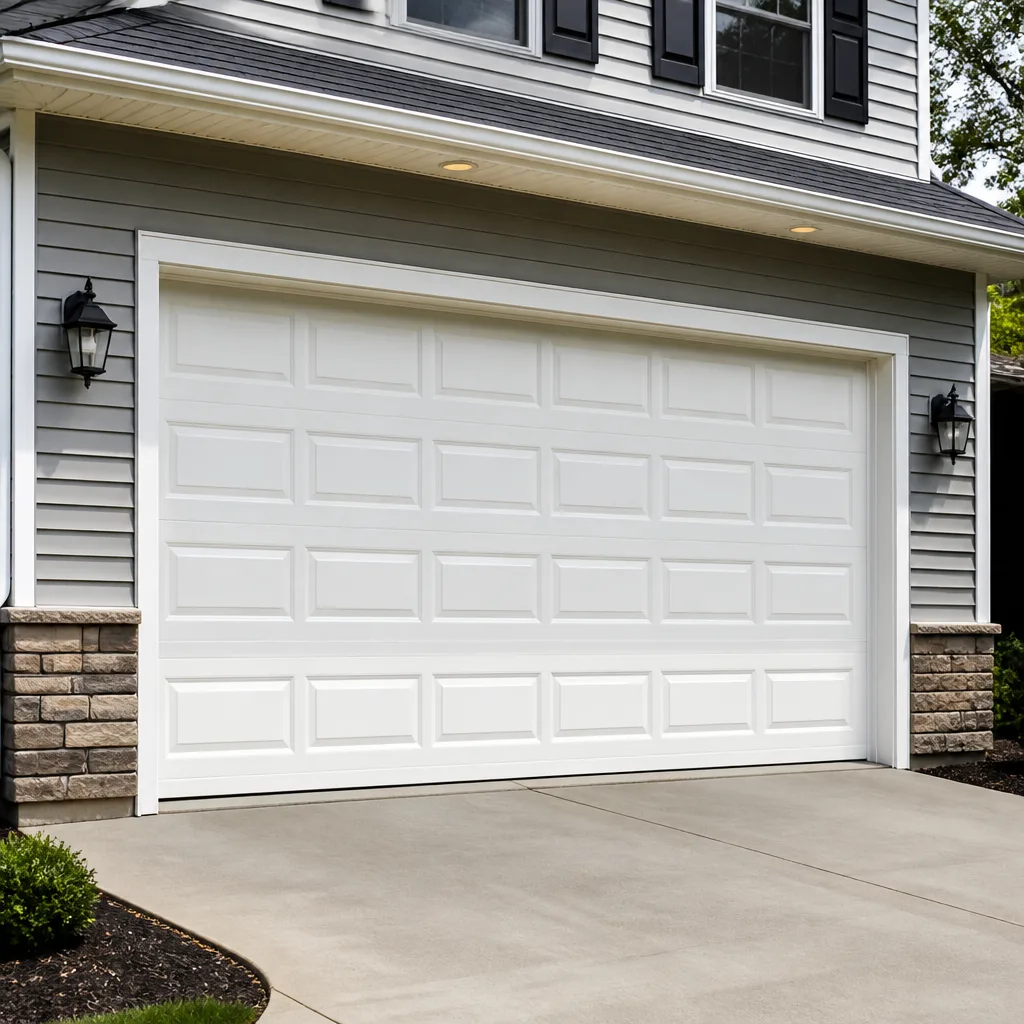 Raised-panel steel
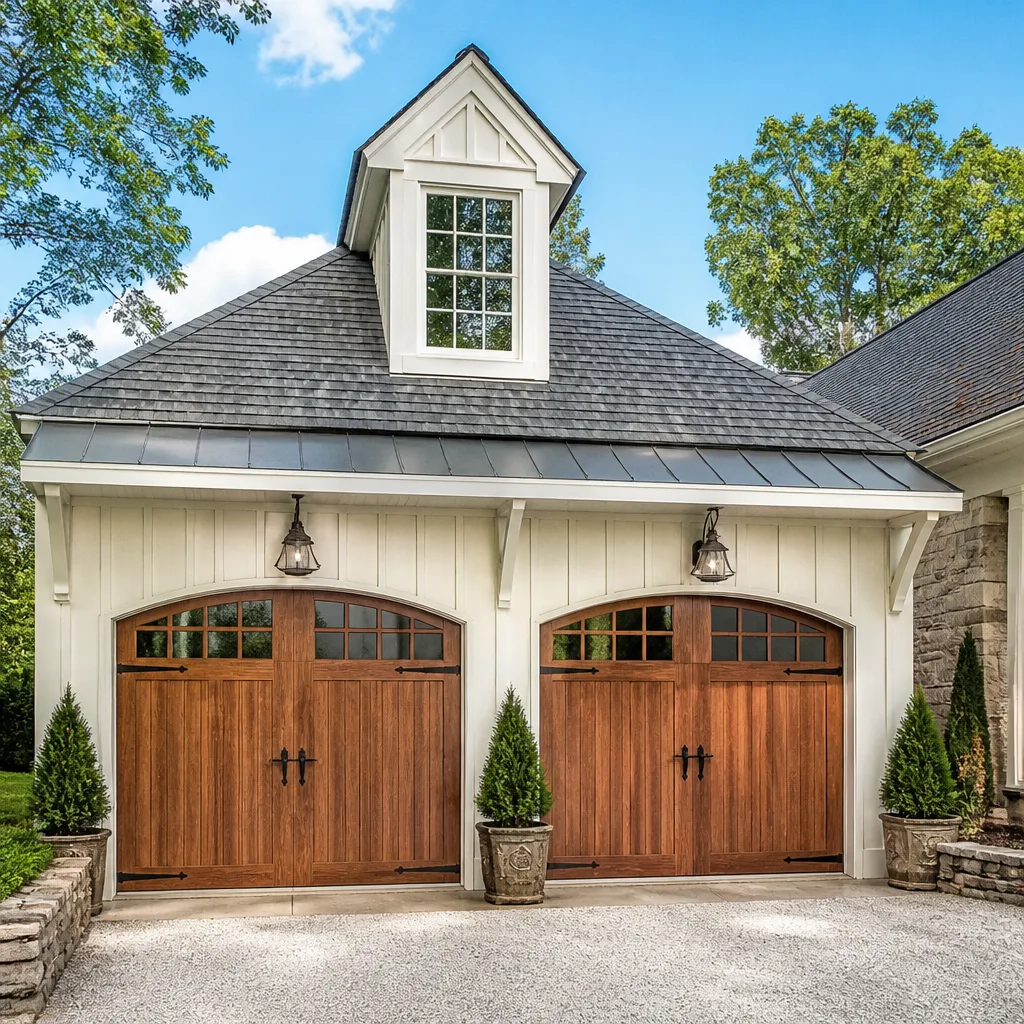 Carriage house
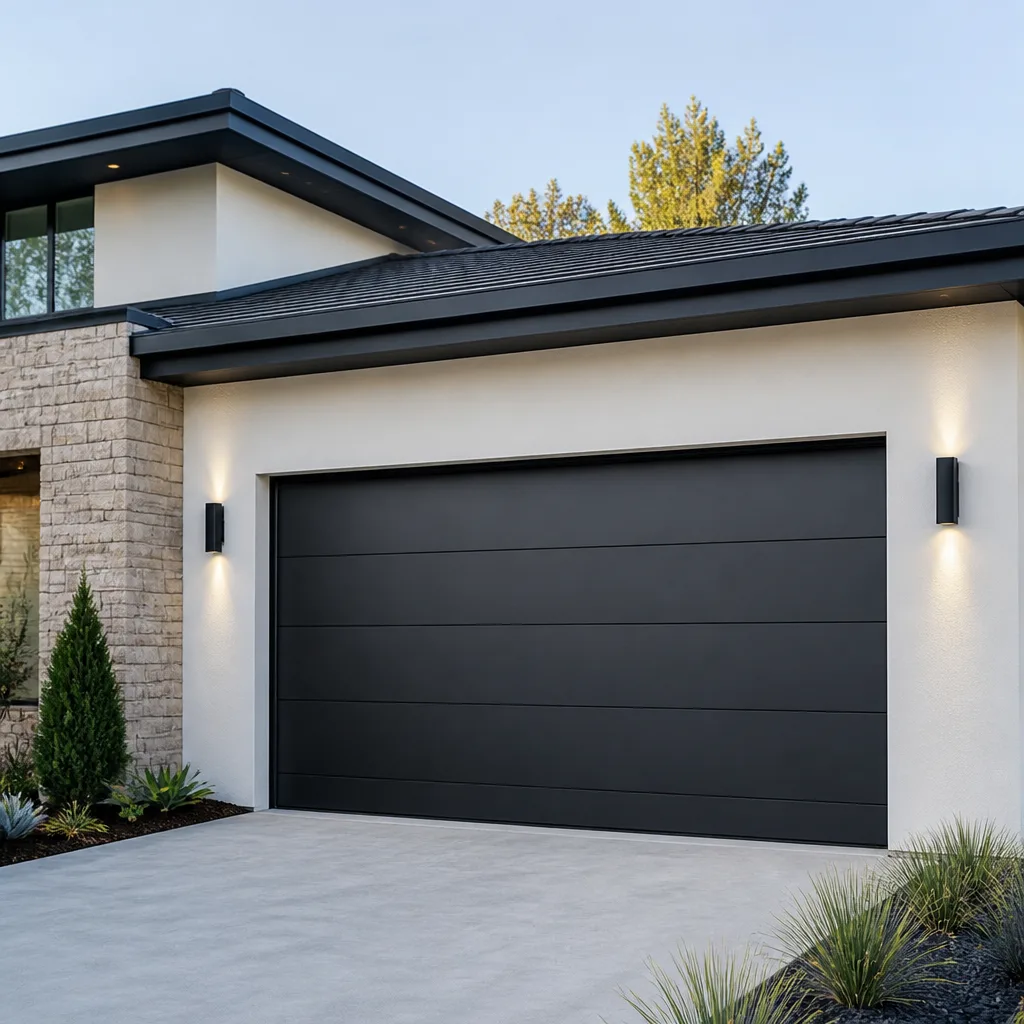 Modern flush
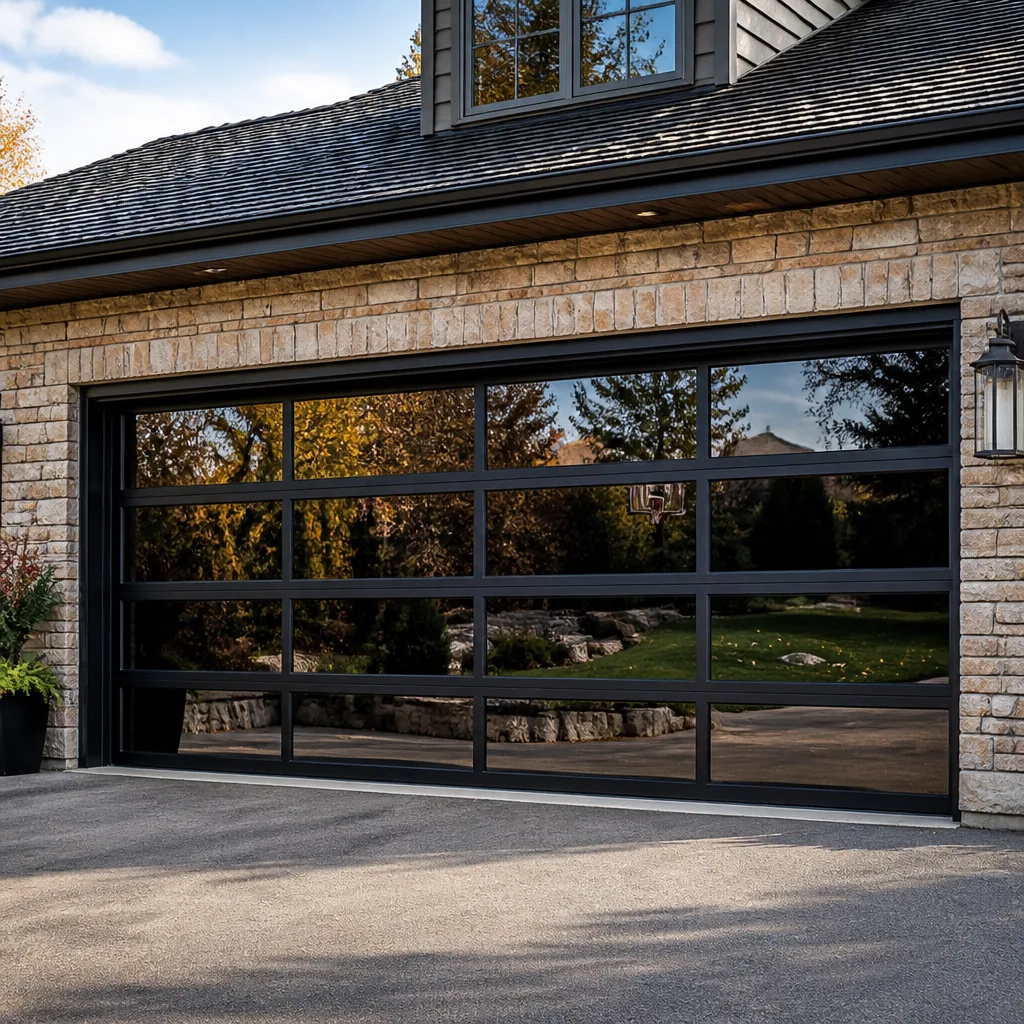 Full-view glass
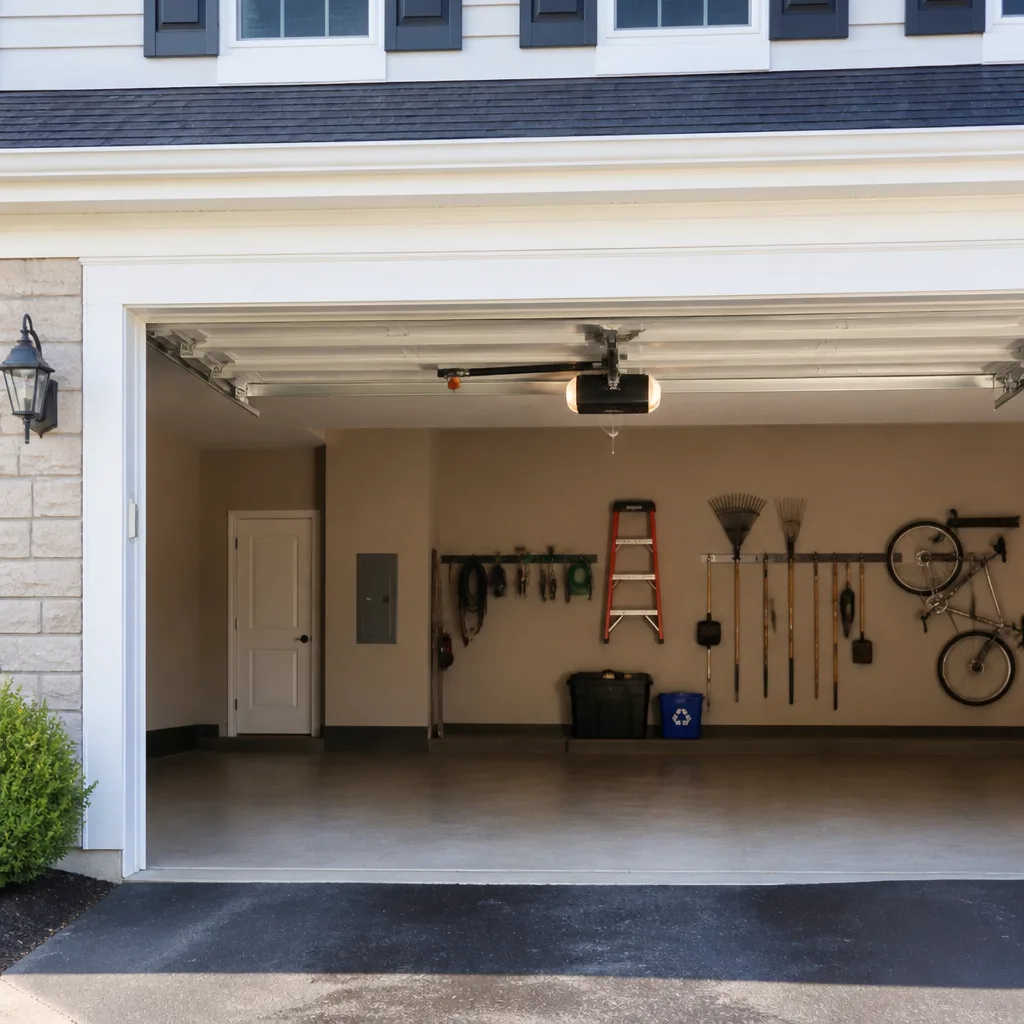 LiftMaster openers
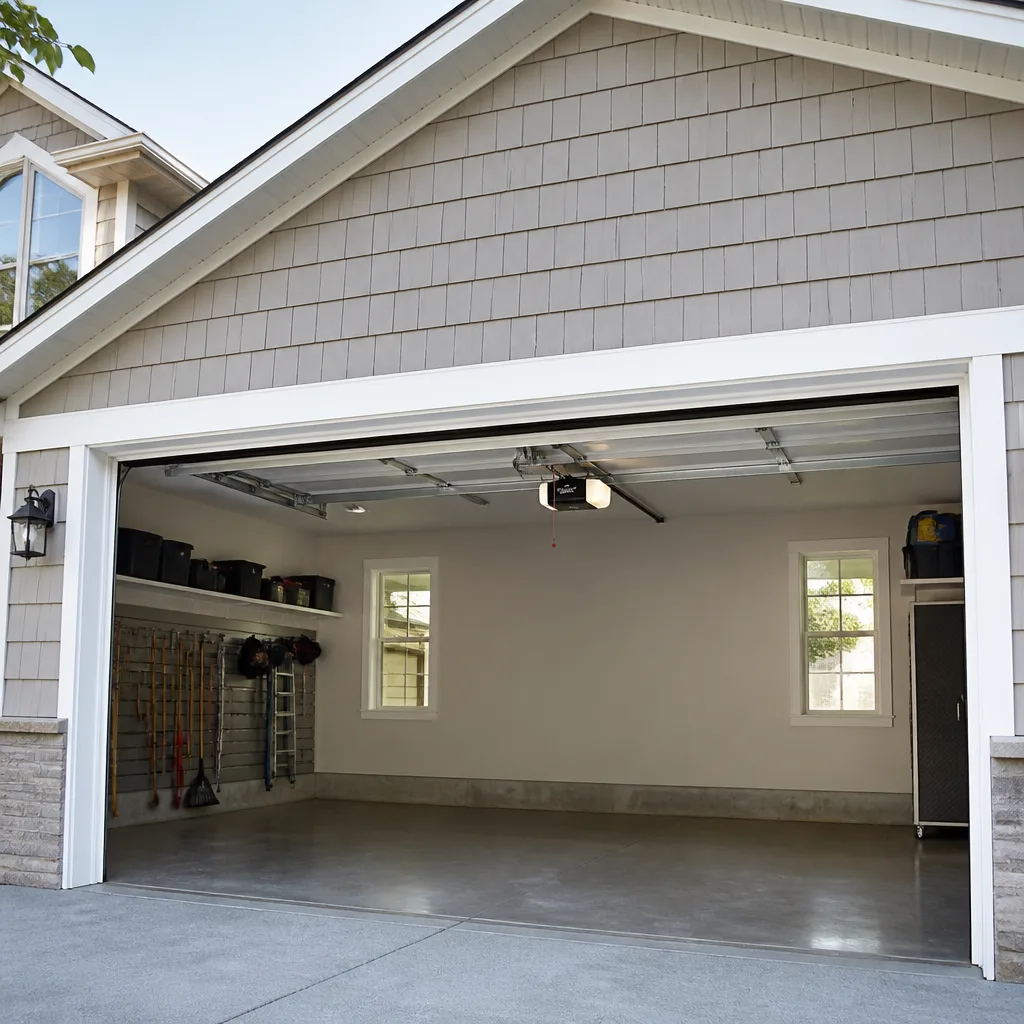 Chamberlain openers
Full 25-point door and opener safety check with every visit - springs, cables, rollers, tracks, and your LiftMaster or Chamberlain opener included
You get a price before we start. It does not change when the pro arrives.
Get your free estimateThe Complete Guide to Garage Doors in Woodbridge Township
Most “complete garage door guides” are written for a fictional average homeowner. In Woodbridge Township, the garage on a Fords ranch-style home and the one on an Avenel colonial built 30 years later have almost nothing in common – different spring systems, different headroom, different failure modes. Treating them the same is exactly why so many repairs fail the first time. This guide maps the actual door landscape across Woodbridge Township neighborhoods so you know what you have, what it needs, and what it costs locally.
Quick Answer
There’s no single “standard” garage door setup in Woodbridge Township. A post-war ranch in Fords likely runs extension springs and a chain-drive opener, while a 1990s colonial in Avenel or Colonia probably has a torsion system with a belt-drive or screw-drive opener, and newer townhomes often use high-lift torsion with a smart-connected opener. The right repair, parts, and price depend on which of these you actually have – not on a one-size-fits-all assumption.
Styles & brands we work with
- Raised-panel steel
- Carriage house
- Modern flush
- Full-view glass
- LiftMaster openers
- Chamberlain openers
Table of Contents
- How Woodbridge Township’s Housing Stock Predicts Your Door Type
- Neighborhood by Neighborhood: Fords, Avenel, Port Reading, and Colonia
- Torsion vs. Extension Springs: Why the Distribution Matters for Cost
- Local Climate and How It Wears Your Door Down
- The Multi-Brand Reality: Mismatched Doors and Openers
- What a Realistic Service Timeline Looks Like
- What Garage Door Work Costs in Woodbridge Township
- What You Can Check Yourself (and What You Shouldn’t)
How Woodbridge Township’s Housing Stock Predicts Your Door Type
Woodbridge Township grew in distinct waves, and each wave left behind a different kind of garage. If you know when your neighborhood was built out, you can make a pretty good guess about what’s hanging over your driveway before you even look.
The post-war boom of the late 1940s through the 1960s produced thousands of single-story ranches and split-levels. These homes typically have a one-car or one-and-a-half-car garage with a low ceiling. That low headroom usually means extension springs running along the horizontal tracks, or occasionally a low-clearance torsion setup. The doors themselves tend to be narrower – often 8 or 9 feet wide – and many have been replaced once already with a basic steel pan door.
The 1980s and 1990s brought two-story colonials and larger footprints to Avenel, Colonia, and the Iselin edge. These garages are wider (16 feet is common), the ceilings are higher, and torsion springs mounted on a shaft above the door became the standard. Openers from this era were mostly chain-drive units from Craftsman and Genie.
Newer townhome and infill construction scattered through the township tends to use high-lift torsion systems with tighter, more engineered track geometry, paired with belt-drive or smart-connected openers. These are the setups where a mismatched replacement part causes the most trouble, because the tolerances are tighter.
Why does this matter to you? Because a technician who shows up expecting a torsion system and finds extension springs has to rethink the whole job – and a technician who assumes low-headroom geometry on a high-ceiling colonial will order the wrong springs. Knowing your home’s era is the fastest way to describe your problem accurately on the phone.
Neighborhood by Neighborhood: Fords, Avenel, Port Reading, and Colonia
Woodbridge Township isn’t one housing market – it’s several, stitched together. Here’s how the door landscape tends to break down across the neighborhoods we work in most.
Fords
Fords has a heavy concentration of post-war ranches and capes. Low headroom is the defining constraint here. Extension springs are common, and so are the classic symptoms: a door that slams down, a cable that jumps the pulley, or a spring that’s been stretched past its limit for years. When a Fords homeowner calls about a door that won’t stay up, we ask about ceiling height first.
Avenel
Avenel’s colonials and larger split-levels from the 1980s and 1990s usually run torsion springs. These are the doors where a snapped torsion spring leaves the door completely dead – no lifting it by hand. The wider 16-foot doors also put more load on the opener, so we see more stripped gears and burned-out motors on Avenel doors that have been fighting a heavy door for years.
Port Reading
Port Reading sits closest to the Arthur Kill, and its housing is a mix of older ranches and some newer construction. The older stock often has original or once-replaced doors with extension springs. The proximity to the water does have an effect on hardware – more on that in the climate section below – but it’s the age of the hardware, not the geography alone, that drives most failures.
Colonia
Colonia’s colonials and expanded ranches tend to be mid-size two-car garages with torsion springs and chain or belt openers. Because Colonia has a lot of homes that were expanded or had additions put on, we sometimes find garages where the door was replaced but the opener wasn’t, or vice versa. That mismatch is the single most common issue we diagnose in Colonia.
If you’re not sure which category your home falls into, that’s fine – a quick look at your ceiling (springs above the door on a shaft = torsion; springs running alongside the tracks = extension) tells you most of what you need to know before you call.
Torsion vs. Extension Springs: Why the Distribution Matters for Cost
Spring type is the single biggest predictor of what a repair will cost and how it’s done. And in Woodbridge Township, the split between the two types is unusually even – which is exactly why a generalist can get it wrong.
Here’s how the two systems differ in practice:
- Extension springs run along the horizontal tracks on each side of the door, stretching as the door closes. They’re common on older, low-headroom garages. They’re cheaper to replace individually, but they’re also the springs most likely to fail violently if they’re not cabled.
- Torsion springs sit on a shaft above the door and twist as the door moves. They’re standard on newer and larger doors. They last longer per cycle but cost more to replace, and they’re under constant, heavy tension.
Because Woodbridge Township has both post-war ranches and 1990s colonials in close proximity, a single street can have both systems on it. That matters for cost because the two aren’t interchangeable and a technician can’t just swap one for the other without reworking the hardware.
It also matters for safety. Torsion springs store an enormous amount of energy, and a spring that’s improperly wound or a cable that’s under tension can cause serious injury. Extension springs without safety cables are the other classic hazard – when they break, they can fly across the garage. This is one of the highest-risk repairs on any garage door, which is why we treat spring work as a dedicated specialty rather than a quick add-on. If your spring is broken, don’t try to lift the door or wind anything yourself. Call a trained technician. You can read more about how we handle it on our garage door spring repair page.
Local Climate and How It Wears Your Door Down
Woodbridge Township sits close to the Arthur Kill and Raritan Bay, and the local climate does shape how garage doors fail here. Three factors matter most.
Freeze-thaw cycles. New Jersey winters swing above and below freezing repeatedly. That cycle works on metal: it expands and contracts the door panels, the tracks, and the hardware. Rollers stiffen, hinges loosen, and the spring steel itself fatigues faster when it’s cycling through temperature swings. A door that ran quietly in October can start grinding in January.
Humidity and moisture. Summers here are humid, and the proximity to the water keeps the air damp for more of the year than inland towns. That moisture gets into the garage, and it goes after the steel parts first – hinges, rollers, the bottom bracket, and the springs. Surface rust on a torsion spring is a warning sign, not a cosmetic issue.
Proximity to the Arthur Kill. Port Reading and the neighborhoods closest to the water see the most hardware wear, because the air carries more moisture to the metal. It’s not dramatic – it’s a slow, steady effect – but it means a door near the water may need hinge and roller attention sooner than the same door a few miles inland.
The practical upshot: in Woodbridge Township, you should expect to look at your springs, hinges, and rollers more often than a homeowner in a drier climate would. A little lubrication and a visual check go a long way. But when a spring is rusty or a cable is frayed, that’s a professional job, not a weekend project.
The Multi-Brand Reality: Mismatched Doors and Openers
Here’s something the generic guides don’t tell you: most Woodbridge Township homeowners don’t have a matched garage door and opener set. They have whatever was installed when the house was built, and then whatever was replaced when something broke.
Over decades of homeownership, a house ends up with, say, a Clopay door and a Genie opener, or a Wayne Dalton door running on a LiftMaster. That’s normal. It’s also why a single-brand shop can be a problem – if the company only sells and services one manufacturer’s line, your mismatched setup either gets a forced upsell or gets serviced by someone unfamiliar with half of it.
We work on the brand you already have. That means we’re familiar with the equipment from LiftMaster, Chamberlain, Genie, Clopay, Amarr, Wayne Dalton, Craftsman, and Raynor, and we can diagnose a door and an opener that were never designed to work together. A few things we see often:
- A modern opener on an older door. A newer belt-drive or smart opener installed on a heavy, older door can burn out its motor or strip its gears, because it’s working harder than it was rated for.
- A replacement door on an old opener. A new, lighter door can actually confuse an older opener’s force settings, causing the door to reverse or stop halfway.
- Smart-home openers with mismatched accessories. LiftMaster/myQ, Chamberlain, Genie Aladdin, and Craftsman each run their own app and accessories. When a homeowner upgrades the opener but keeps old remotes, nothing pairs correctly.
If your opener is the problem rather than the door, our garage door opener repair page covers the brand-by-brand details. If you’re not sure which part is failing, describe the symptom on the phone – we can usually narrow it down before anyone comes out.
What a Realistic Service Timeline Looks Like
One of the most common frustrations homeowners have is not knowing how long a repair should take. A local Woodbridge specialist and a regional chain often handle the same job on very different timelines. Here’s what a realistic sequence looks like:
- First call. You describe the symptom – won’t close, won’t open, loud bang, door off-track. A good local technician asks about your home’s era, ceiling height, and whether the springs are extension or torsion. That narrows the diagnosis before anyone arrives.
- Scheduling. For a non-emergency repair, you get a window. For an emergency – a door stuck open at night or a car locked in – the priority is getting someone out as soon as possible. We answer 24/7 and dispatch from 7am to 7pm, Sunday through Friday.
- On-site diagnosis. The technician confirms the failure, checks the springs, cables, rollers, and opener, and gives you a written estimate before any work starts. This is the part where an upsell-heavy company tries to sell you a whole new door. A diagnosis-first company tells you what actually failed.
- Repair or replacement decision. Most spring, cable, roller, and opener repairs are a single visit. A door replacement is a measured, ordered, and scheduled job – it’s not same-day work, because the door has to be sized and ordered.
- Testing and hand-off. The technician runs the door through full cycles, checks the safety reverse, and confirms the opener’s force settings before leaving.
The difference between a local specialist and a regional chain usually shows up at steps 1 and 3. A local company knows the housing stock, asks the right questions, and doesn’t need a second trip to order the right spring. A regional chain may send a sales-first technician who quotes a full replacement before diagnosing a repairable problem.
What Garage Door Work Costs in Woodbridge Township
Costs depend on your spring type, door size, and whether the opener is involved, but here are the typical estimate ranges homeowners in Woodbridge Township can expect. These are estimates, not final prices – the written estimate you receive on-site sets the final price.
| Service | Typical Estimate Range |
|---|---|
| Torsion spring replacement (one spring) | $180 – $340 |
| Extension spring replacement (one spring) | $100 – $200 |
| Cable replacement | $120 – $250 |
| Roller and hinge replacement | $100 – $220 |
| Opener repair | $120 – $280 |
| New opener installation | $300 – $650 |
| New single-car door installation | $900 – $1,800 |
| New two-car door installation | $1,400 – $2,800 |
A note on springs: the ranges above are for one spring. Most doors use a matched pair, and replacing both at once is standard practice, so a pair costs roughly twice the single-spring range. If a technician quotes you one spring’s price for a pair, ask what’s actually being replaced.
Because Woodbridge Township has a mix of extension and torsion systems, the same “broken spring” call can land in very different price brackets depending on which neighborhood you’re in. That’s not a markup – it’s the difference between a $100 extension spring and a $340 torsion spring. The written estimate explains which one you have and why.
One more thing worth stating plainly: the price is quoted and agreed before any work starts. You shouldn’t find out what a job cost after it’s done. If you want a number before you commit, call (855) 337-1749 – estimates are free.
What You Can Check Yourself (and What You Shouldn’t)
There’s a safe middle ground between ignoring your door and taking it apart. Here’s what’s reasonable to check on your own, and where to stop.
Safe to check:
- Whether the door is balanced – disconnect the opener and lift the door halfway by hand. It should stay put. If it drops or rises, the springs are out of adjustment.
- The safety reverse – place a small object in the door’s path and confirm it reverses. If it doesn’t, the opener’s settings need attention.
- Visual condition of springs, cables, and rollers – look for rust, fraying, or gaps. Don’t touch, just look.
- Lubrication – a little garage-door lubricant on hinges, rollers, and the spring (not the track) goes a long way.
Not safe to do yourself:
- Winding, unwinding, or adjusting torsion springs. These are under extreme tension and can cause serious injury. This is the single most dangerous garage door repair, and it’s the one DIYers most often get wrong.
- Replacing cables under tension.
- Adjusting the opener’s force settings beyond the basic reverse test, unless you know the specific model.
If a spring is broken or a cable is frayed, stop and call a professional. The risk isn’t worth the savings.
Common Mistakes to Avoid
- Assuming all Woodbridge Township garages are the same. A Fords ranch and a Colonia colonial have different spring systems, different headroom, and different failure modes. A technician who doesn’t ask about your home’s era is guessing.
- Replacing one spring when both are worn. Matched pairs wear together. Replacing one leaves the older one to fail soon after, and you pay for a second visit.
- Letting a single-brand shop talk you into a full replacement. If your Clopay door needs a new hinge, a company that only sells Amarr doors may steer you toward a whole new door. Get a diagnosis first.
- Ignoring rust on springs and hinges. In Woodbridge Township’s humid climate, surface rust is a warning. Left alone, it becomes a snapped spring.
- Installing a heavier door on an older opener. The opener was rated for the old door. A heavier replacement can burn out the motor or strip gears within months.
- Pairing a new smart opener with old remotes. LiftMaster/myQ, Chamberlain, Genie Aladdin, and Craftsman each use their own accessories. Old remotes won’t pair with a new system, and that’s normal – not a defect.
- Attempting spring work yourself. Torsion springs and cables are under tension that can cause serious injury. This is the one repair to leave to a trained technician, every time.
See the difference
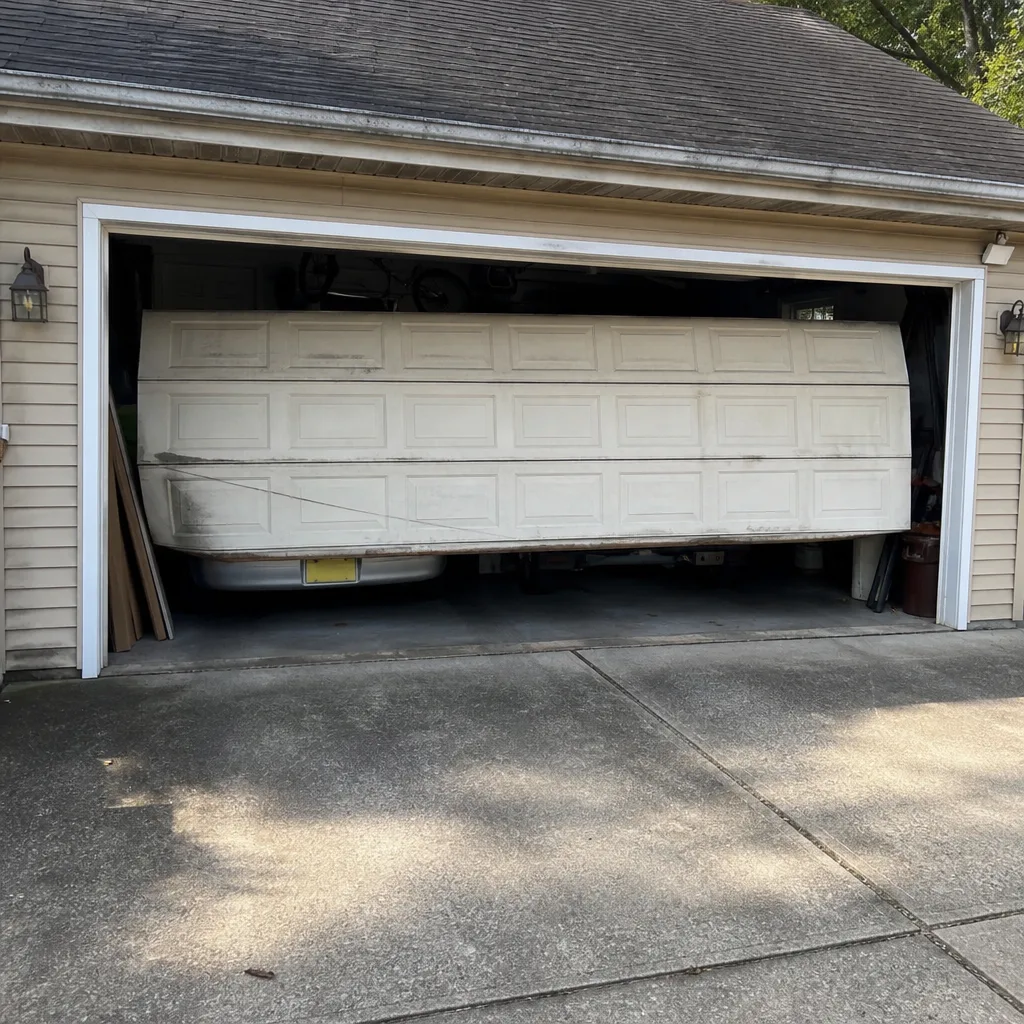 Before
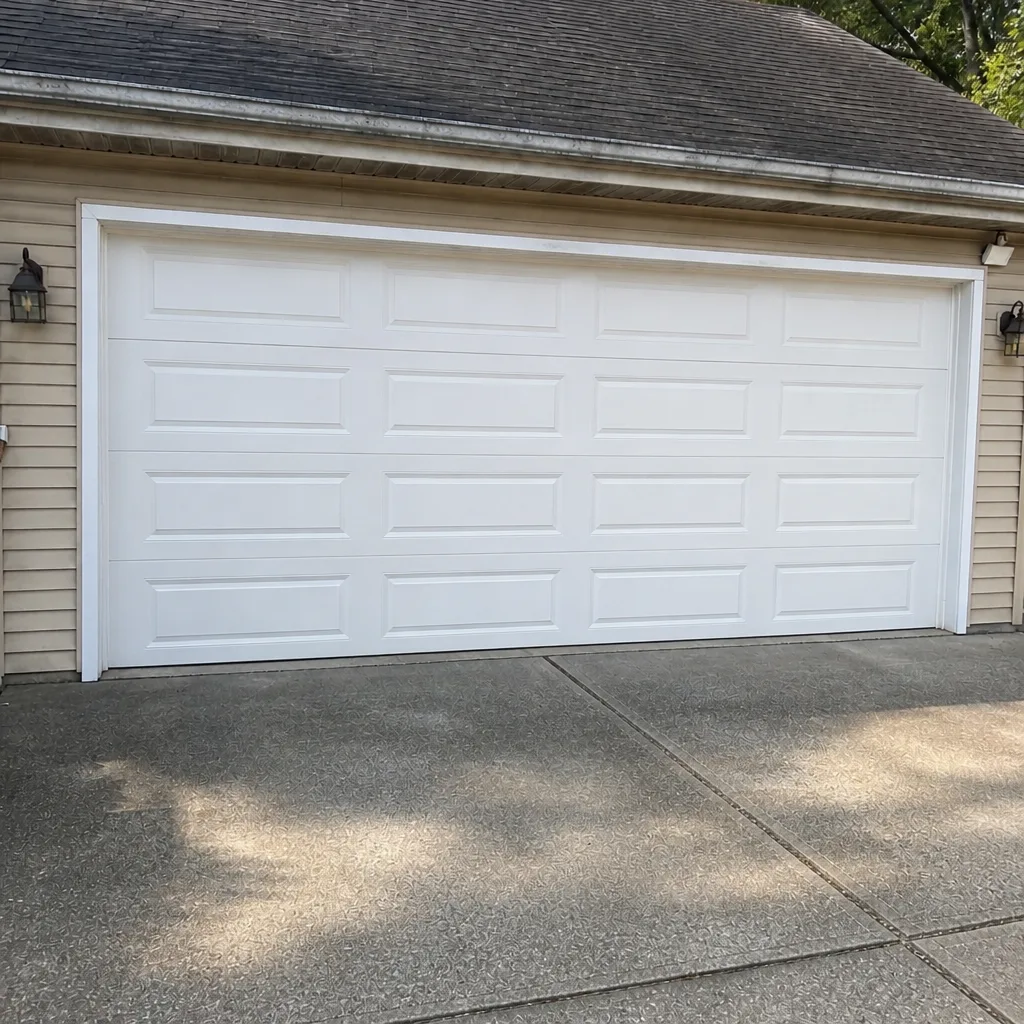 After
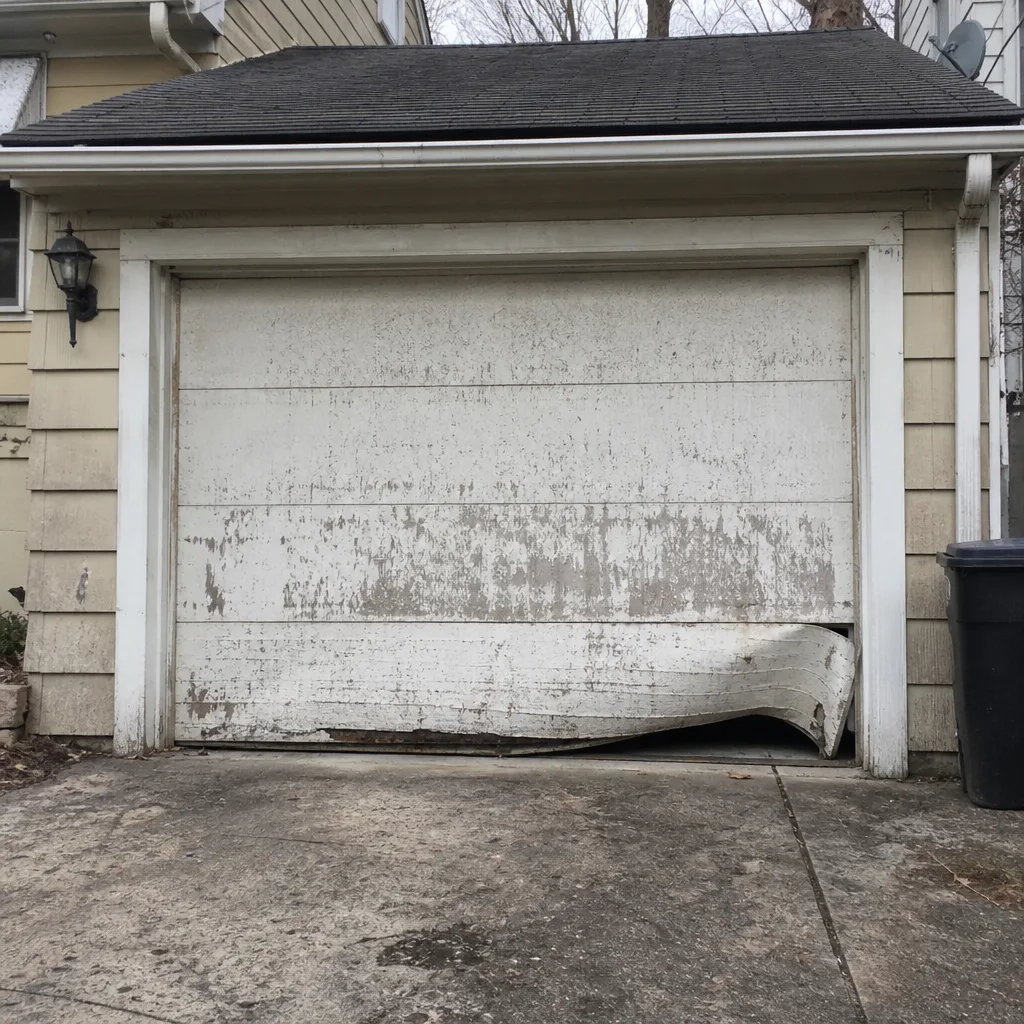 Before
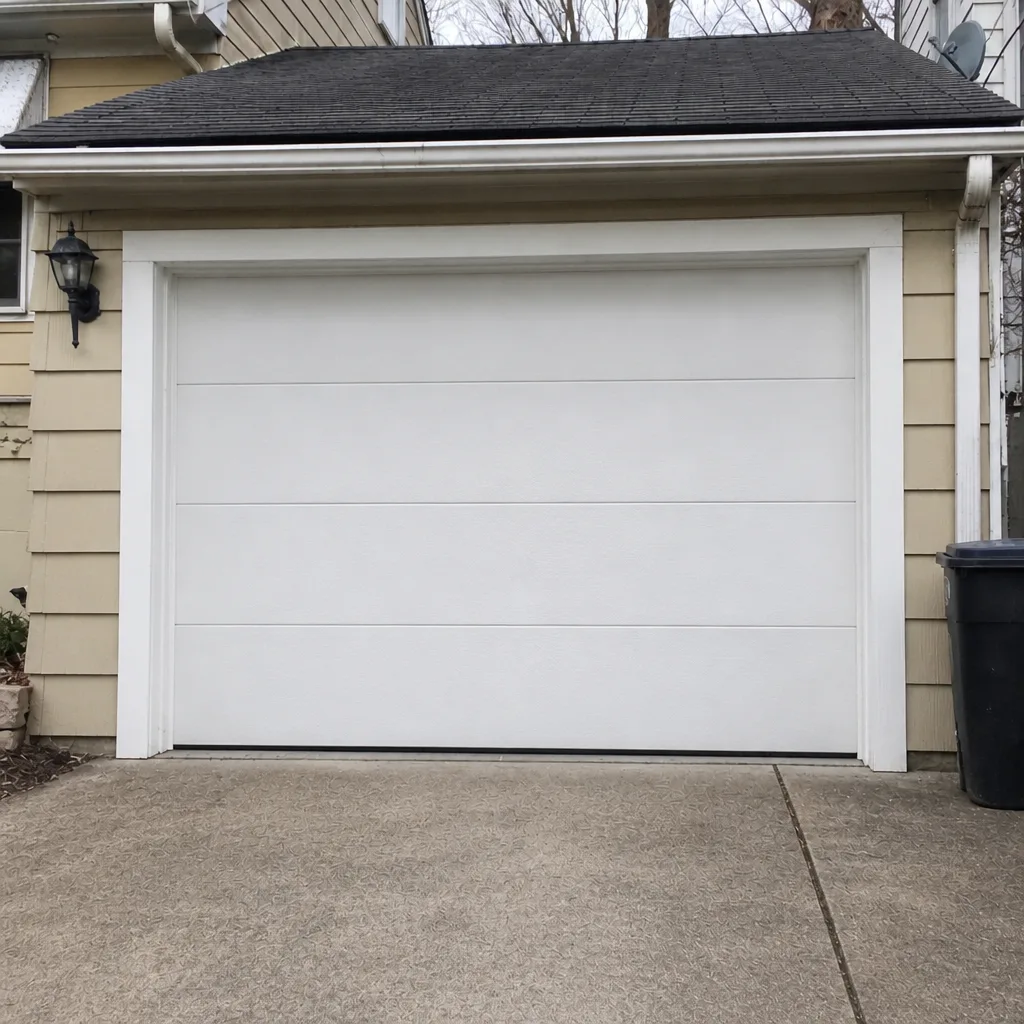 After
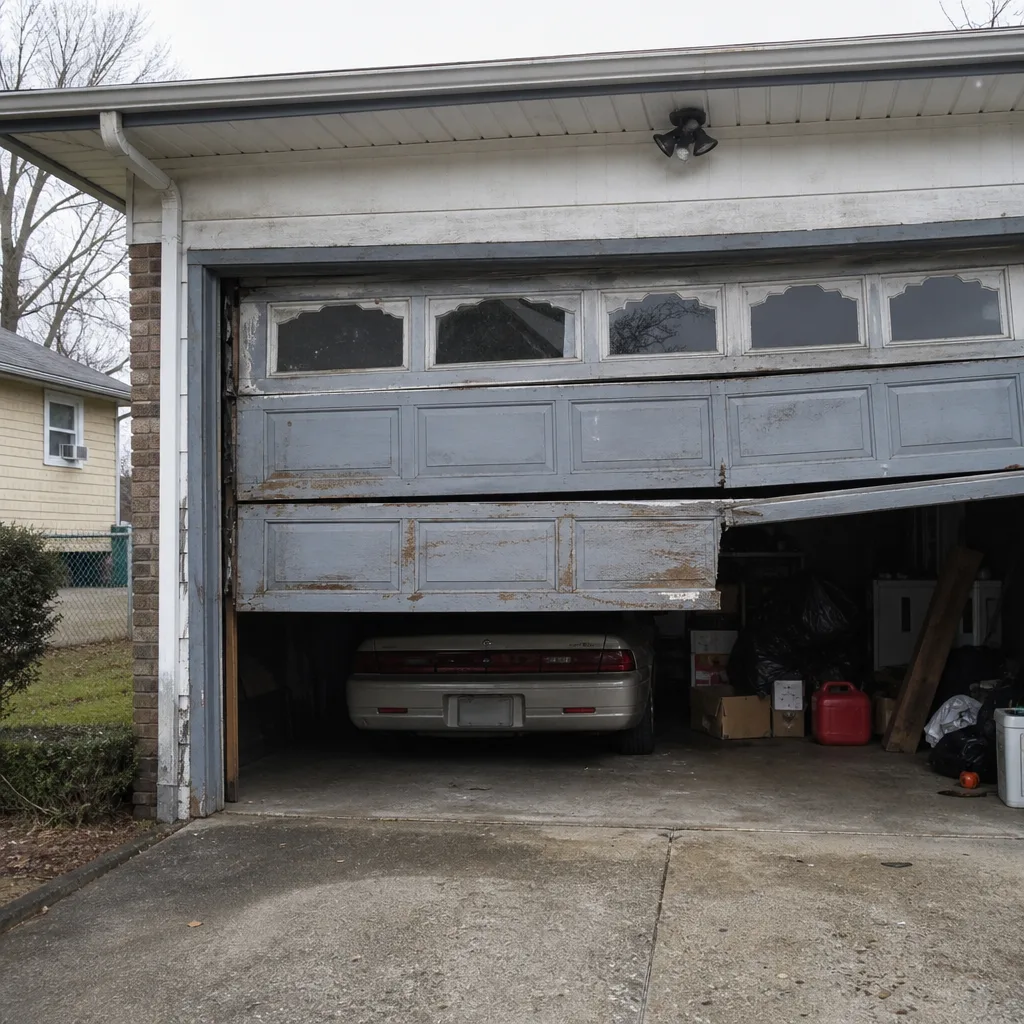 Before
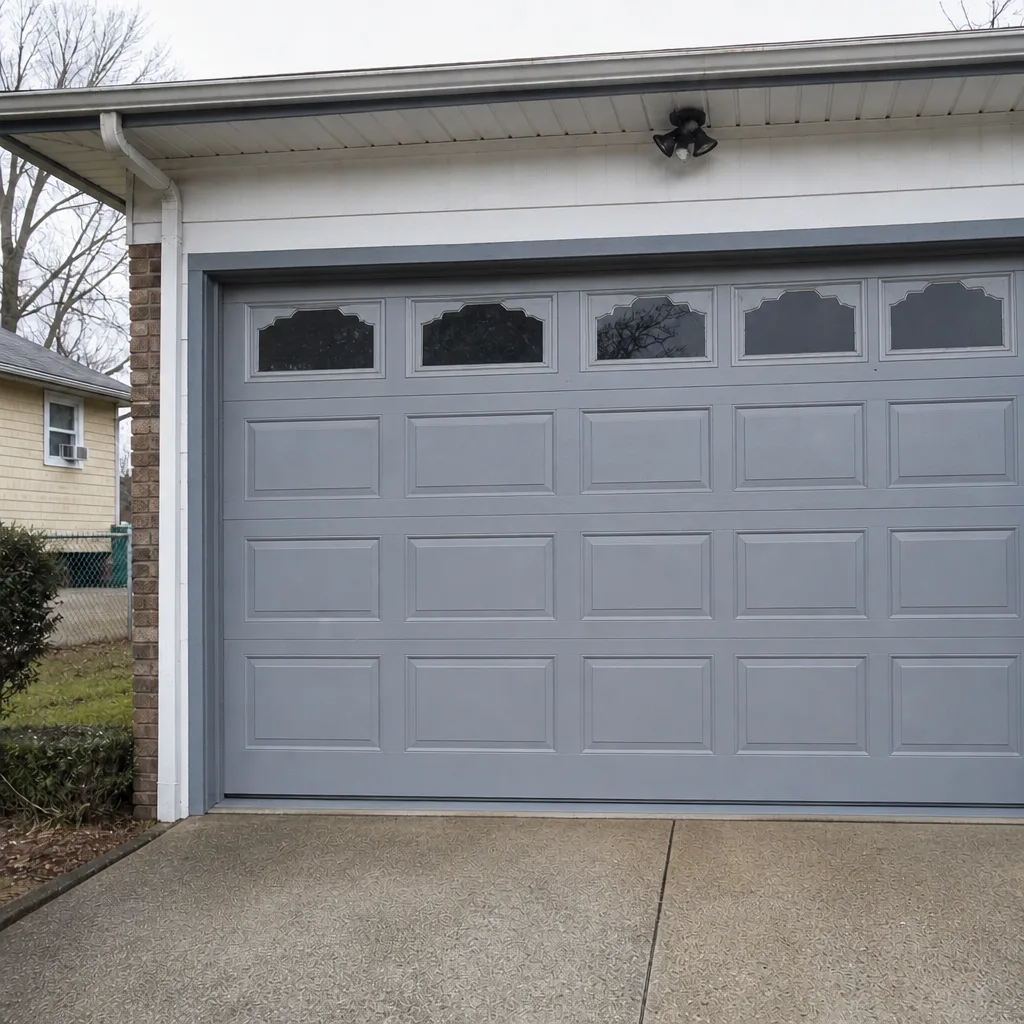 After
When to Call a Professional
Some garage door issues are nuisances; others are genuinely urgent. Call a professional if your door won’t open or close at all, if you’ve heard a loud bang and the door is stuck, if the door is off its tracks, if a cable is frayed or hanging, or if a spring is visibly broken or badly rusted. Any of those is a job for a trained technician – not a ladder and a YouTube video. If your car is locked in or the door is stuck open, that’s an emergency, and it’s what our garage door repair service is built for. Woodbridge Garage Door Repair Pros offers free estimates in Woodbridge Township – call (855) 337-1749. We answer 24/7, with fast dispatch from 7am to 7pm, Sunday through Friday.
Frequently Asked Questions
Spring repair typically runs $180-$340 for a torsion spring and $100-$200 for an extension spring, per spring. Because most doors use a matched pair, replacing both usually costs about twice those figures. The written estimate sets the final price. Call (855) 337-1749 for an exact quote – estimates are free.
It comes down to housing age and spring type. Post-war ranches in Fords often have extension springs that are decades old, while 1990s colonials in Avenel and Colonia have torsion springs that fail differently. Proximity to the Arthur Kill adds moisture that speeds up rust on hardware, especially in Port Reading.
Yes, for most repairs. Spring, cable, roller, and opener repairs are usually handled in a single visit. Door replacement is a measured, ordered, and scheduled job, not same-day work. Call (855) 337-1749 to book a repair.
No – the price is quoted and agreed before any work starts. The on-site diagnosis confirms what’s actually wrong, and you get a written estimate before anyone touches the door. If the estimate changes because the job is different than described, you’ll know before work begins.
Yes. We service equipment from LiftMaster, Chamberlain, Genie, Clopay, Amarr, Wayne Dalton, Craftsman, and Raynor. Mismatched door-and-opener combinations are common in Woodbridge Township, and we diagnose them as they are rather than pushing a replacement.
The local professionals we connect you with are licensed and insured as their state requires. Our technicians have up to 10 years of experience. Ask about credentials when you call if you’d like specifics for your job.
The Bottom Line
There’s no single “standard” garage door in Woodbridge Township, and any guide or technician that treats it that way is going to get the diagnosis wrong. Your home’s era tells you most of what you need to know: Fords ranches lean toward extension springs and low headroom, Avenel and Colonia colonials toward torsion systems, and Port Reading hardware fights more moisture from the Arthur Kill. Spring type drives cost, mismatched doors and openers are the norm rather than the exception, and the written estimate always sets the final price. If you’re not sure what you have, call and describe it – we can usually tell you before we arrive. For a free estimate in Woodbridge Township, reach us at (855) 337-1749, or start with an overview of Woodbridge Garage Door Repair Pros.
Written by the team at Woodbridge Garage Door Repair Pros.