
Last updated November 23, 2026
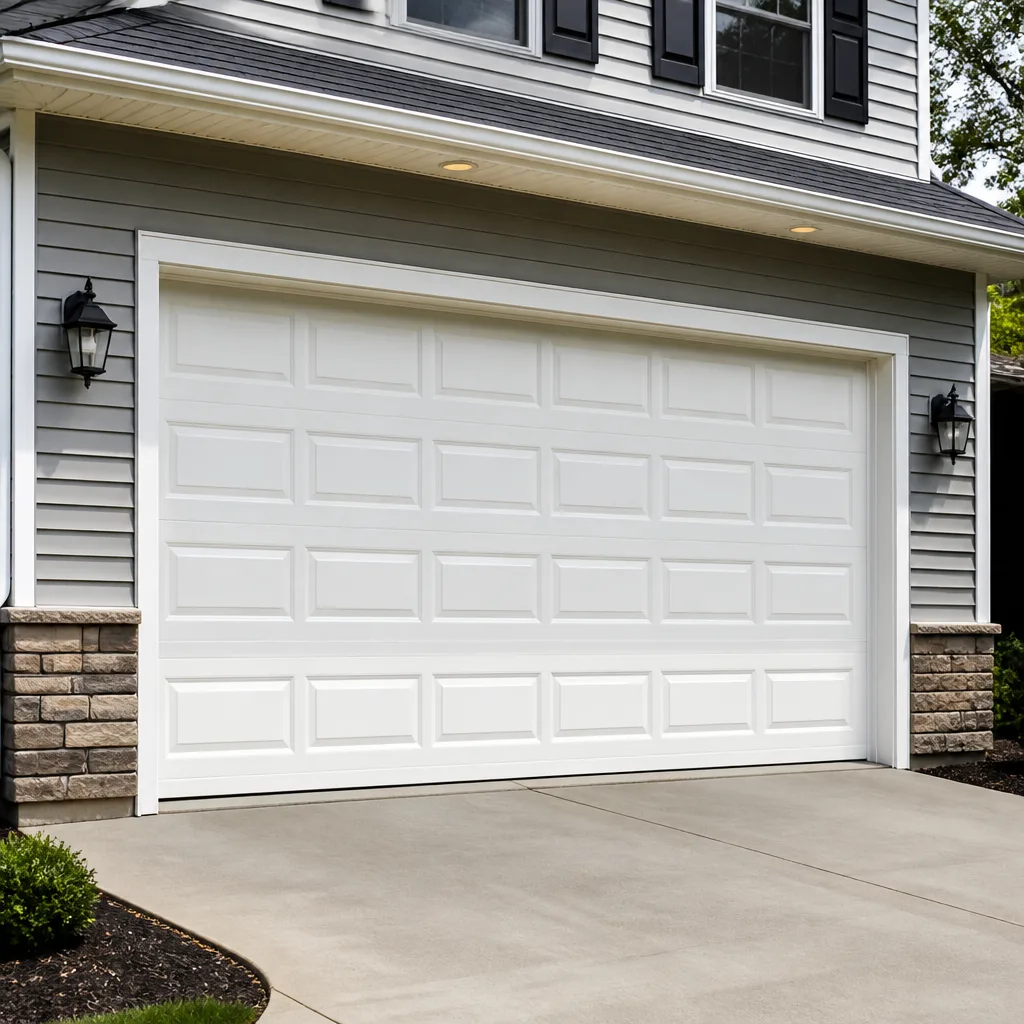 Raised-panel steel
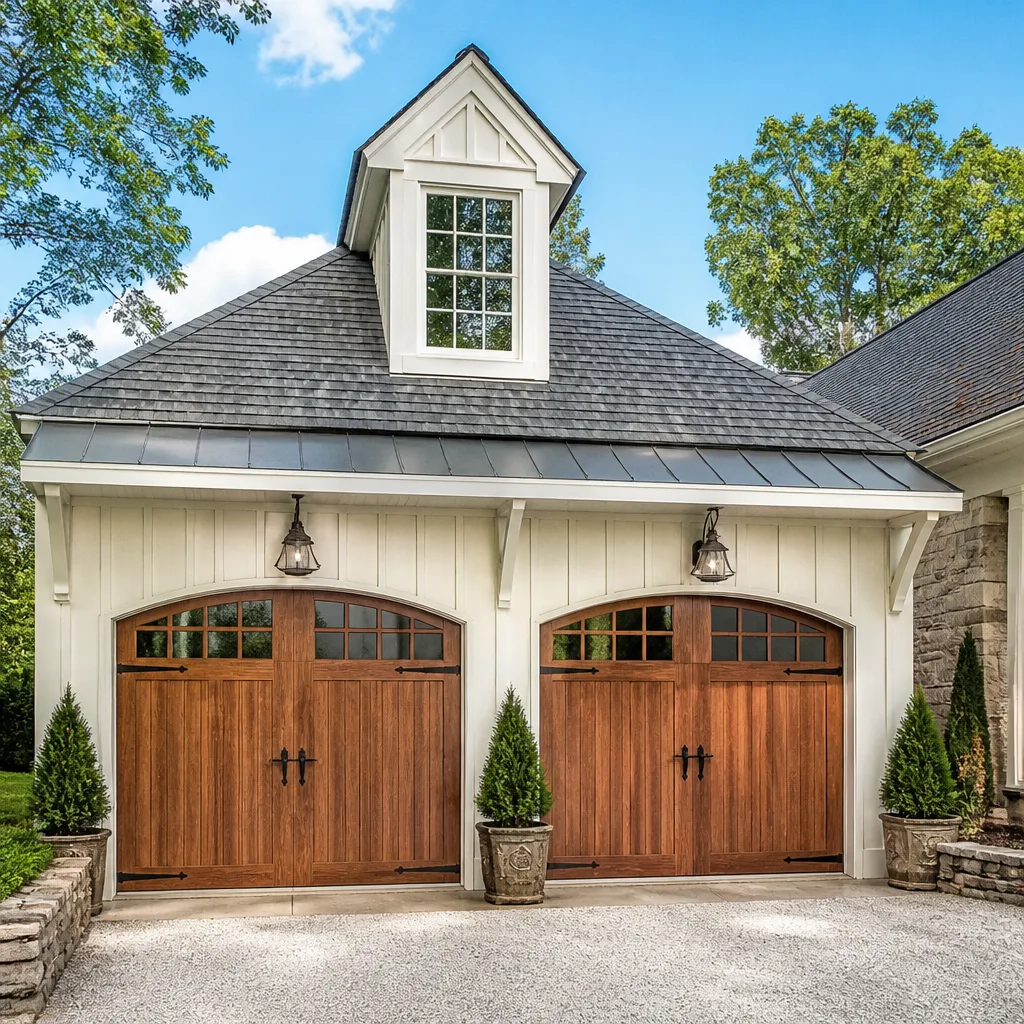 Carriage house
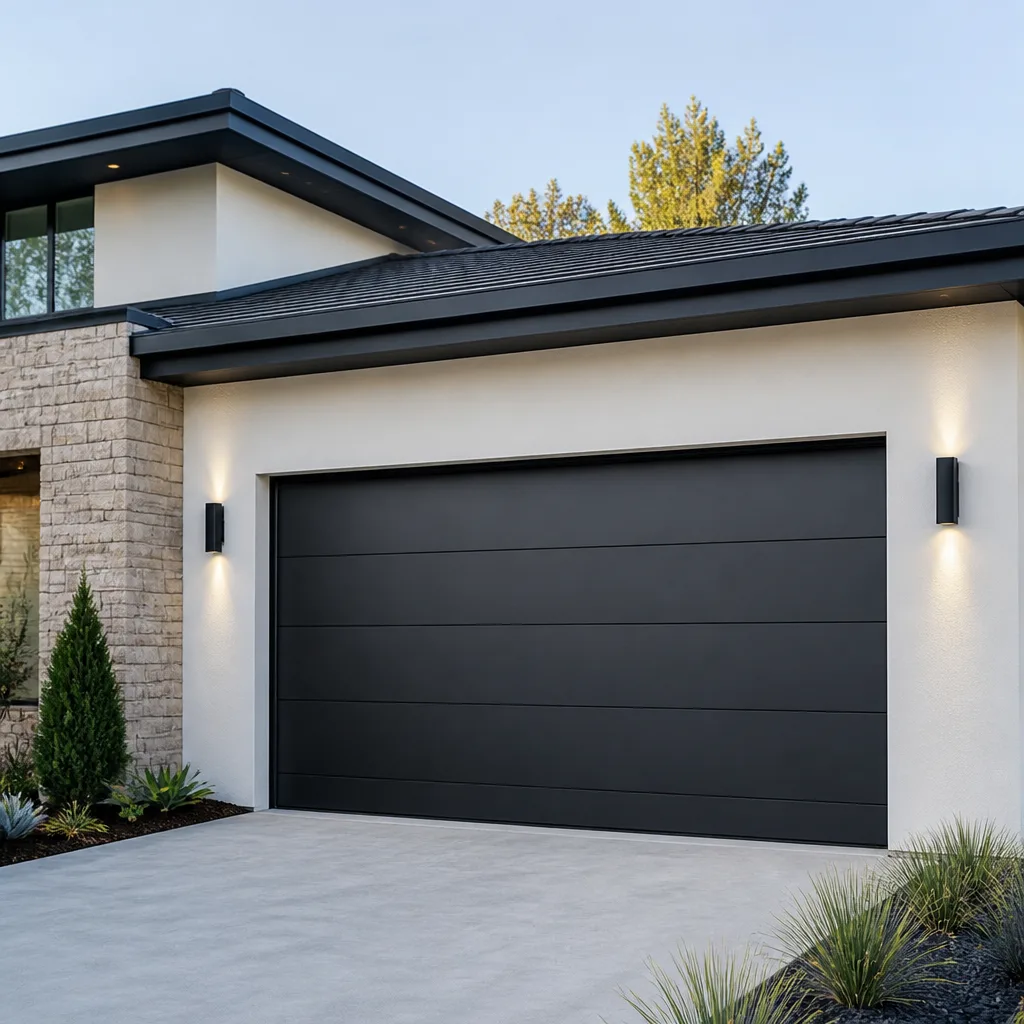 Modern flush
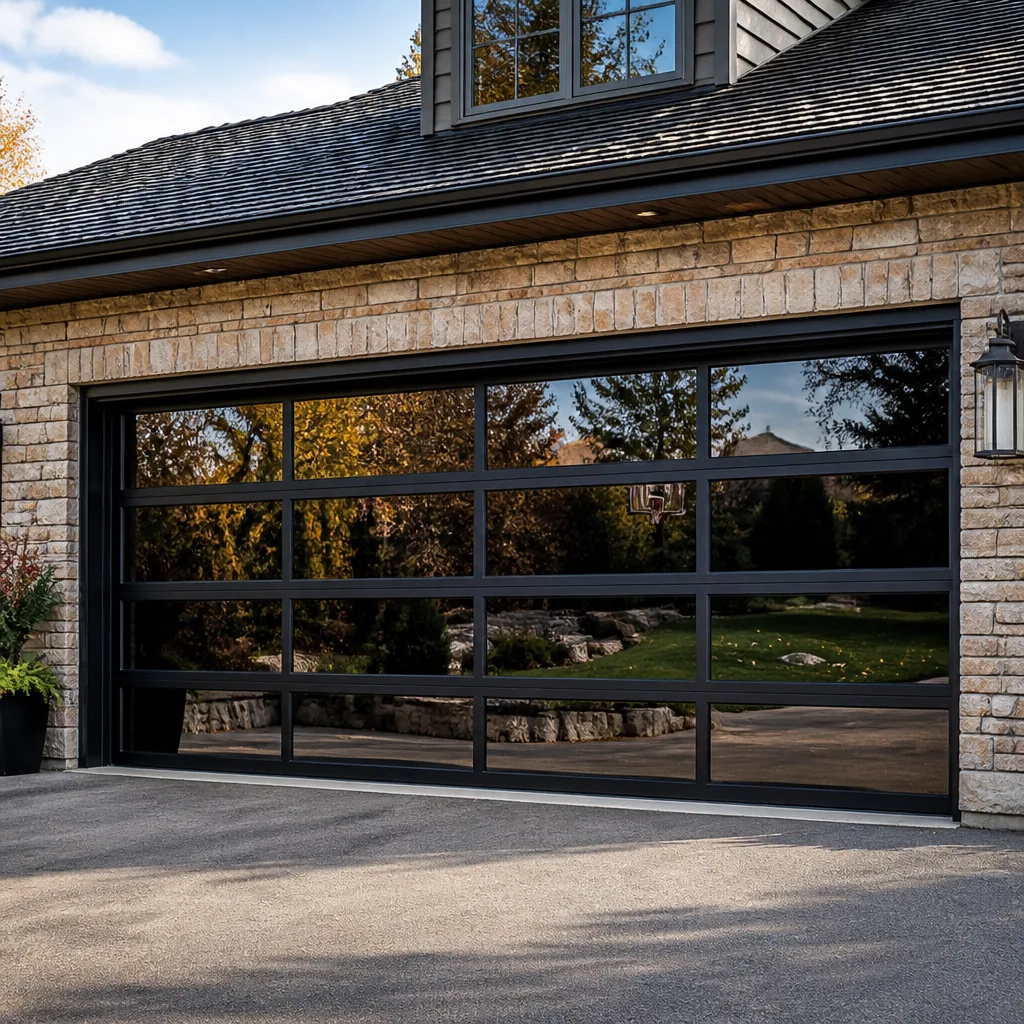 Full-view glass
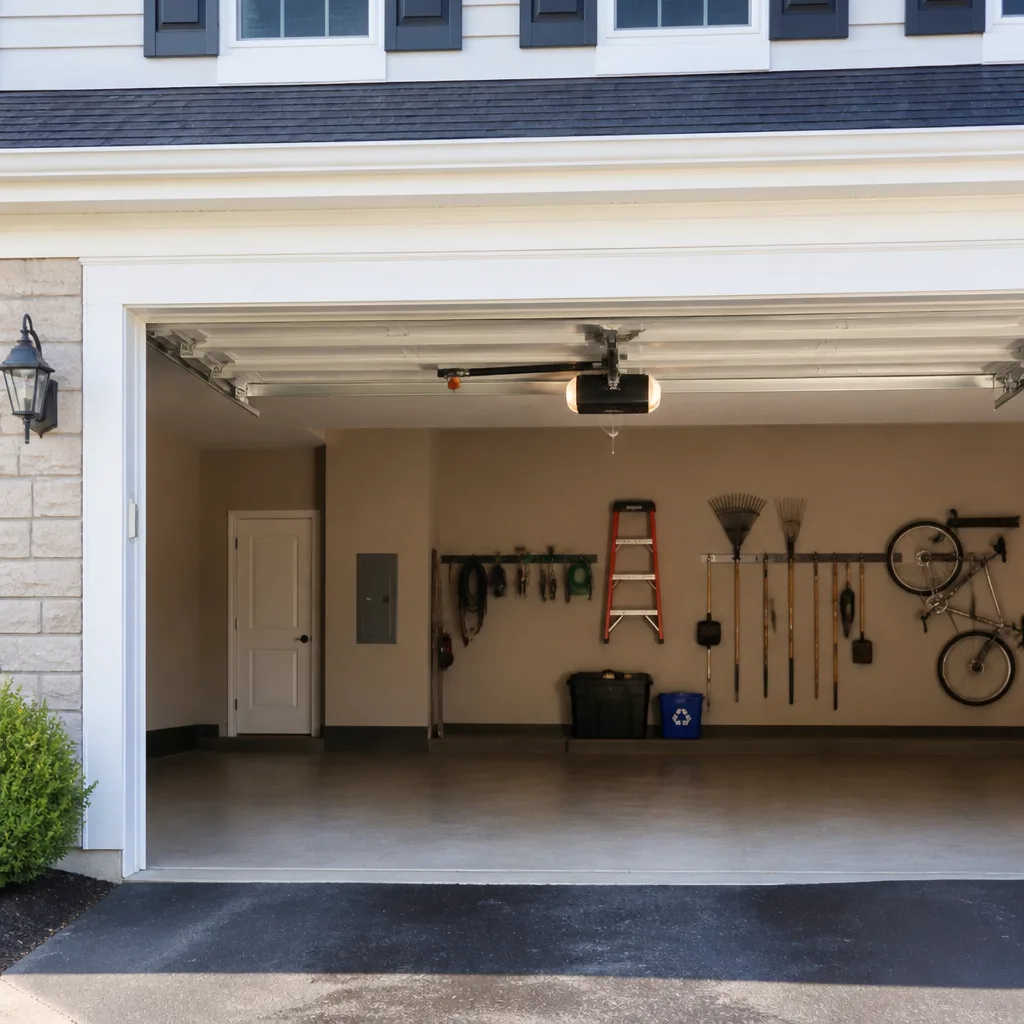 LiftMaster openers
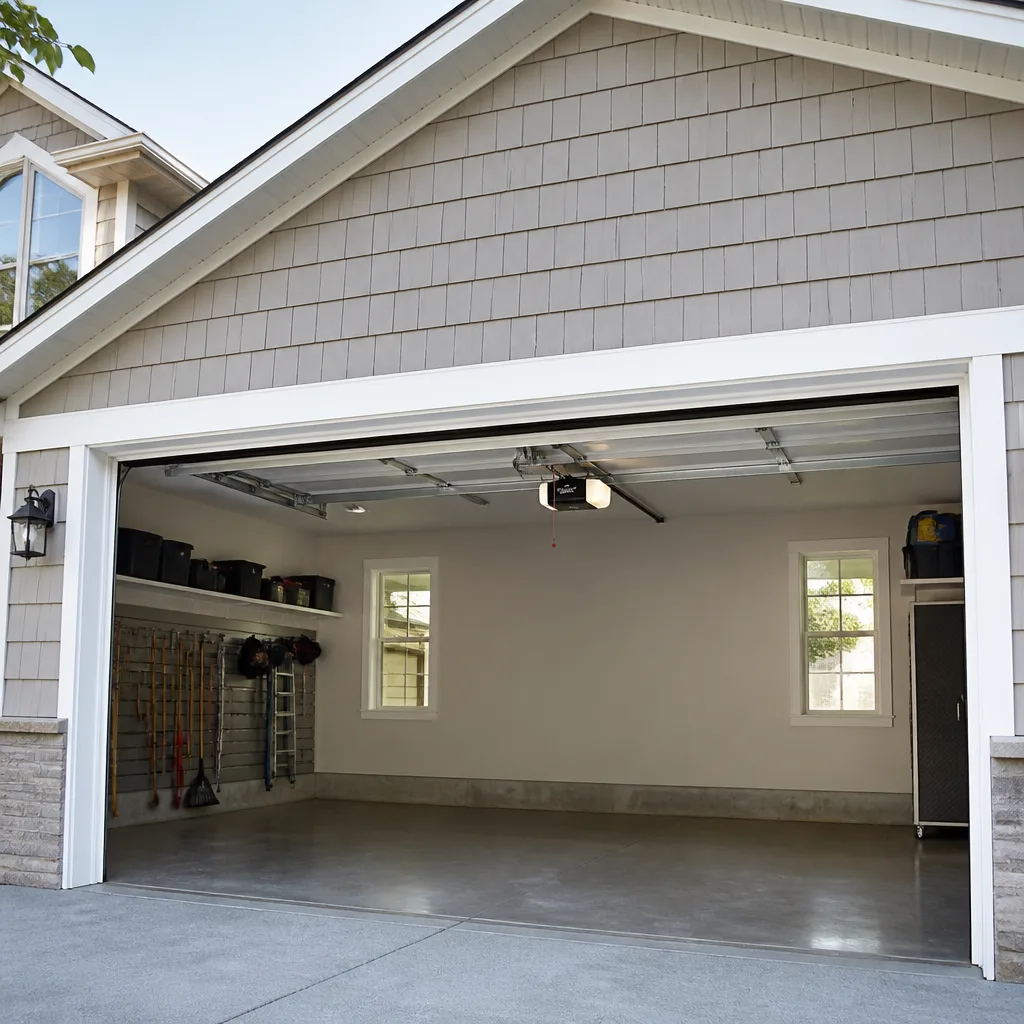 Chamberlain openers
Full 25-point door and opener safety check with every visit - springs, cables, rollers, tracks, and your LiftMaster or Chamberlain opener included
You get a price before we start. It does not change when the pro arrives.
Get your free estimateGarage Door Permits, Codes & Inspections in Woodbridge Township, NJ: What You Need to Know
Here’s the part most homeowners miss: the door isn’t usually the problem. The paperwork is. A replacement door can be hung perfectly, run quietly for years, and still cause trouble at resale because the structural work behind it was never documented. In Woodbridge Township, a garage door project can fall on either side of New Jersey’s Uniform Construction Code depending on what’s actually being changed, and the line between “permit needed” and “no permit needed” isn’t always obvious. This guide walks through the triggers that matter, how the township processes garage-related permits, what “like-for-like” really means, how an unpermitted job surfaces on a home inspection, and the fire-rated door detail that older Woodbridge Township homes often get wrong.
Quick Answer
Replacing a garage door in Woodbridge Township usually does not require a permit when you’re swapping a door of the same size into an existing opening. A permit is typically required when the project changes the opening itself – widening or heightening it, altering the header or framing, or replacing the door with one of a different size – because that’s structural work under New Jersey’s Uniform Construction Code. Anything that touches the fire-rated separation between an attached garage and the living space also falls under code review. When in doubt, the Woodbridge Township building department is the authority, and a quick call settles it before work starts.
Styles & brands we work with
- Raised-panel steel
- Carriage house
- Modern flush
- Full-view glass
- LiftMaster openers
- Chamberlain openers
Table of Contents
- Does a Garage Door Replacement Need a Permit in Woodbridge Township?
- The NJ Uniform Construction Code Triggers Most Homeowners Miss
- The Width-of-Opening Rule and Why It Trips People Up
- How Woodbridge Township Processes Garage Permits
- What “Like-for-Like” Replacement Actually Means
- How an Unpermitted Door Shows Up at Inspection and Resale
- Fire-Rated Doors Between Garage and Living Space
- Common Mistakes to Avoid
Does a Garage Door Replacement Need a Permit in Woodbridge Township?
Sometimes yes, sometimes no – and the deciding factor is almost never the door itself. It’s the opening. Under New Jersey’s Uniform Construction Code, replacing a door with an identical size in an existing, code-compliant opening is generally treated as ordinary maintenance. Change the size of the opening, alter the framing around it, or modify the header, and the work becomes a construction project that needs a permit and inspection.
In our experience working across Woodbridge Township, the confusion comes from contractors who treat every job the same. A shop that only installs new doors will sometimes pull a permit for a simple swap because that’s their routine. A handyman will sometimes skip one on a job that clearly needed it. Neither is doing the homeowner a favor. The right answer depends on what the door sits inside of.
Here’s the practical breakdown:
- Same-size door, same opening, no framing changes: Typically permit-exempt as maintenance.
- Different door width or height: Permit territory, because the opening has to change.
- Header, jamb, or framing modification: Permit required – this is structural.
- New opening cut into a wall that didn’t have one: Permit required, with structural review.
- Fire-rated door between an attached garage and living space, replaced with a non-rated door: Code issue, permit likely required.
- Opener replacement, spring replacement, track adjustment, panel swap: Generally maintenance, no permit needed.
Woodbridge Township has a mix of housing stock – older colonials and capes near the Avenel and Colonia sections, mid-century ranches in Iselin, and newer construction in parts of Fords – and the age of the home changes how often an opening needs modification. A 1950s garage opening sometimes won’t accept a modern door without framing work, which is exactly where the permit question lands. If you’re unsure which side of the line your project falls on, calling the township building department costs nothing and settles it.
The NJ Uniform Construction Code Triggers Most Homeowners Miss
New Jersey’s Uniform Construction Code (often shortened to the UCC) is the state rulebook that governs how construction work is reviewed and inspected. It’s administered locally – so in Woodbridge Township, the township building department handles the review, the permit, and the inspection, but the standards come from the state. That matters, because it means the answer to “do I need a permit?” is the same in Woodbridge Township as it is anywhere else in New Jersey, but the process is local.
The triggers for a garage door project usually come down to four things:
- Any structural change to the opening. Widening, heightening, or moving the opening requires a permit. So does replacing a header, sistering framing, or adding a lintel. Even if the finished look is identical, the work behind the drywall is what triggers review.
- A change in door size or type. Swapping a single-car door for a wider one, adding a door where there wasn’t one, or converting a roll-up to a sectional – all of these typically need a permit because the load path changes.
- Fire-rated separation work. Attached garages are separated from living space by a fire-rated assembly, and pulling that wall open to modify an opening means the rated assembly has to be reviewed.
- Electrical work tied to an opener where new wiring is run. Replacing an opener in existing wiring is usually maintenance. Adding a new circuit, a new outlet, or a disconnect where there wasn’t one is electrical work and often triggers a separate electrical permit.
The most common surprise we see in Woodbridge Township is a homeowner who assumed a full replacement was “just a door.” It’s not, if the opening changed. The second most common is a homeowner who assumed a permit was needed for a standard swap because a contractor told them so. It usually isn’t. Both mistakes cost the homeowner – one in fees and delay, the other in resale headaches down the line. A clear diagnosis before the job starts is the safest place to begin, and it’s the reason we walk through these questions before quoting anything.
The Width-of-Opening Rule and Why It Trips People Up
This is the detail most homeowners have never heard, and it’s the one that matters most. Under the UCC, replacing a garage door of the same dimensions in the same opening is generally treated as maintenance. Replacing a door with a wider or taller one is not – even by an inch. The threshold isn’t a magic number; it’s whether the opening changes. If the opening changes, the door stops being maintenance and becomes construction.
Why does that trip people up? Three reasons:
- The change is often invisible from the street. A homeowner who asks for “a wider door” doesn’t think they’re asking for structural work. The contractor who says yes without a permit may be doing a clean install – but the inspection record will be silent.
- Older homes and modern doors don’t always match. A garage built in the 1950s in Woodbridge Township may have an opening sized for equipment that no longer exists. Getting a modern door in sometimes requires trimming the opening, which counts as a modification.
- Contractors quote “replacement” loosely. A quote for “replacement” can mean a same-size swap or it can mean a rebuild. The two look similar on paper. They’re not the same job under code.
The practical takeaway: if the new door is the same size as the old one and the opening is untouched, you’re typically fine without a permit. If anything about the opening is changing, ask the township. If the contractor suggests changing the opening, ask whether they’re pulling a permit and who is calling for inspection. Multibrand shops that install across Wayne Dalton, Clopay, LiftMaster and other common lines have seen this question from every angle – and a shop that does this work daily should be able to tell you, without hesitation, whether your specific job needs a permit.
One more note: the township has its own review process and its own fee schedule, which the building department can confirm. We don’t invent numbers here, because the actual figures depend on the scope of work and are set by the township. Always confirm scope and fees directly with Woodbridge Township before you sign a contract.
How Woodbridge Township Processes Garage Permits
The Woodbridge Township building department is the office that reviews, issues and inspects construction permits – including garage-related work – for properties inside the township. Permits are administered locally under the state UCC, which means the standards come from New Jersey but the process, timelines, and fees are set by the township. For a garage door project, the process usually follows a fairly predictable path.
- Determine whether a permit is actually needed. The homeowner or the contractor describes the scope to the township. Same-size replacement in an unchanged opening is usually told “no permit required.” Anything involving the opening or fire separation is usually “permit required.”
- Submit the permit application. The application typically asks for the property address, a description of the work, the contractor’s state registration, and often a simple plan or sketch showing the existing and proposed condition. For a garage door swap, that sketch is usually minimal – but it’s required when the opening is changing.
- Wait for review. The township reviews the application. Simple projects move faster; anything touching structure or fire separation gets a closer look. Review time varies with township workload, so plan for the review rather than assuming a next-day permit.
- Receive the permit and start work. The permit is posted and the work is performed to the scope of the approved plan. Any change to the scope is discussed with the township before it happens, not after.
- Call for inspection. The township inspects at the appropriate stage or after completion. For a door swap, the inspection is usually a final inspection of the completed installation. For framing changes, it may be split into a framing inspection and a final.
- Close out the permit. Once the inspection passes, the township closes the permit and the record becomes part of the property’s file at the township. That record is what shows up cleanly when the home is sold.
In our experience, the biggest variable is the scope itself. A same-size replacement usually needs no permit at all. A project that modifies the opening needs a permit and a plan, and time is better spent getting the plan right than rushing the review. Fees are set by the township and depend on the scope of work, so the correct source for a fee estimate is Woodbridge Township itself. If you’d rather not make that call yourself, we can walk you through the scope questions in a free estimate and point you to the right starting point.
What “Like-for-Like” Replacement Actually Means
“Like-for-like” is one of those phrases that sounds precise until you look at the edges. In garage door work, it means replacing a door with one of the same size, in the same opening, in the same function, without touching the structure around it. When all four of those things are true, the job is generally treated as maintenance. When any one of them isn’t, the answer changes.
The gray areas that trip homeowners up:
- Same size, different weight. A door of identical dimensions but much heavier (insulated vs. non-insulated, for example) usually doesn’t require a permit by itself, but the existing springs and tracks may not be sized for it. That’s a safety issue, not a permit issue, but it’s the kind of thing to know before you buy.
- Same size, different material. Swapping a wood door for steel at the same size is usually still like-for-like. The mounting points and framing need to support the new door, which is why the installation has to be done by someone who knows what they’re looking at.
- Same opening, different track or hardware. Replacing the track or the torsion system in the same opening is usually maintenance, not construction – unless the track change requires modifying the wall.
- Same size but the old opening was non-compliant. If the original installation was already out of compliance – short on fire separation, for example, or with a header that wasn’t right – swapping doors doesn’t fix it and may bring the issue into the permit process.
- Same door, new opener with new wiring. Opener replacement in existing wiring is maintenance. Adding a new circuit is electrical work, and it usually needs an electrical permit.
What the township cares about is the construction, not the product. A homeowner who buys a Raynor or Wayne Dalton door of the exact same size and has it installed in the exact same opening is doing maintenance. A homeowner who asks the installer to trim the opening for a taller door is doing construction. Same door, same manufacturer, completely different category.
If you’re not sure which side of the line your project sits on, a dealer or installer who works with multiple brands can usually tell you in a five-minute conversation. A shop that only pushes one brand won’t always have that conversation, because the answer might not point to the product they’re selling.
How an Unpermitted Door Shows Up at Inspection and Resale
An unpermitted garage door replacement doesn’t usually cause a problem when the door is installed. The door works. The opener runs. Life goes on. The problem shows up years later, when the house is sold and a home inspector or a closing attorney starts asking whether the work was permitted – and the township’s file comes up empty.
What actually happens during the sale:
- The home inspector documents what they see. A replacement door of different size than the opening, a modified header, or a door that was clearly installed recently without a visible permit sticker all get noted. Inspectors don’t call out the permit status themselves – they call out the indicators.
- The buyer’s attorney or the buyer’s lender asks about recent improvements. A garage door that looks newer than the home is a natural question. If there’s no permit record and the work involved construction, the question turns into a closing condition.
- The township file is checked. If the permit was never pulled, the file shows the original construction and nothing newer. That’s when the problem surfaces.
- Remediation becomes part of the transaction. The homeowner or the buyer has to file a retroactive permit, have the work inspected, and correct anything that isn’t code-compliant. That process is a schedule risk at best. At worst, it’s a price negotiation.
The door doesn’t have to be wrong for any of this. It can be correct – well-installed, working beautifully, sold by a reputable manufacturer – and the paperwork can still be the reason a sale slows down. In our experience, the fix is always cheaper before the sale than after. A homeowner who gets the permit question answered at the front end and has the work done in the right category avoids all of this.
For homeowners replacing a door and unsure what the township will want to see, the simplest approach is the same one that saves the most time later: call the township before the door is ordered. If the door size or the opening is changing, plan for the permit and the inspection. If it isn’t, you’ve spent five minutes confirming you’re on the right side of the line.
Fire-Rated Doors Between Garage and Living Space
This is the code element that gets overlooked most often when a garage door is replaced in an older Woodbridge Township home. An attached garage is required to be separated from the living space by a fire-rated assembly – typically a wall, a door, and often a ceiling assembly between the garage and the room above. The door between the garage and the house is part of that assembly, and it has to meet the rating for that separation. When a homeowner replaces that door, the rated assembly has to stay intact.
The scenarios where this matters in Woodbridge Township:
- Replacing the entry door from the garage into the house with a non-rated door. A standard interior door won’t meet the rating. The replacement has to be a rated door for the assembly to remain compliant.
- Replacing the overhead garage door at the same time as the entry door. Two doors, two categories. The overhead door is the vehicle door; the entry door is part of the fire separation. They’re not the same job.
- Older homes where the original assembly was never rated. A garage added onto a home decades ago may not have ever had the rated separation. A new door alone doesn’t fix that.
- Homes where the entry door has been modified. Adding a pet door, a mail slot, or a glass panel to the garage entry door typically compromises the rating. A rated replacement is the right fix.
The practical answer is that any change to the door between the garage and the living space belongs in the permit conversation. The township can tell you what the assembly requires for your specific home, and the code inspector can confirm it during inspection. A garage door company that works on the overhead door can’t answer the fire separation question – that’s a building review, not a door swap. What we can do is point out the entry door when we’re on site for a related job and flag it as something to check with the township.
If you’re replacing both doors at once, ordering a rated entry door at the same time as the overhead door is often simpler than doing it as two separate projects. Get the permit right for the whole scope, install both, and pass a single inspection.
Common Mistakes to Avoid
- Assuming every garage door replacement needs a permit. It doesn’t. A same-size swap in an unchanged opening is usually maintenance. Pulling a permit for a job that doesn’t need one adds cost and delay without improving anything – and it sometimes signals to a buyer that something structural was done when it wasn’t.
- Assuming no garage door replacement needs a permit. The opposite mistake is more expensive. Anything that changes the opening, the size, or the fire separation is construction, and skipping the permit creates a resale problem that costs more to fix later than the permit would have cost up front.
- Letting a contractor decide without confirming the scope. Some contractors pull permits as a matter of routine, others skip them. The right call depends on the scope of your specific job, not the contractor’s habit. Ask the contractor to describe the scope in writing and confirm the permit answer with the township.
- Replacing the garage entry door with a non-rated interior door. The garage entry door is part of the fire separation between the garage and the living space. A standard interior door doesn’t meet the rating, and the inspection will flag it.
- Buying a door before checking the opening. A door that looks right on the website may not fit the opening once the installer arrives. On older homes in Woodbridge Township, the opening is often a few inches different from what the door manufacturer assumes. Measure first and confirm fit before ordering.
- Leaving the opener circuit off the permit. If new electrical wiring is run for a new opener, that’s electrical work and often needs an electrical permit even when the garage door itself doesn’t. Skipping it shows up in the same resale conversation.
- Treating the closing inspection as someone else’s problem. When the home inspector notes a newer garage door with no permit record, the buyer’s attorney will raise it. Getting the permit question settled while the door is being installed is always cheaper than correcting it later under time pressure.
See the difference
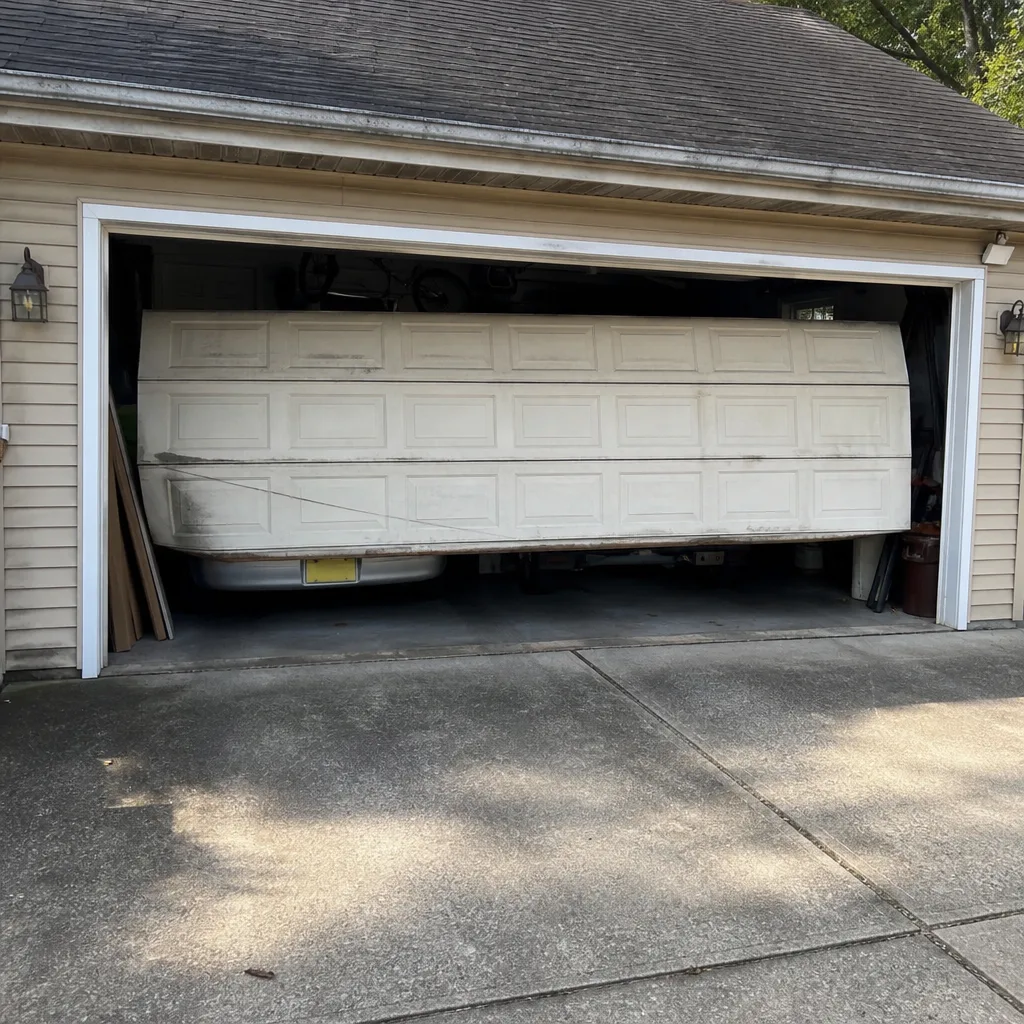 Before
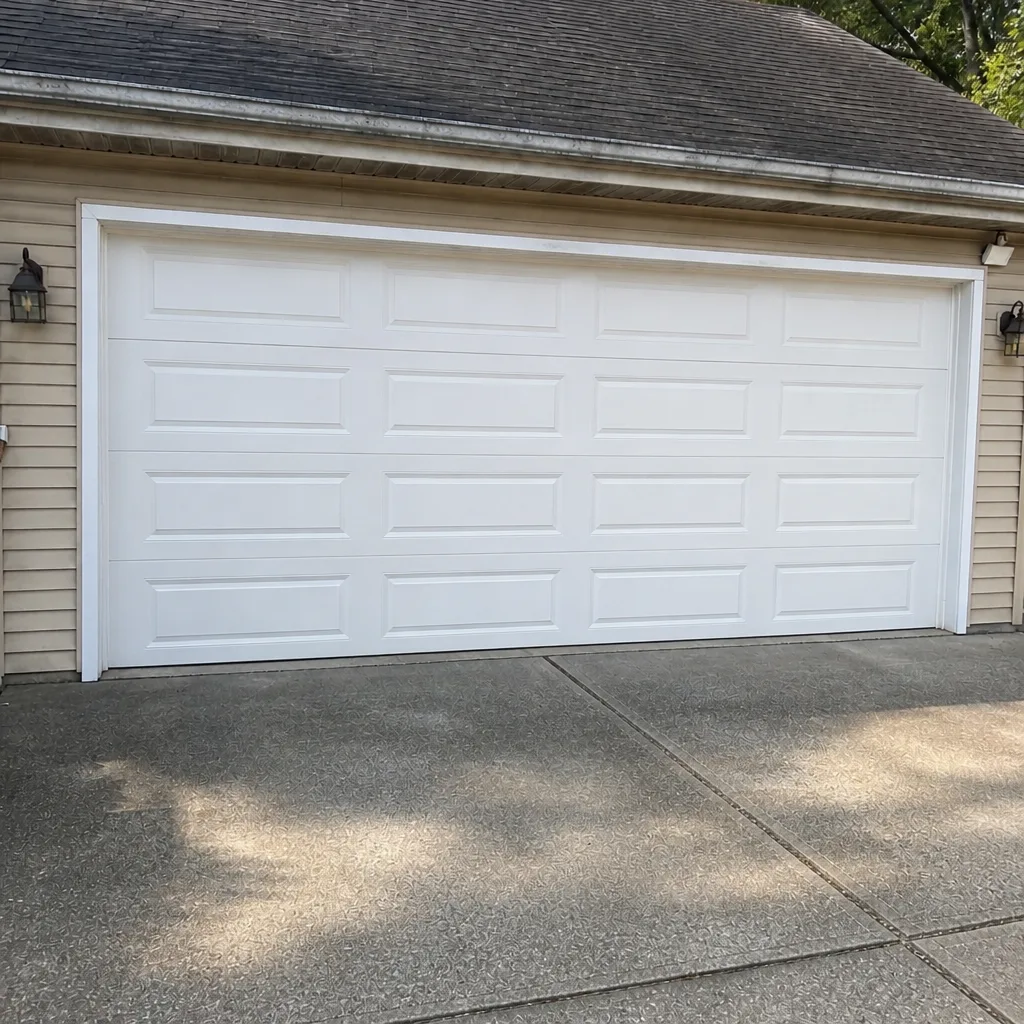 After
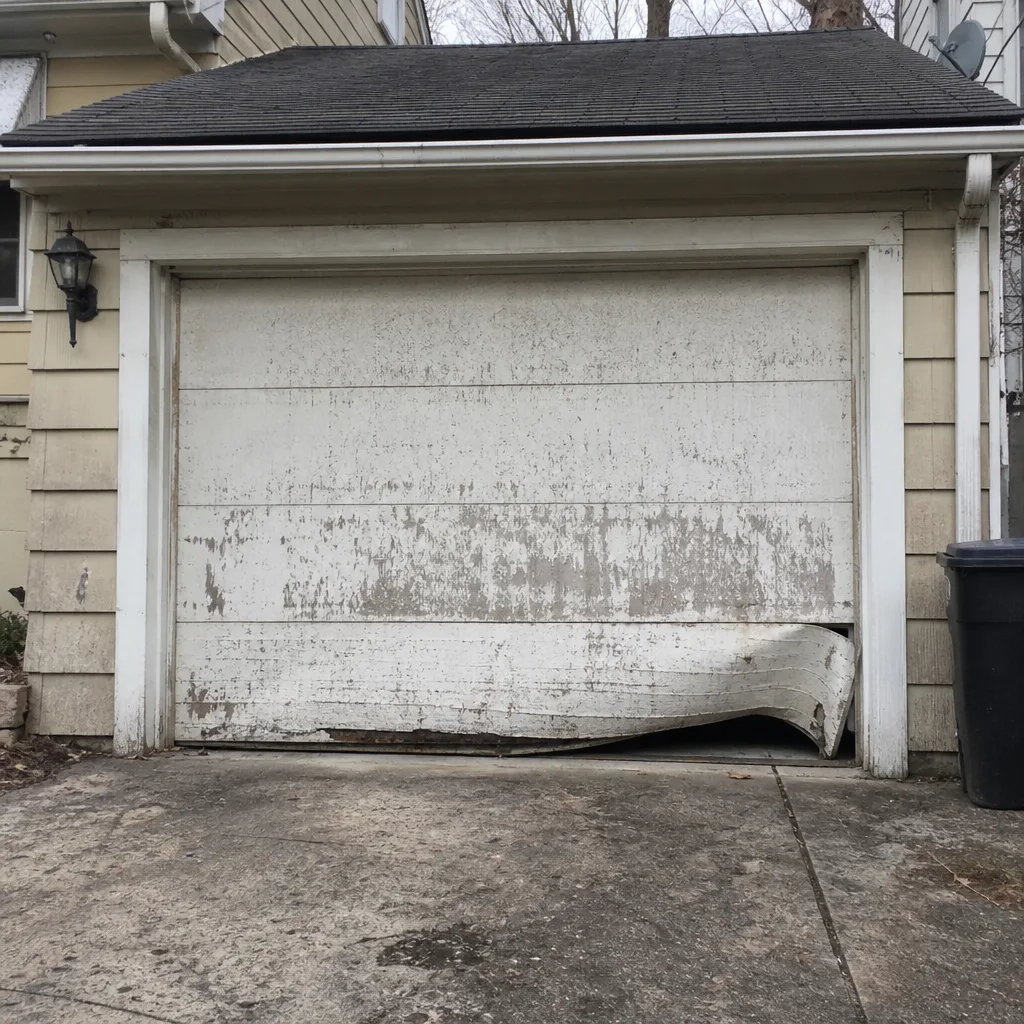 Before
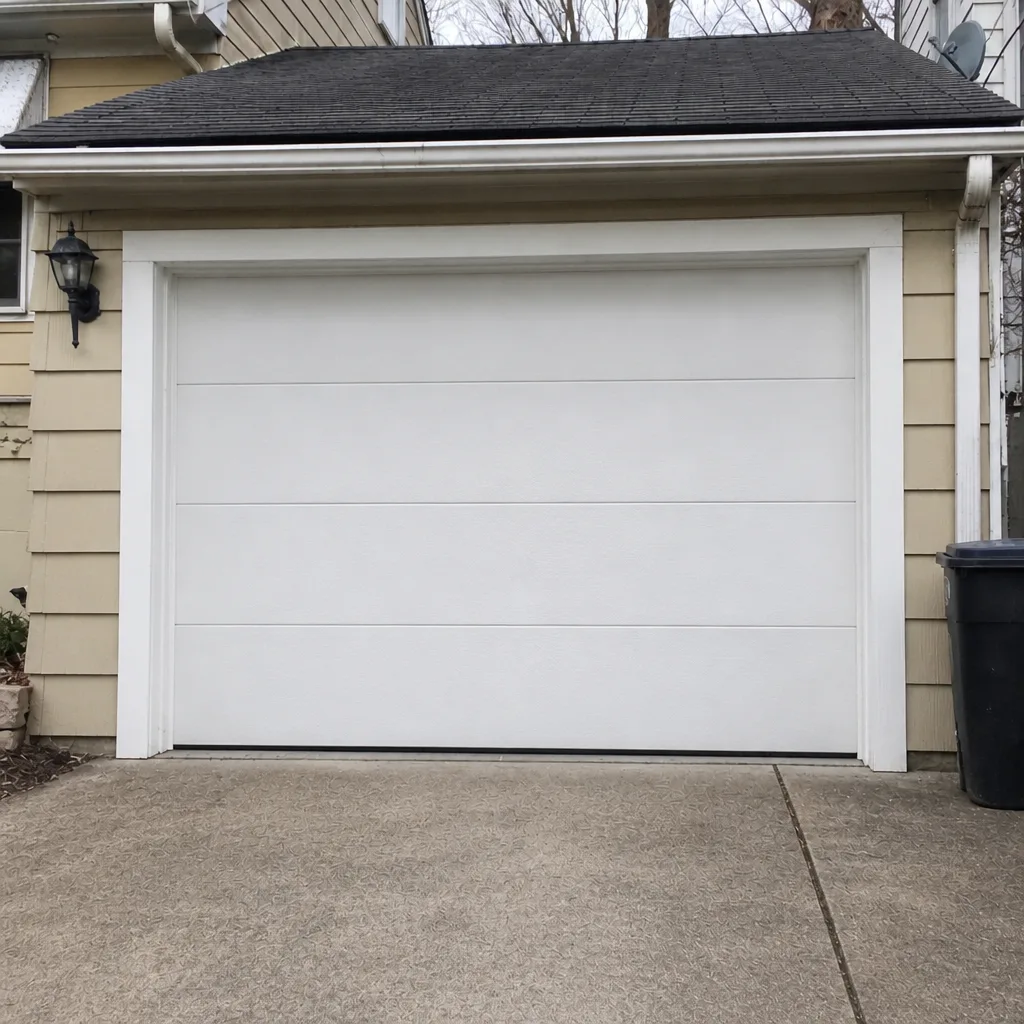 After
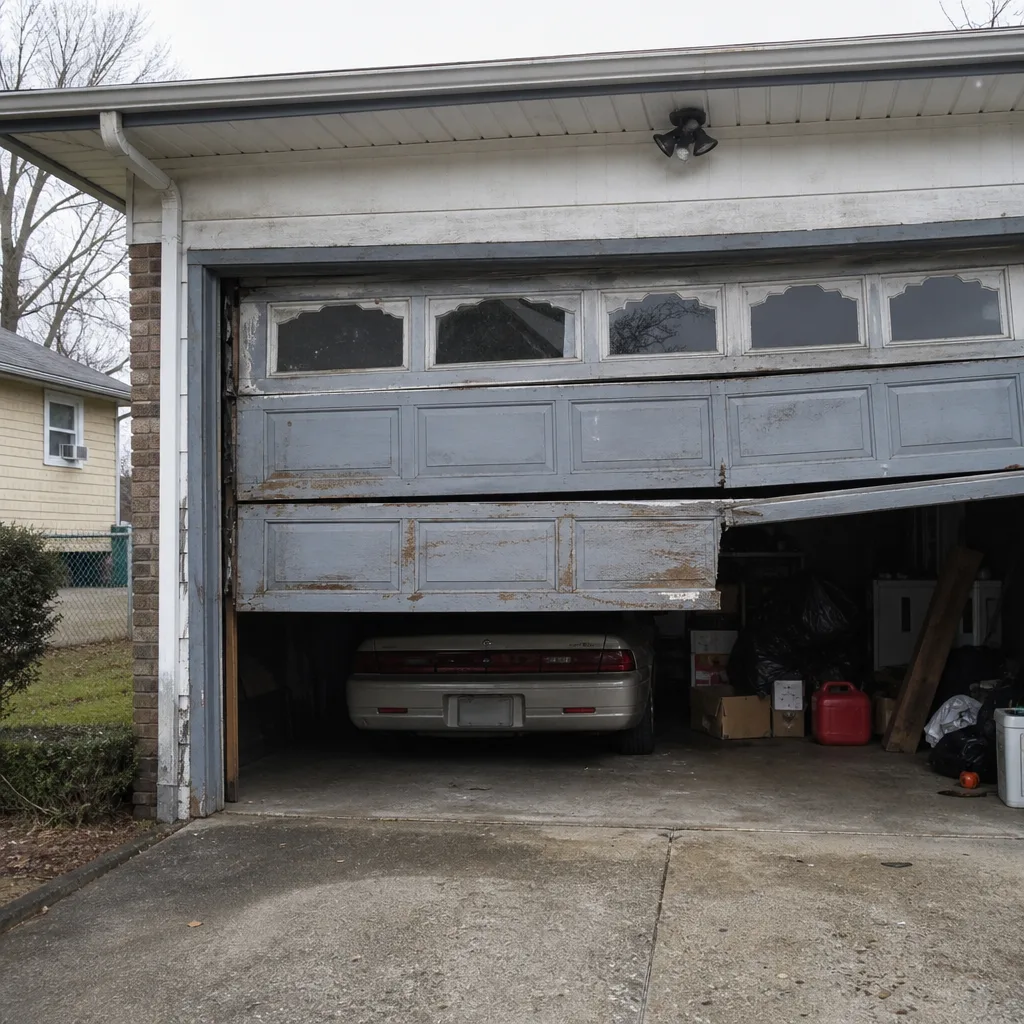 Before
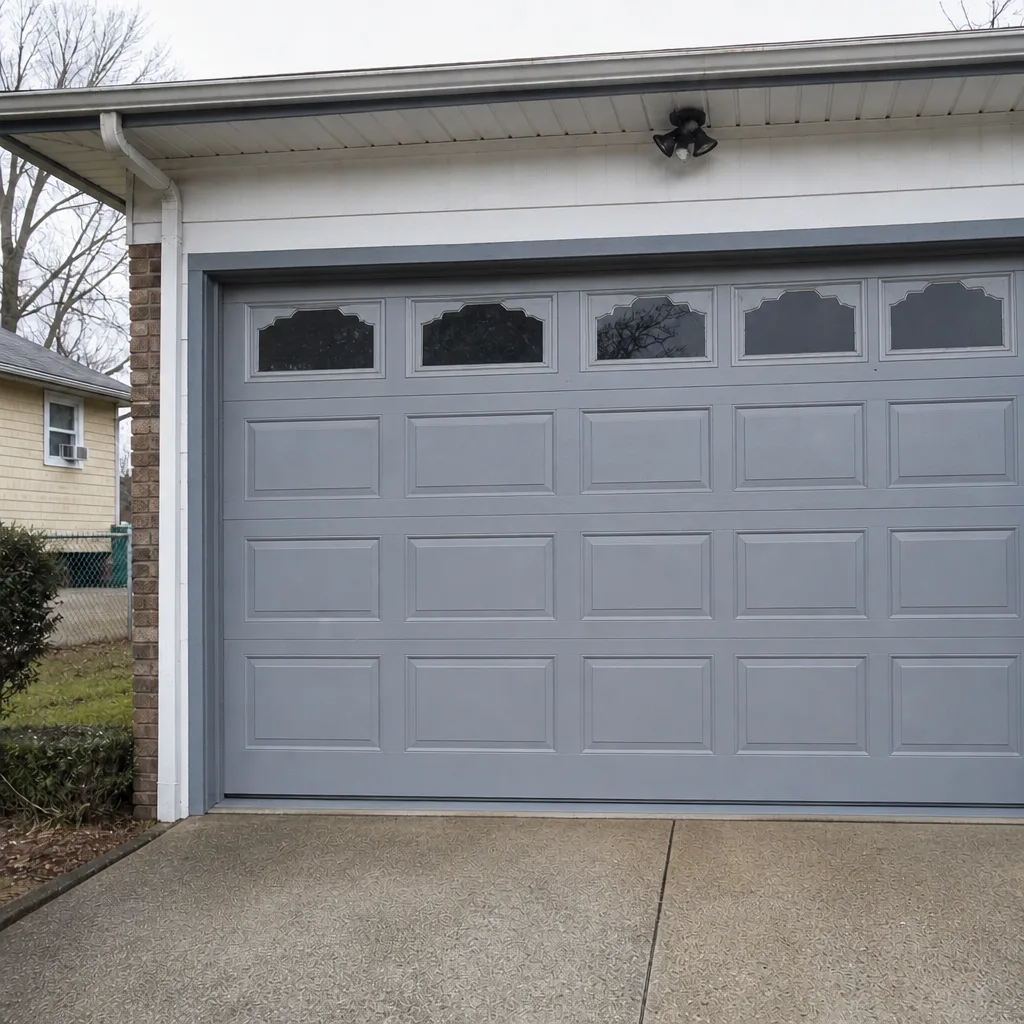 After
When to Call a Professional
Some garage door questions are best answered by the township – permit scope, fee schedules, and inspection timing. Others are best answered by a technician who works on doors every day. If you’re unsure whether your project is a same-size swap or an opening change, if you’re replacing both the overhead door and the entry door between the garage and the living space, if the opener needs new wiring, or if a door on the home has failed and you need same-day help, that’s when to call. Spring and torsion work in particular belongs to a trained professional, and we treat it that way. Our technicians have up to 10 years of experience and work on the brand you already own, whether that’s LiftMaster, Chamberlain, Genie, Craftsman or any of the other common lines.
Woodbridge Garage Door Repair Pros offers free estimates in Woodbridge Township. Call (855) 337-1749. We answer 24/7. Fast dispatch from 7am to 7pm, Sunday through Friday.
Frequently Asked Questions
Usually not, if the replacement is the same size in the same opening with no structural changes. A permit is typically required when the opening, header, framing, or fire separation between the garage and the living space is being modified. Confirm the specific scope with the Woodbridge Township building department before work starts. Call (855) 337-1749 for an exact quote on the installation itself – estimates are free.
It’s not a fixed number – it’s a category. Under New Jersey’s Uniform Construction Code, a door replacement of the same dimensions in the same opening is generally treated as maintenance. Changing the dimensions of the opening, even by a small amount, moves the work into construction that requires a permit. The correct source for your specific opening is the township, and a shop that installs across multiple brands can confirm what fits without modification. Call (855) 337-1749 to talk through fit and permit categories.
Timelines vary with the scope of the work and the township’s current review load, so plan for the review rather than assuming a next-day permit. Simple door replacements generally move faster than projects involving framing changes. The Woodbridge Township building department is the correct source for a current timeline and fee. Call (855) 337-1749 for a free estimate while you wait on the permit question.
It can. When the home is sold, an inspector or a buyer’s attorney may ask about newer garage work, and if the township file has no permit record for construction that involved the opening, the closing can slow down while the permit is retroactively filed and the work is inspected. The door itself may be fine – it’s the record that causes the problem. Call (855) 337-1749 to get the installation right the first time.
Often yes. The door between the garage and the living space is part of the fire-rated separation required between an attached garage and the home, and a replacement has to keep that separation intact. A standard interior door typically does not meet the rating. Confirm the requirement with Woodbridge Township before you order. If a new overhead door is part of the same project, call (855) 337-1749 for a free estimate on the door work.
Yes, if the door fits your opening without structural changes. We install across eight common garage door and opener brands – Wayne Dalton, Clopay, Amarr, Raynor, LiftMaster, Chamberlain, Genie and Craftsman – so the door you bought is likely one we already work with. If the opening needs modification, we’ll flag it before the installation so the permit question gets answered first. Call (855) 337-1749 for a free measure and a written price before you buy.
The Bottom Line
Garage door permitting in Woodbridge Township comes down to one question: is the opening changing? Same-size replacement in an unchanged opening is usually maintenance, and no permit is needed. Any change to the opening, its framing, or the fire separation between the garage and the living space is construction, and it belongs in the permit process at the Woodbridge Township building department. Get the scope right before the door is ordered, keep the fire-rated entry door in the conversation when both doors are being replaced, and confirm the scope in writing with your contractor. That’s what protects you at the township counter today and at the closing table years from now.
Woodbridge Garage Door Repair Pros handles repair, garage door repair, garage door opener repair, garage door spring repair, new door installation, and emergency garage door service across Woodbridge Township. Whether you’re sorting out a permit question before a replacement, dealing with a door that won’t close, or weighing repair against a full installation, our team is here to answer plainly. Call (855) 337-1749 for a free estimate. We answer 24/7. Fast dispatch from 7am to 7pm, Sunday through Friday.
Written by the team at Woodbridge Garage Door Repair Pros.