
Last updated November 23, 2026
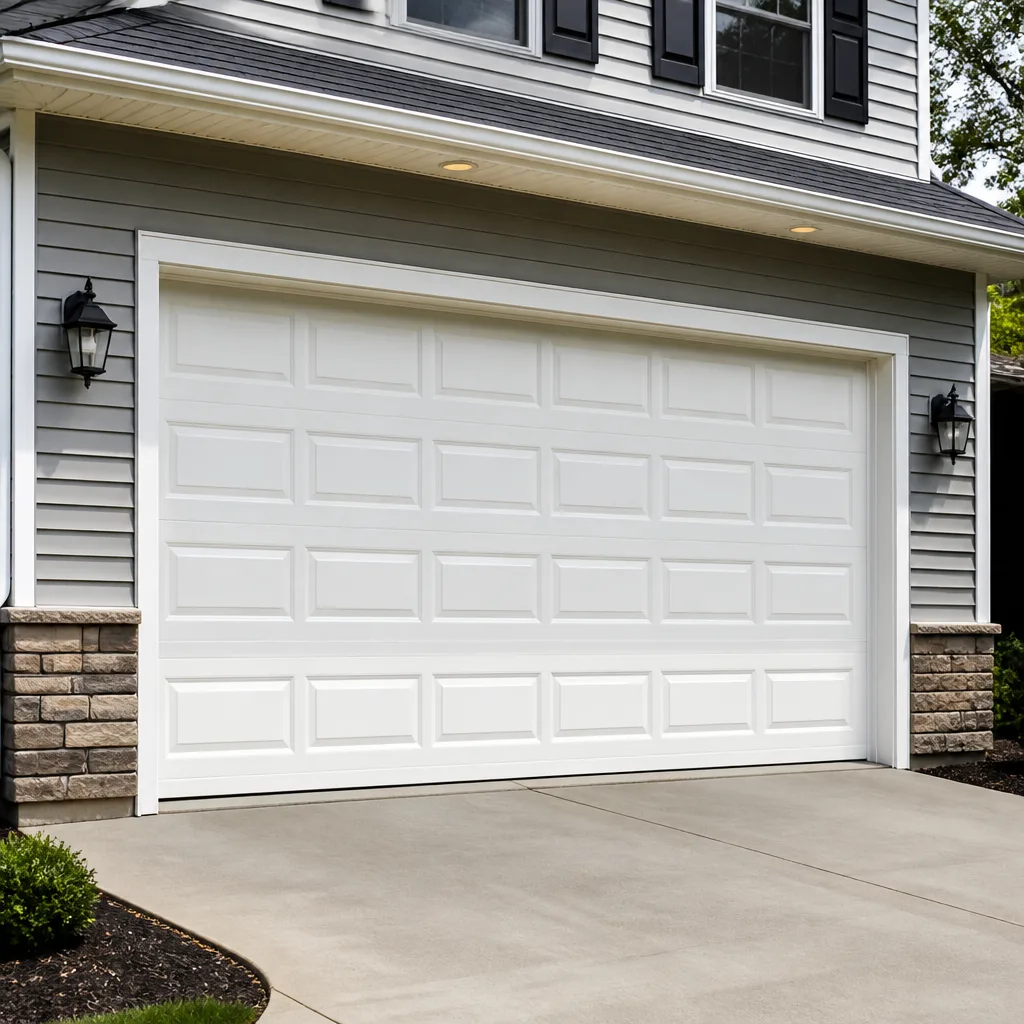 Raised-panel steel
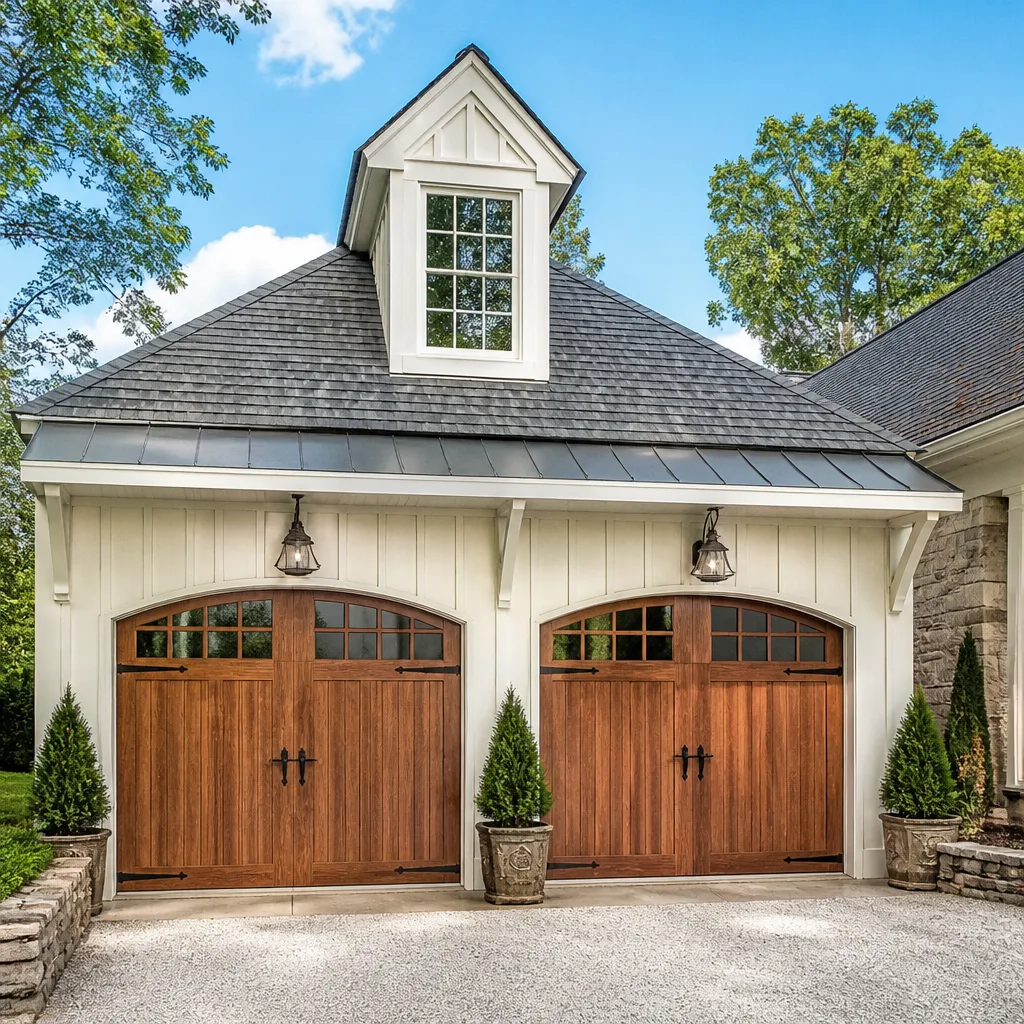 Carriage house
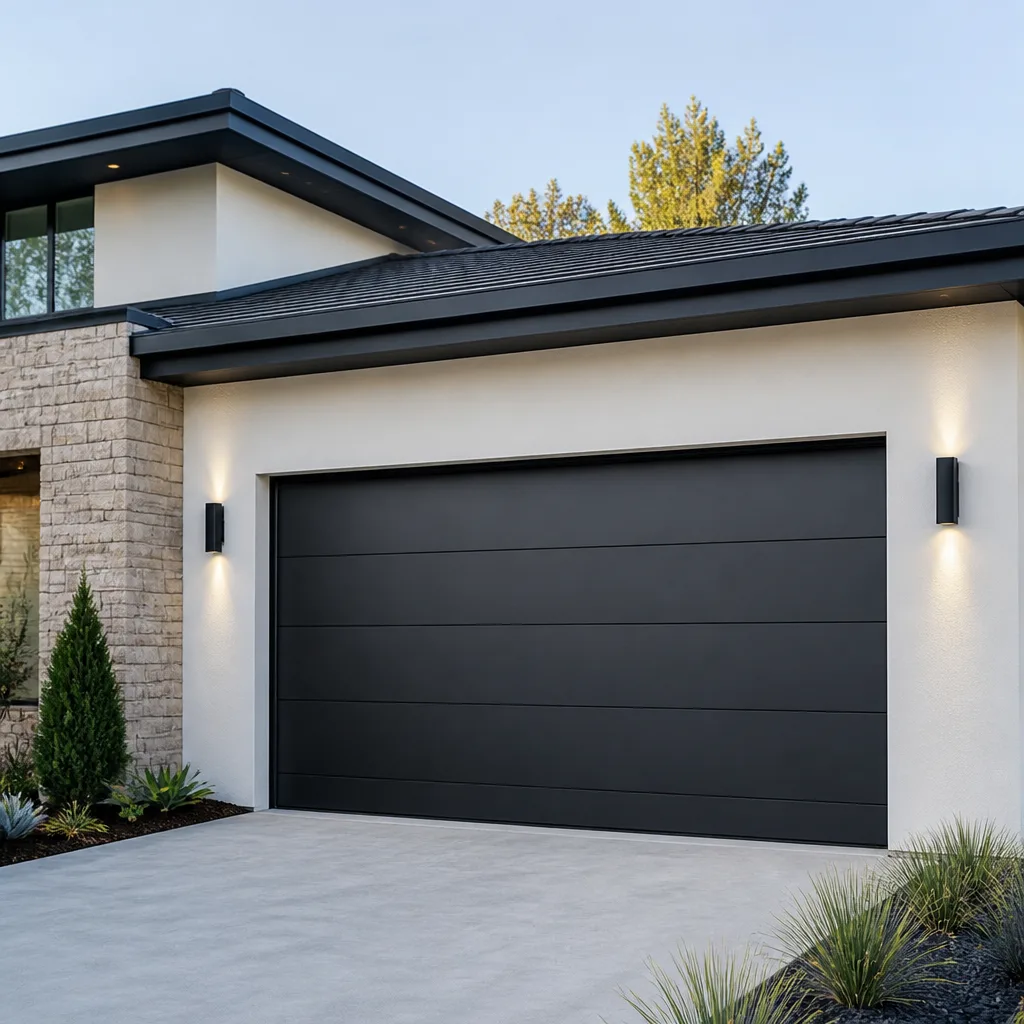 Modern flush
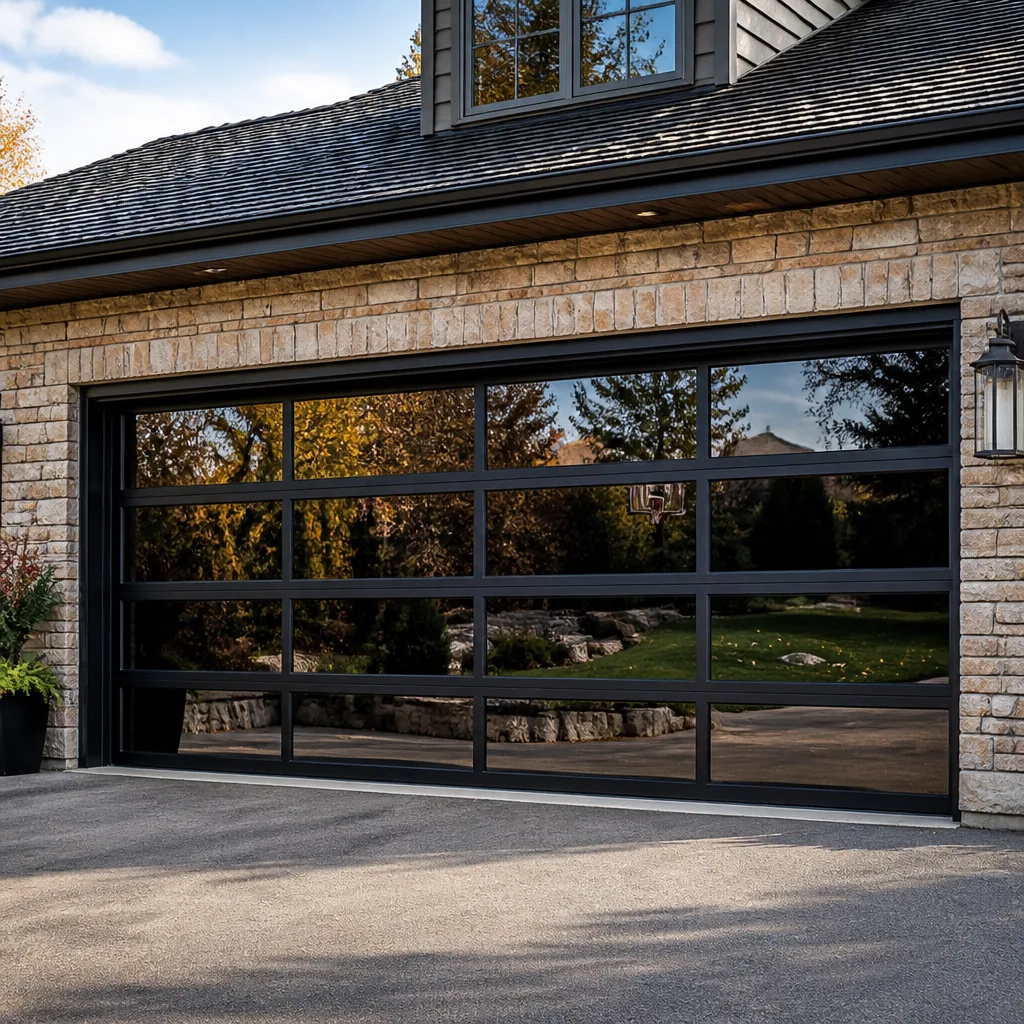 Full-view glass
 LiftMaster openers
 Chamberlain openers
Full 25-point door and opener safety check with every visit - springs, cables, rollers, tracks, and your LiftMaster or Chamberlain opener included
You get a price before we start. It does not change when the pro arrives.
Get your free estimateGarage Door Warning Signs: A Woodbridge Township Homeowner’s Reference Guide
Most garage doors that fail badly announced themselves first. The trouble is that the announcement rarely sounds like an emergency. It sounds like a routine squeak, a door that takes an extra second to close, a small rattle you mean to look at eventually. The gap between “my door is a little slow” and “my door dropped off the track” is usually about three weeks and a handful of symptoms that nobody recognized. Woodbridge Township homeowners have a specific set of conditions working on their doors, and the warning signs are just as specific. This guide is a reference card you can keep: what each sound and movement actually means, which signs can wait for a scheduled visit, and which mean stop using the door today.
Quick Answer
The most common garage door warning signs are grinding or squealing during travel, a door that rests unevenly or reverses on its own, visible gaps or fraying at the cables, and an opener that clicks without moving the door. Any sign of a snapped spring, a loose or broken cable, or a door hanging off its track means stop operating the door and call a technician. Noise, slow response and minor vibration on an otherwise balanced door are usually safe to live with briefly while you schedule service.
Styles & brands we work with
- Raised-panel steel
- Carriage house
- Modern flush
- Full-view glass
- LiftMaster openers
- Chamberlain openers
Table of Contents
- What Each Garage Door Sound Is Telling You
- Visual Warning Signs, Sorted by Urgency
- The Manual Disconnect Test: Spring, Balance, or Opener?
- Warning Signs That Are Specific to Your Opener Brand
- How Woodbridge Township Weather Wears a Door Down
- The Reference Card: Symptom, Cause, Urgency, Safe to Use?
- A Seasonal Checklist for Woodbridge Township Doors
- When Warning Signs Point to Replacement, Not Repair
What Each Garage Door Sound Is Telling You
A garage door is mostly metal, and metal transmits every problem through sound. When we listen to a door for the first time, the noise usually narrows the cause down before anyone has looked at a single part. It’s a mechanical map, not just “it needs lubrication.” Here’s how we read the common ones on doors around Woodbridge Township.
- Grinding, low and steady: usually rollers that have seized in their tracks or a torsion tube dragging dry. The door keeps working, but the roller is now a metal shoe scraping off metal. This one wears parts fast.
- Squealing, high-pitched and rhythmic: dry bearings or a dry spring. The pitch rises and falls in step with the door’s travel because the friction is rotating. A dry torsion spring is worth lubricating properly, not spraying with whatever’s on the shelf.
- Popping or a single loud bang: a torsion spring letting go. If you heard the bang and the door now feels weightless or won’t open from the opener, the spring has failed. Stop using the door and read the next section before you touch it.
- Clicking that repeats without the door moving: the opener is trying to start and being blocked, or a safety sensor is out of alignment. On belt-drive units from brands like Genie and LiftMaster, a repeated click is very often a sensor eye, not a motor.
- Rattling or banging in the tracks: loose hinges, a missing roller, or a panel that has come slightly out of the track. Rattling is one of the early signs that a small alignment issue is growing.
The pattern matters as much as the sound. A grinding that appears only at the top of the travel points at the top section and the tracks. One that shows up on the way down only usually points to the opener’s force setting rather than the door itself. In our experience, a two-minute listen tells you which of those you’re dealing with long before the door is opened up.
Visual Warning Signs, Sorted by Urgency
Some signs mean schedule a visit. Some mean stop using the door right now. The difference matters more than most homeowners realize, so here’s the sort we use on the job.
Stop Using the Door Today
- A gap in the spring: look at the torsion spring above the door. If you see a visible gap or the two coils have separated, the spring is broken. Springs are under heavy tension and a failing one can cause serious injury. Do not try to open the door with the opener and do not touch the spring or cables.
- A frayed or loose cable: cables are also under high tension. Any fraying, slack, or a cable that has slipped off a drum is a stop signal. This is not a hands-on repair.
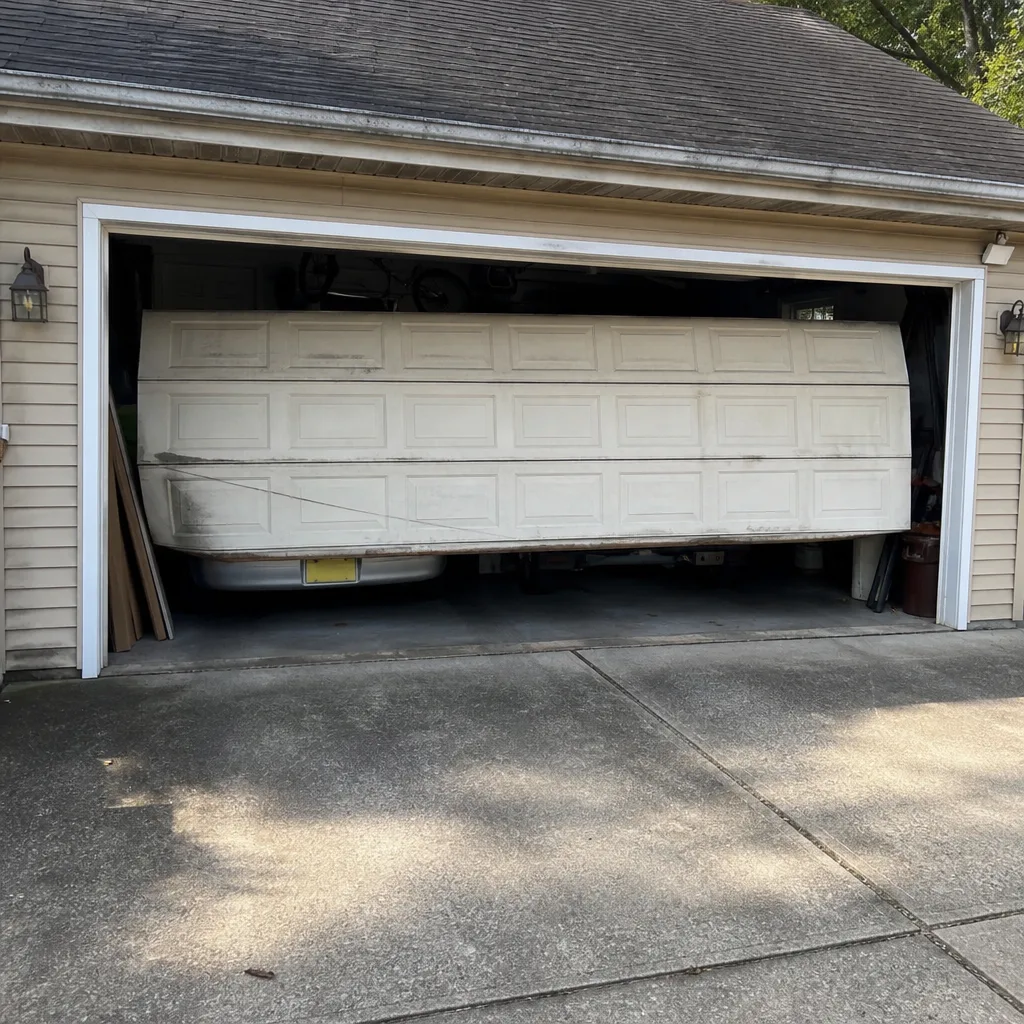
- The door hanging off the track: if a roller has come out of the track or the door is visibly tilted, running the opener will push against the jam and can bend a panel or drop the door. Leave it down and call.
- The door closing on an obstruction or reversing at random: a door that reverses on its own, or fails to reverse when something is under it, is a safety hazard. Stop using it until a technician checks the safety sensors and the opener’s travel limits.
Schedule Service Soon
- The door rests unevenly or one side sits higher than the other when closed. That’s usually a balance issue, not a spring failure yet, but it loads the opener harder.
- Visible rust on hinges or tracks. Woodbridge Township gets humid summers and cold, wet winters, and that cycle takes its toll on painted steel hardware.
- A section with a dent or a crease. Cosmetic on the face, but a dent near a hinge can throw off alignment.
- Slow or labored opening. The opener is working harder than it should, and something is making it.
The Manual Disconnect Test: Spring, Balance, or Opener?
When a door stops opening properly, three things can be wrong: the spring, the door’s balance, or the opener. The good news is that there is a simple test to tell them apart before anyone drives out. It’s low risk if done with the door closed and handled carefully.
- Close the door completely. Never run this test on an open door.
- Pull the manual release cord hanging from the opener’s rail. You’ll hear a click, and the door is now disconnected from the opener.
- Lift the door a few inches by hand. It should move with a modest, even effort. If it feels extremely heavy or won’t lift at all, the spring has likely failed. Stop there and don’t force it.
- Lift it to about waist height and let go. A balanced door will hold roughly where you leave it. A door that drops hard is out of balance and the springs need attention.
- Now try the opener with the door still disconnected. If the opener runs but the door doesn’t, the disconnect is expected. Reconnect and test again. If the opener won’t run at all, or runs weakly, or clicks and stops, the problem is the opener or a safety sensor, not the door.
What each result tells you: a heavy door that won’t hold equals a spring problem. A door that moves freely but won’t hold equals a balance or spring tension problem. A door that moves fine by hand but not with the opener equals an opener, sensor, or force-setting problem. That last case in Woodbridge Township homes often turns out to be a sensor knocked out of alignment, which is a much smaller job than replacing an opener.
One safety note on this test. If the door feels unusually heavy or you hear a clunk while lifting, stop immediately. A door with a failed spring can drop suddenly under its full weight, and springs and cables themselves are never a homeowner job. The disconnect test tells you what’s wrong. It doesn’t mean you should fix it yourself.
Warning Signs That Are Specific to Your Opener Brand
Most garage doors fail for universal reasons. But openers have their own personalities, and some warning signs are brand-specific. We work on the brand you already have, which means we see the quirks of each unit often enough to recognize them. Here are the ones Woodbridge Township homeowners ask about most.
- LiftMaster: on Wi-Fi and myQ-equipped units, a light that blinks in a distinct pattern often points to a sensor issue or a connectivity problem rather than a mechanical fault. If the door still operates with the wall button but not the app, that’s a connectivity sign, not a door failure.
- Chamberlain: Chamberlain shares a great deal of engineering with LiftMaster, and the same blink-code logic applies. A unit that beeps and refuses to close is usually telling you the safety sensors lost their signal, not that the motor is dying.
- Craftsman: older Craftsman openers are common on Woodbridge Township doors, especially on homes with legacy setups. A unit that runs but won’t complete a full cycle is often a force-limit setting that needs adjusting, not a dead motor. That’s an opener repair call, not a door replacement.
- Genie: on belt-driven Genie units, a sudden increase in noise or a creeping travel distance often comes back to a stretched or worn belt or a loose carriage, which is a repair, not a replacement.
The theme to take from this: the brand doesn’t usually change whether a symptom is serious. It changes what the symptom is likely to be. Knowing the unit you have is the first step toward a correct diagnosis. If your opener is acting up, our garage door opener repair page explains how we trace the fault down to the part.
How Woodbridge Township Weather Wears a Door Down
Woodbridge Township sits in a climate with four real seasons, and each of them leaves a mark on a garage door. Nobody thinks of weather as a warning sign, but it’s what makes some symptoms appear and others disappear. Understanding that pattern helps you tell a real problem from a seasonal quirk.
Summer humidity is the big one. Warm, wet air works its way into hinges, rollers and the torsion tube, and hardware that was quiet in April starts to squeak in July. That’s why noise complaints see a small bump after the humid stretch. Fall brings temperature swings, and metal expands and contracts as mornings cool. A door that fit well in summer can start to bind ever so slightly as the cold settles in. Winter is the real test: the cold contracts springs and stiffens grease, and doors that were borderline in the fall suddenly become heavy or sluggish. Spring is when everything gets tested at once as temperatures rise and the door starts working harder than it has in months.
What we watch for in Woodbridge Township specifically is rust and corrosion on hardware after wet winters, and doors that sit in humid air all summer without a single lubrication point. Older steel doors on homes with mature tree cover hold moisture longer. None of this is dramatic. It just means a door that gets noticed once a season will outlast one that doesn’t. A five-minute check in spring and fall catches most of what weather is doing before it turns into a repair.
The Reference Card: Symptom, Cause, Urgency, Safe to Use?
Here’s the part to save. Line up a symptom, find the likely cause, look at the urgency, and check whether the door is safe to operate while you wait for service. Treat this as a quick guide, not a substitute for a technician’s diagnosis.
- Loud bang, door won’t lift, or feels weightless: failed torsion spring. Urgency: high. Safe to use? No. Stop and call.
- Gap in the spring above the door: broken spring. Urgency: high. Safe to use? No.
- Door off its track or visibly tilted: failed roller or bent track. Urgency: high. Safe to use? No.
- Frayed or slack cable: cable damage under tension. Urgency: high. Safe to use? No.
- Door reverses on its own or won’t reverse on contact: safety sensor or travel-limit fault. Urgency: high. Safe to use? Only when supervised, and ideally not until checked.
- Grinding during travel: seized roller or dry torsion tube. Urgency: medium. Safe to use? Yes, briefly.
- Squealing or high-pitched whine: dry bearing or spring. Urgency: medium. Safe to use? Yes, briefly.
- Rattling in the tracks: loose hinge or panel alignment. Urgency: medium. Safe to use? Yes, briefly.
- Clicking without movement: blocked opener or sensor misalignment. Urgency: medium. Safe to use? Not useful to, but not dangerous.
- Door rests unevenly when closed: balance problem. Urgency: medium. Safe to use? Yes, with care.
If in doubt, treat it as a stop sign. A door that’s just noisy can wait for a scheduled morning visit. A door that’s about to drop cannot.
See the difference
 Before
 After
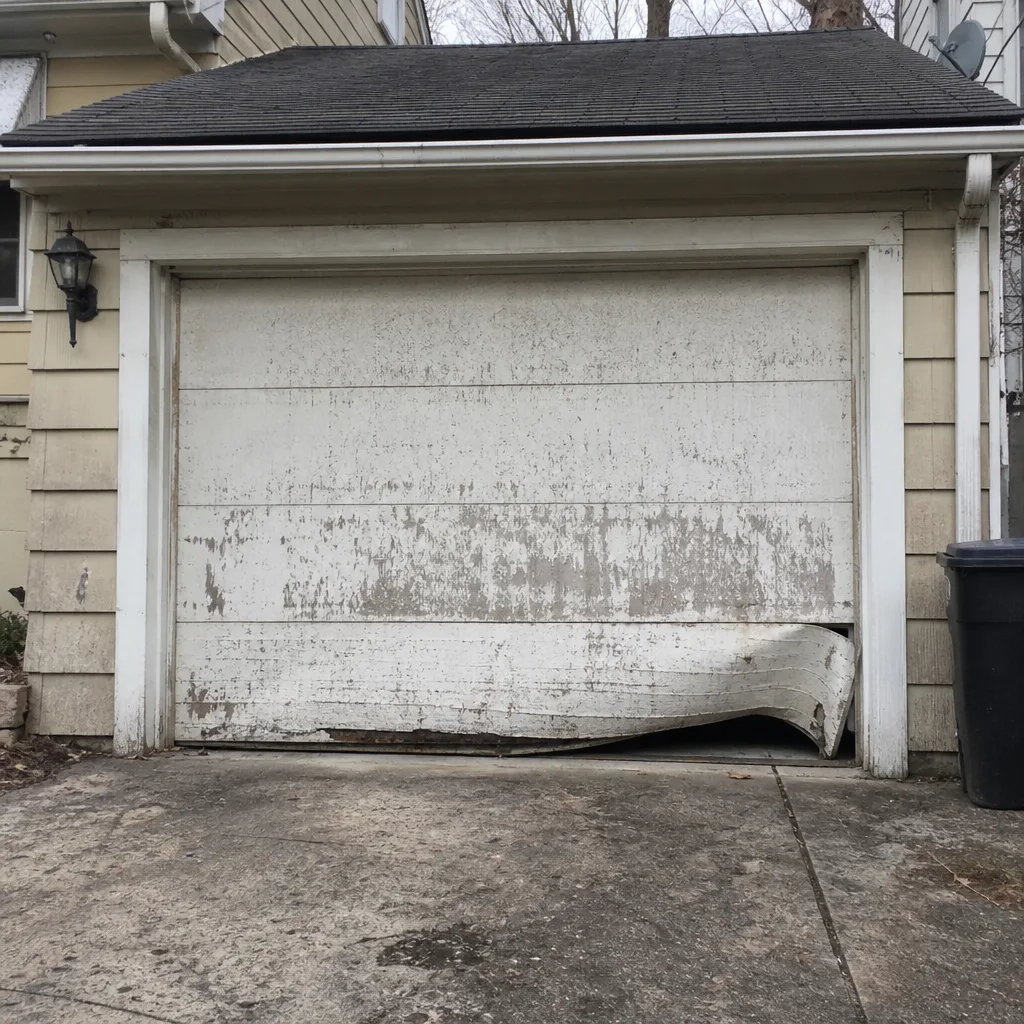 Before
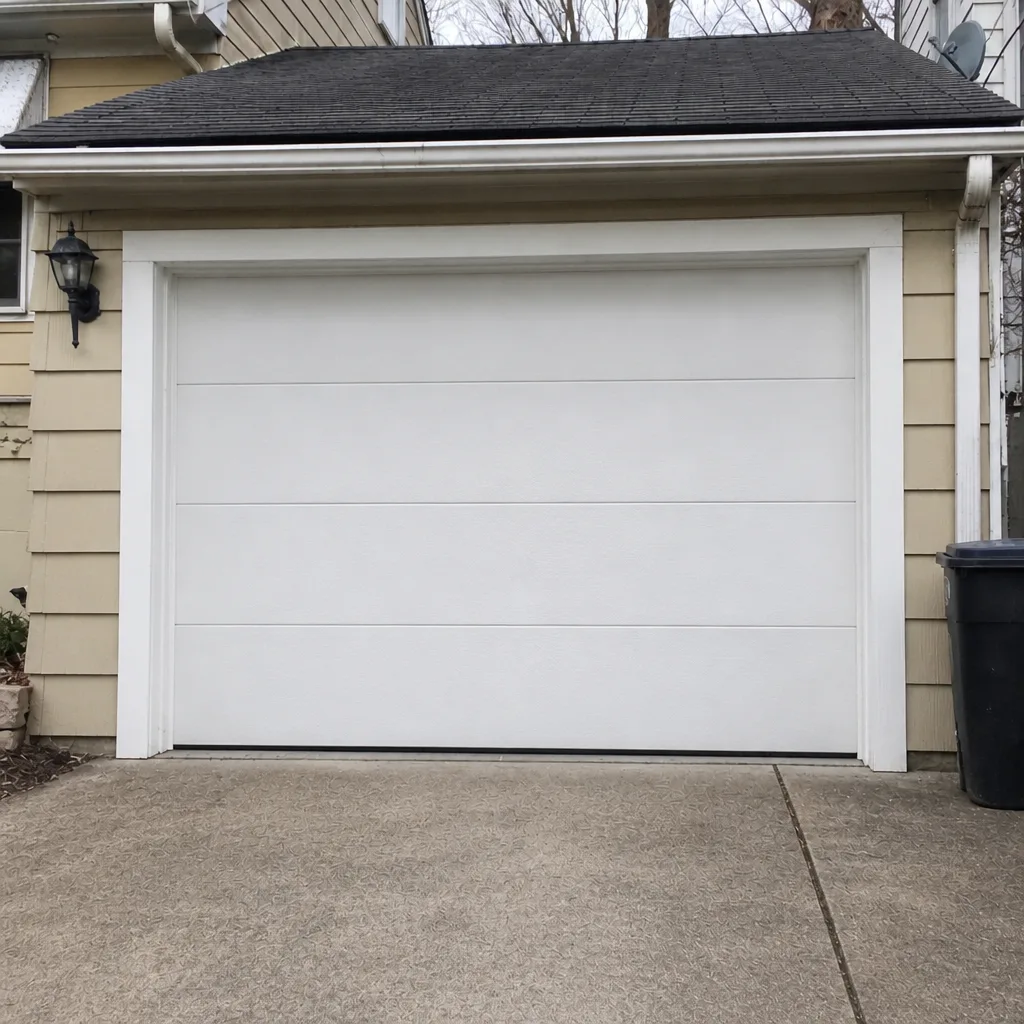 After
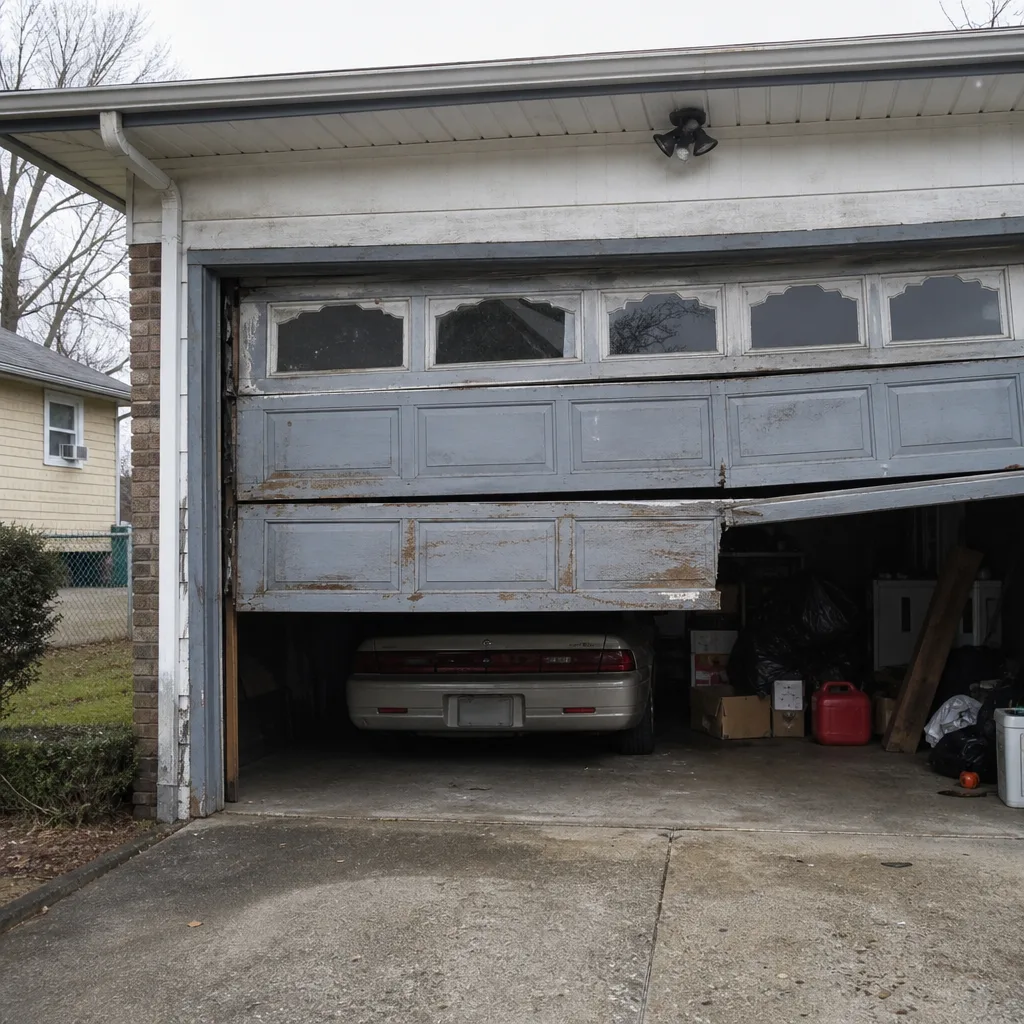 Before
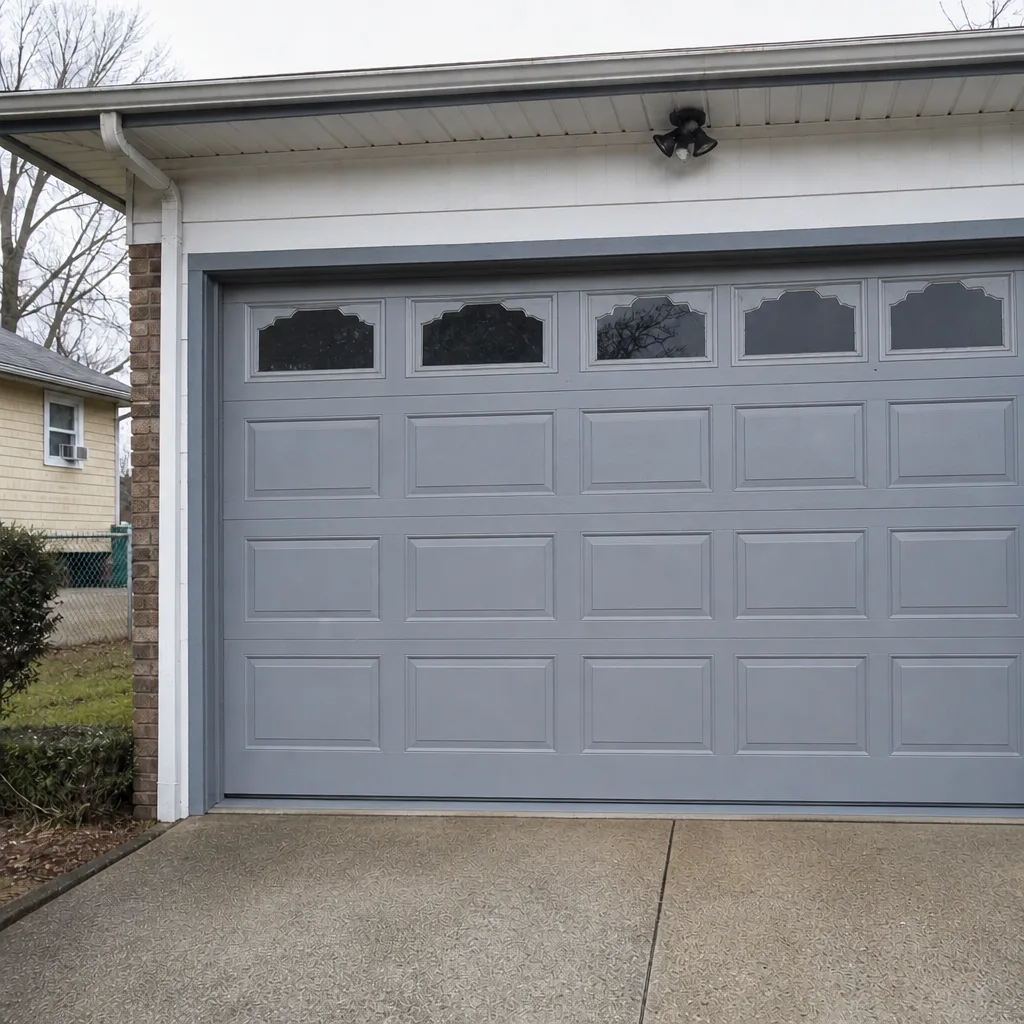 After
A Seasonal Checklist for Woodbridge Township Doors
If you want to catch these signs before they become a repair, a short walk-around twice a year does most of the work. This is the check we suggest for every homeowner, whatever brand of door they have, whether it’s a Clopay or Amarr steel door or an older Wayne Dalton model.
- Listen from the driveway. Run the door up and down once. Note any new sound. Compare it to what you remember from last season.
- Watch the door, not the opener. Does it move evenly, or does one side lag? Does it shudder at the start or at the top of the travel?
- Check the springs and cables from a safe distance. Look for a gap in the spring or a frayed cable. Don’t touch either one.
- Look at the hardware. Rust, loose bolts or a roller that looks out of its track. Hinges that show wear.
- Test the safety reversing feature. Put a rolled-up piece of cardboard or a small object under the closing door and see whether it reverses. A door that doesn’t reverse needs a sensor check.
- Check the weather seal at the floor. If light shows through, the seal is worn and the door is letting weather in.
- Run your hand along the bottom edge and the panels for dents or creases you can see from the ground.
Do this in spring and again in fall. Most of what we’re called out for in Woodbridge Township shows up as a small note on a checklist like this weeks before it becomes a no-door day. That’s the whole point of the card: catch the trail early.
When Warning Signs Point to Replacement, Not Repair
Not every symptom is a repair job. Sometimes a door has simply given you its best and the warning signs are telling you that more repairs aren’t the answer. Here’s the guidance we give when a homeowner is weighing it up.
Repair is the right call when the door is fundamentally sound and one component is failing. A spring, a roller, a sensor, a single opener part, a cable that needs replacing. Those are day jobs. They’re the reason we offer garage door spring repair as a dedicated specialty instead of a general handyman job, because the spring is the part that has to be done right.
Replacement starts to make sense in a few situations. The door is dented or delaminated across multiple panels, or panels are so bent they no longer align with the track. The opener is on its last legs and the door itself is old and heavy against modern equipment. You’re putting repeated money into the same door, or a previous repair was done wrong and the whole assembly is now out of true. Homeowners who’ve had a door off its track twice in a season, or a panel that just won’t sit right, are usually better off putting that money toward a new door on a schedule than toward another patch.
It’s also worth knowing that repair and installation come from the same place with us. There’s no second company to call when a repair tips into a replacement. Our garage door repair work is a way in for most homeowners, but if the answer is a new door, we can handle that on the same relationship. That’s part of the pitch, but it’s also practical. You don’t have to start over finding someone.
Common Mistakes to Avoid
- Ignoring the noise. A grinding sound is not “just a door being a door.” It’s a warning sign that hardware is wearing, and it gets more expensive the longer it runs. By the time the roller seizes completely, it’s usually damaged the track along with it.
- Trying to fix a spring or cable yourself. These are the two parts of a garage door that are genuinely dangerous. A failing spring can cause serious injury. This is not a hands-on homeowner repair, no matter how many videos there are.
- Assuming a non-moving door means a dead opener. Around Woodbridge Township, a surprising share of “dead opener” calls turn out to be a safety sensor out of alignment or a door that’s out of balance. Test before you replace.
- Spraying the tracks with heavy lubricant. Tracks don’t need grease. If they do, they get sticky and collect grit. Wear points are the hinges, rollers and spring, and they need the right lubricant in the right place.
- Running a door that reverses randomly. A door that reverses on its own, or won’t reverse on contact, is a safety hazard. Stop using it. Don’t wait to see if it does it again.
- Buying a new opener to fix a door problem. If the door is heavy or out of balance, a new opener will just work harder against the same problem and fail faster. Fix the door first.
- Waiting until a door won’t close at all. In Woodbridge Township, cold snaps and humid summers each test a door’s weakest point. The warning signs usually appear first. Catching them keeps a repair small.
When to Call a Professional
Call us when a spring has failed or you see a gap in the coils, when a cable is frayed or slack, when the door is off its track or visibly tilted, or when the door reverses at random or won’t reverse on contact. Those are the stop-and-call signs. Call too when the noise has become steady and you can’t tell what’s causing it, or when the opener clicks and stalls. Our technicians have up to 10 years of experience diagnosing exactly this kind of failure, and we work on the brand you already have. Woodbridge Garage Door Repair Pros offers free estimates in Woodbridge Township. Call (855) 337-1749. We answer 24/7. Fast dispatch from 7am to 7pm, Sunday through Friday.
One thing to understand before you call: no work starts until the price is quoted and agreed. You’ll get a written estimate first, and that’s the price. There’s no invoice surprise after the fact, no fee to have someone look at it. The estimate is free.
Frequently Asked Questions
The most common first sign is a new noise during travel, usually grinding or squealing, followed by the door starting to move unevenly or rest unevenly when closed. Any change in sound or movement is the earliest warning you’ll get. Catch it then and most of these turn into small repairs rather than emergency calls.
No. A door with a broken spring should not be operated, because the spring is what counterbalances the door’s full weight. Running the opener against a failed spring puts extreme load on the opener, the cables and the door itself. Stop using the door and book a garage door spring repair visit.
No. Garage door springs are under high tension, and a failing spring can cause serious injury. This is the one part of the door we genuinely advise against DIY for. A trained technician has the right tools and knows how to release and set the tension safely.
Usually not. A click without movement most often means a safety sensor is misaligned or blocked, or the opener is jammed against a door that’s out of balance. The manual disconnect test in this guide will tell you which one. Call (855) 337-1749 for an exact diagnosis and quote.
Humidity. Summer air works into hinges, rollers and the torsion tube, and hardware that was quiet in spring starts to squeal. A grinding or squealing door in July is usually telling you it’s due for the right lubrication in the right places, not that it needs replacing.
A single spring replacement is typically in the range of $180 to $340, and because springs are usually replaced as a matched pair, a pair costs about twice that. The written estimate sets the final price before any work starts. Call (855) 337-1749. Estimates are free.
The Bottom Line
Garage doors leave a trail. The sound, the movement and the visible hardware all tell you what’s happening weeks before the door fails. The trick is knowing which signs to act on now and which can wait for a scheduled visit. Any sign of a broken spring, a damaged cable, a door off its track or a door that reverses incorrectly means stop using it and call. Noise, uneven rest and slow travel can wait. If you run the manual disconnect test and you’re still not sure, that’s what we’re here for. Our technicians have up to 10 years of experience, we work on the brand you already have, and our Woodbridge Garage Door Repair Pros team covers the whole range from opener glitch to full installation.
Call (855) 337-1749 for a free estimate. We answer 24/7. Fast dispatch from 7am to 7pm, Sunday through Friday, and no work starts until the written price is agreed.
Written by the team at Woodbridge Garage Door Repair Pros.