
Last updated November 23, 2026
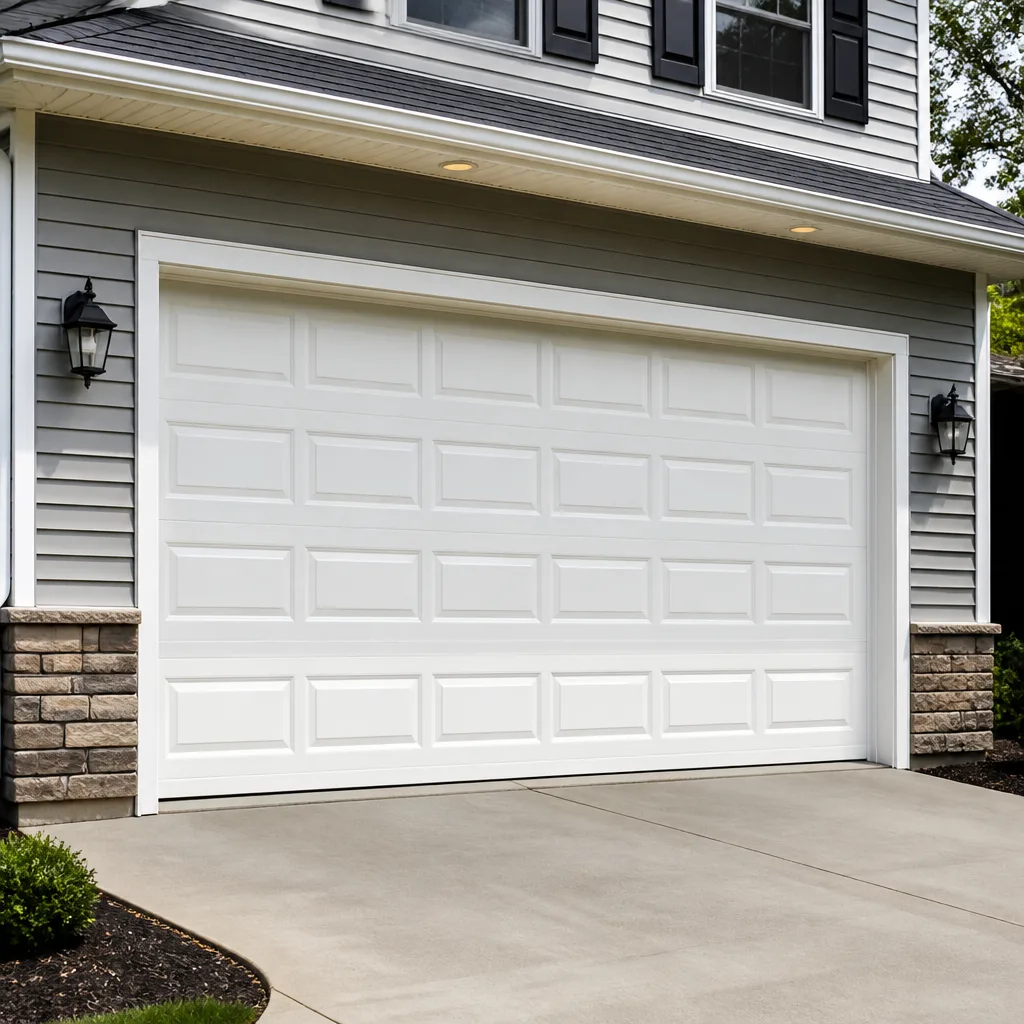 Raised-panel steel
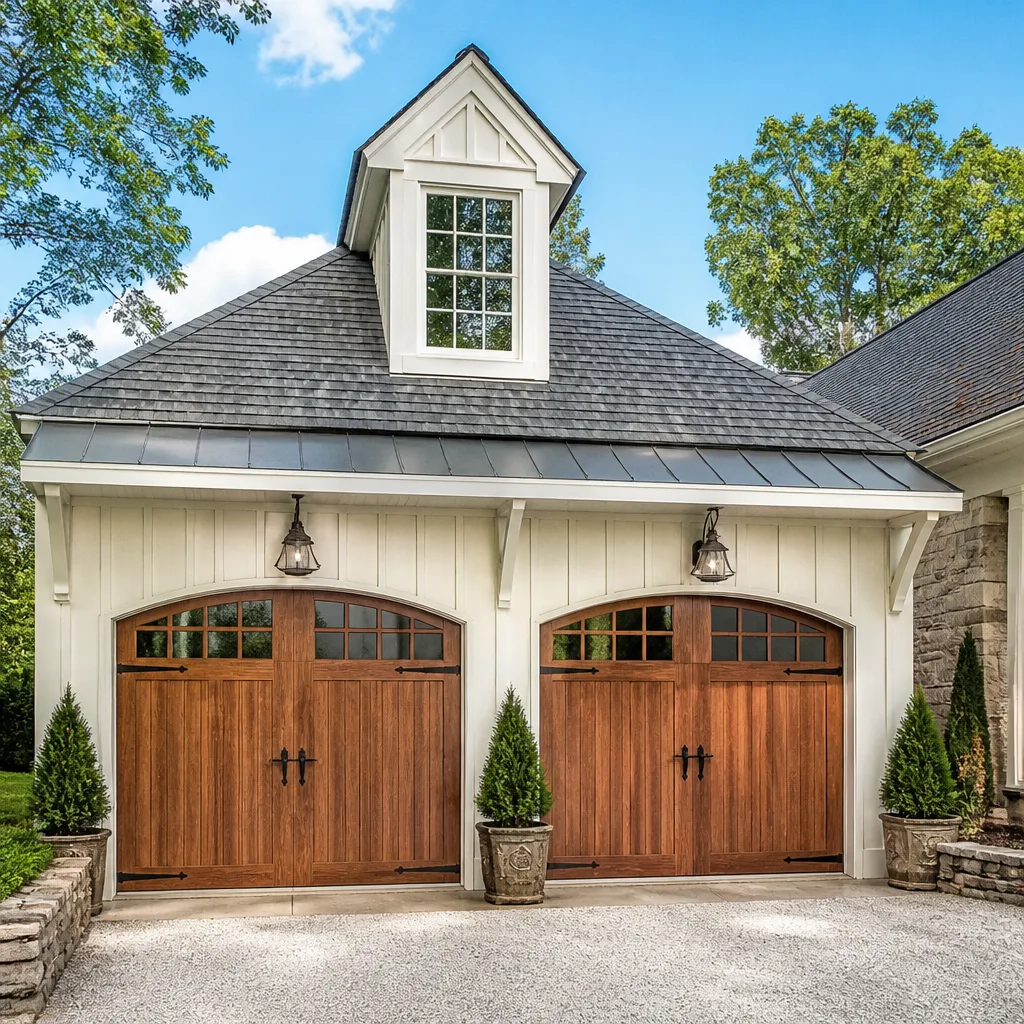 Carriage house
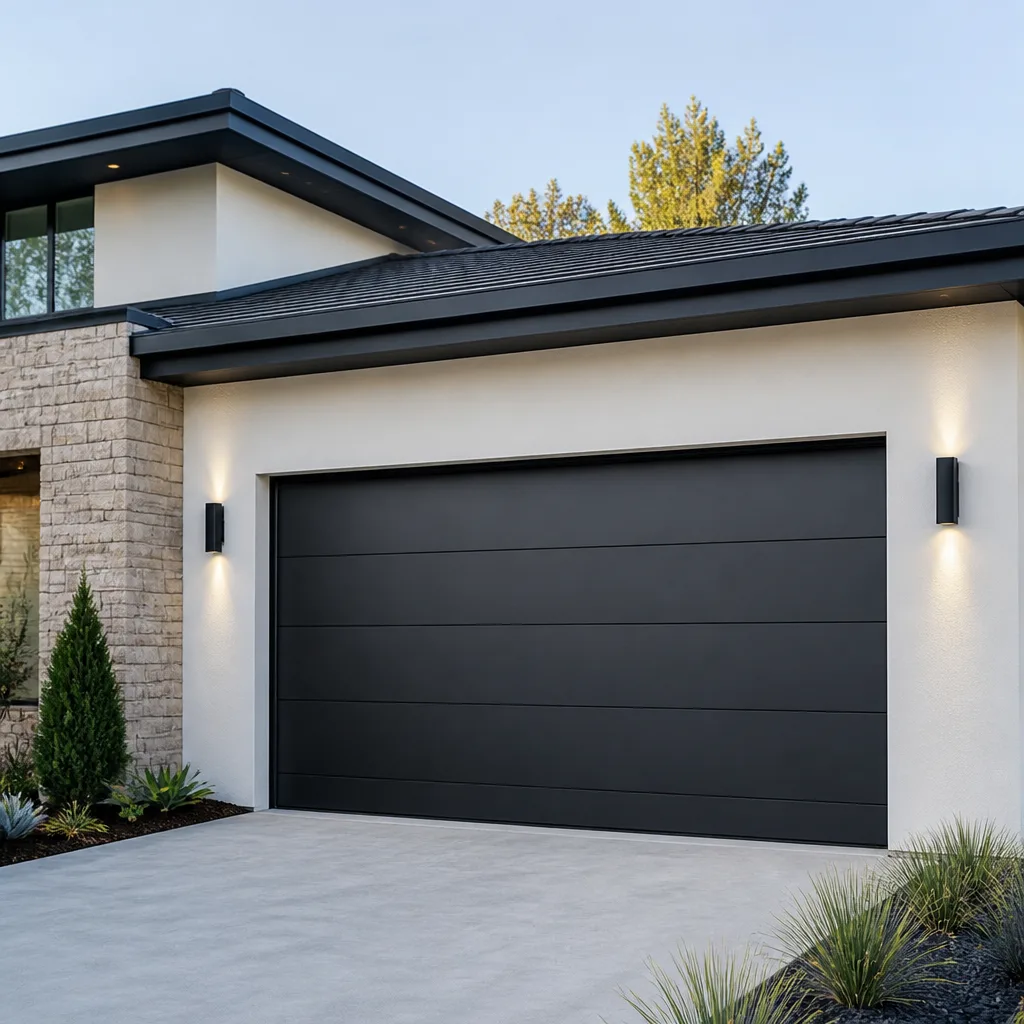 Modern flush
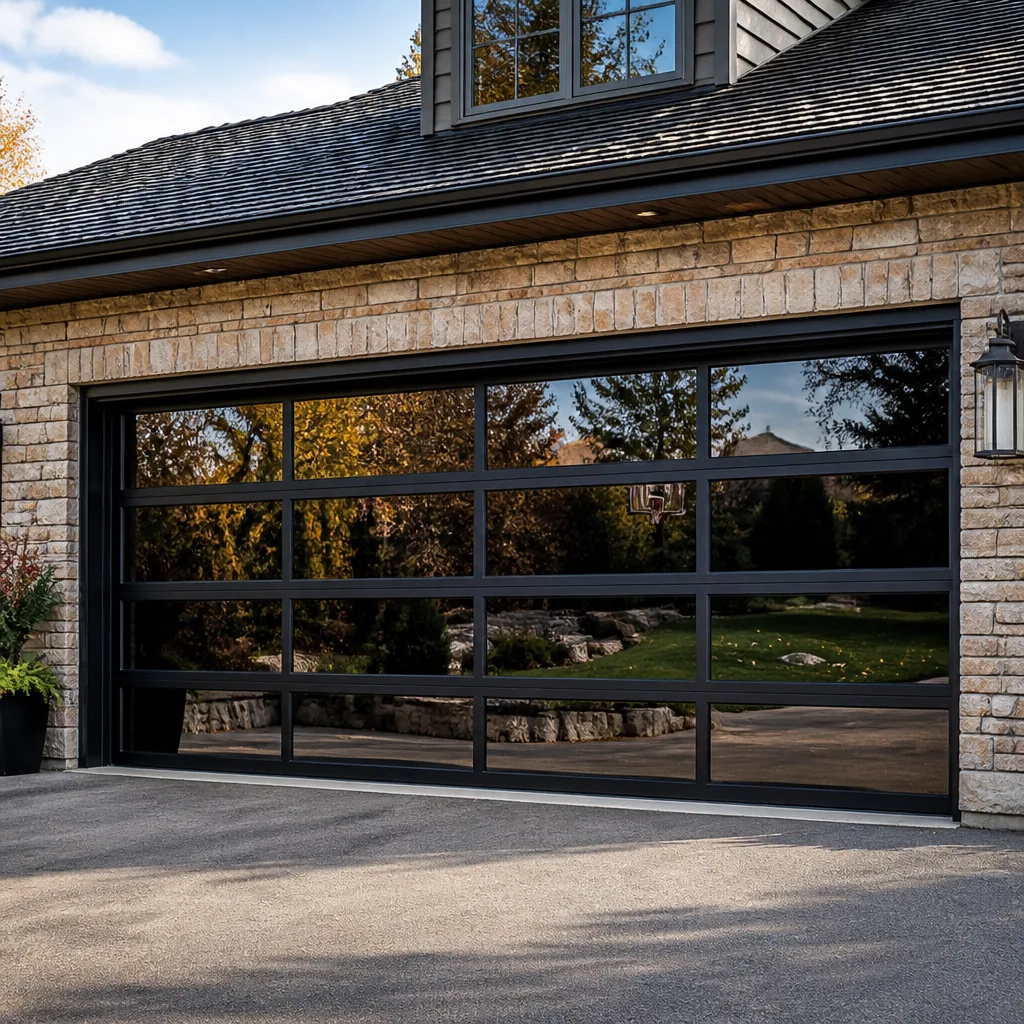 Full-view glass
 LiftMaster openers
 Chamberlain openers
Full 25-point door and opener safety check with every visit - springs, cables, rollers, tracks, and your LiftMaster or Chamberlain opener included
You get a price before we start. It does not change when the pro arrives.
Get your free estimateSeasonal Garage Door Care for Woodbridge Township: Year-Round Homeowner’s Guide
February gets all the blame for garage door failures in New Jersey, but the spring that snaps in January usually cracked in October, when the temperature swung forty degrees in a week. That’s the part most homeowners never see coming. Woodbridge Township sits in a climate band that stresses a garage door in every season, and the problems that show up in August heat are nothing like the ones that appear in February cold. Your garage door is your home’s largest moving part, and it responds to weather the way a deck or a driveway does: gradually, then all at once. This guide gives you a season-by-season care rhythm tuned to what central New Jersey actually delivers, so you’re fixing small things on your schedule instead of reacting to a failure on a bad morning.
Quick Answer
Seasonal garage door maintenance in Woodbridge Township works best when you treat the shoulder seasons, not winter, as the high-stress periods. Check and lubricate springs, cables, rollers and hinges in October before the first hard freeze, watch for frost jams and adjust opener travel in January, wash winter road-treatment residue off bottom brackets and hinges in March, and check balance and belt tension through the humid summer months. Two short inspections a year plus a monthly listen-and-look habit will catch most problems while they’re still cheap to fix.
Styles & brands we work with
- Raised-panel steel
- Carriage house
- Modern flush
- Full-view glass
- LiftMaster openers
- Chamberlain openers
Table of Contents
- Why Woodbridge Township Weather Stresses a Garage Door Year-Round
- Fall: The Highest-Stress Season for Springs and Cables
- Winter: Cold, Frost and the Opener Setting to Adjust
- Spring: Cleaning Off Winter Road Treatment Residue
- Summer: Humidity, Heat Expansion and Balance
- A Month-by-Month Care Calendar for Woodbridge Township
- The 10-Minute Monthly Walkaround
- Common Mistakes to Avoid
- When to Call a Professional
- Frequently Asked Questions
Why Woodbridge Township Weather Stresses a Garage Door Year-Round
Most garage door advice is written for a generic Northeast climate, and that’s the problem. Woodbridge Township doesn’t sit in a deep freeze for months the way inland New England does. What it gets instead is volatility: stretches of mild, damp air interrupted by hard cold snaps, then a thaw, then another freeze. That swing is what does the damage, and it happens long before anyone’s thinking about their garage door.
Steel expands and contracts with temperature. Wooden door sections swell in humid air and shrink when it dries out. Springs, which are under constant tension, cycle through tiny stress changes every time the metal around them moves. Multiply that by a season of forty-degree swings and you get metal fatigue that accumulates quietly. In our experience, a door that fails in a Woodbridge Township January has usually been failing since October.
Add the local mix of housing stock – older homes with wooden sectional doors, newer construction with steel and insulated panels, and a lot of attached garages that double as the main entry point – and you get a wide range of failure modes. A door that’s opened six times a day wears differently than one opened twice a week.
There’s also the road treatment factor. Woodbridge Township winters bring plowed and treated roads, and whatever the plows throw up settles on the bottom of your door, the brackets and the hinges. It sits there until someone washes it off, and by then it’s been working on the finish and the moving parts all season.
Four seasons, four different stress patterns, one moving assembly. That’s why a single annual tune-up doesn’t cover it. You need a rhythm that matches the calendar.
Fall: The Highest-Stress Season for Springs and Cables
October is the most dangerous month for a garage door in Woodbridge Township, and almost nobody treats it that way. The reason is simple: this is when temperature swings are widest and most frequent. A warm afternoon followed by a cold night can move the metal in your door, tracks and spring assembly enough to matter, and it repeats that cycle week after week. The torsion spring that holds your door’s weight is cycling through stress changes every time that happens.
That’s why a spring that snaps in January usually started failing in the fall. The crack forms during the shoulder season, spreads slowly, and the final break happens on the coldest morning of the year when the metal is at its most brittle. Fix the fall and you prevent most of the winter.
Here’s the pre-winter routine that actually prevents January failures:
- Test the door’s balance. Disconnect the opener, lift the door halfway by hand, and let go. A balanced door stays put. One that drifts down or slams up needs professional attention before winter.
- Listen for the sound. A door that groans, squeaks or grinds during the fall is telling you something is dry, loose or worn. Lubricate rollers, hinges and the spring with a garage-door-specific lubricant, not WD-40.
- Look at the cables. Check both sides of the door for fraying, kinks or slack. A cable that looks off is a safety issue, not a maintenance item.
- Inspect the weather seal. The bottom seal takes the most abuse and is one of the cheapest parts to replace before it lets cold air and moisture in.
- Tighten the hardware. Loose hinge and bracket bolts are common after a summer of thermal expansion. A snug turn with a socket wrench is enough – don’t overtighten.
- Test the safety reverse. Put a piece of wood on the floor under the door and close it. The door should reverse on contact.
If any of these checks turn up something you don’t want to deal with, this is the time to schedule garage door spring repair – not the week between Christmas and New Year when everyone else’s door is failing too. A technician who can look at your springs in October can tell you whether they have another season left or need replacing now.
One more fall item: if you have an older wooden door, check the finish on the bottom and side edges. That’s where moisture gets in first, and a repaint or reseal before winter buys you years.
Winter: Cold, Frost and the Opener Setting to Adjust
Winter in Woodbridge Township is not one long deep freeze. It’s a sequence of cold snaps and thaws, and that’s actually worse for a garage door than steady cold. Every thaw lets moisture into the seals and crevices. Every refreeze expands that moisture and pushes the parts it’s sitting in out of alignment.
Two things cause most winter garage door problems here:
- Lubricant that thickens in the cold. Not all lubricants behave the same at freezing temperatures. A standard oil or grease that flows fine in October can get stiff enough in January to slow the rollers and make the opener work harder. Use a lubricant rated for low temperatures, and apply it thin.
- Frost at the door’s base. A thin layer of frost on the garage floor can grip the bottom seal enough that the opener hits resistance and reverses. A door that worked fine in November suddenly won’t close. Check the base before you assume the opener is failing.
There’s one opener setting worth adjusting before the first hard freeze: the travel and force limit. As cold makes the door’s moving parts stiffer, the opener needs slightly more force to move the same load. If the limit is set too tight, the door will start reversing partway through. Check your opener’s manual for the exact procedure – the adjustment is usually a small screw or a menu option depending on the model. LiftMaster and Chamberlain units use a similar approach; Genie models vary more. If you don’t want to adjust it yourself, this is a quick job for a technician.
If your door genuinely stops working in winter – a broken spring, a snapped cable, a door that won’t close on a cold night – that’s the moment garage door repair matters most, because the garage is often the entry point people use every day. A failed door in January isn’t a nuisance you can wait out.
One thing not to do: don’t pour hot water on a frozen seal or bracket to free it. Thermal shock does damage that shows up weeks later. Let it thaw naturally or call for help.
Spring: Cleaning Off Winter Road Treatment Residue
By March, the bottom half of your garage door has been sitting in whatever the plows and traffic threw at it all winter. Road treatment residue – the mix of salt, sand and de-icer that ends up on driveways and garage floors – is one of the most overlooked causes of garage door damage in Woodbridge Township. It attacks hinges, bottom brackets, the track’s lower section and the finish on steel doors.
What it does is accelerate corrosion. Salt residue holds moisture against metal, and once pitting starts on a hinge or bracket, the part loses strength faster than you’d expect. On steel doors it takes the finish off the bottom edge first, which is where water tends to sit anyway.
Here’s how to clean it off correctly without doing more damage in the process:
- Rinse first, then wash. A gentle spray from a garden hose loosens the residue. Don’t use a pressure washer on the door – it can force water past seals and strip paint.
- Use mild soap, not strong chemicals. A few drops of dish soap in a bucket of water is enough. Harsh cleaners can dull the finish and accelerate the corrosion you’re trying to stop.
- Wipe hinges and brackets with a damp cloth. Don’t soak them. Wipe, then dry.
- Dry everything before lubricating. Water trapped under fresh lubricant causes more rust than no lubricant at all.
- Reapply lubricant to rollers, hinges and the spring once everything is dry. Use a proper garage-door lubricant, not a household oil.
While you’re out there, inspect the bottom brackets and hinges for rust pitting. Light surface rust can be cleaned and protected. Deep pitting or a bracket that’s bent or cracked means replacement. Don’t ignore the bottom brackets – they carry spring tension on many door designs and should only be serviced by someone trained in it.
Spring is also the time to check the door’s weather seal and door bottom for wear. A seal that’s cracked or torn from the winter lets moisture into the garage through the wet weeks of March and April.
Summer: Humidity, Heat Expansion and Balance
Summer in central New Jersey brings its own set of garage door problems, and they’re the ones people don’t think to look for because “it’s warm, nothing should break.” The reality is different – heat and humidity stress a garage door in specific ways that have nothing to do with winter.
Belt drive openers and humidity. Belt-drive openers are quiet and smooth when the belt is at the right tension. High humidity allows the belt to stretch slightly, and the change in tension can show up as a door that runs unevenly, hesitates on the way up, or makes a different sound than it did in May. LiftMaster, Chamberlain and Genie belt-drive models share the same general tensioning principles; some have an automatic tensioner, others don’t. If the belt looks slack or the opener is working harder, that’s a service item.
Wooden door sections and humidity. If your door has wooden sections, whether a full wood door or a wood-facing design from Clopay or Amarr, summer humidity causes the sections to swell. Swollen sections can bind against the tracks or refuse to seat properly. When dry air returns, the sections shrink again and gaps appear at the joints. This swelling-and-shrinking cycle, repeated over years, is why wooden doors need regular inspection of the finish and joints.
Signs heat expansion is throwing off your balance. If your door worked cleanly in the spring but now sounds different, hums at one spot, or takes longer to close, thermal expansion is often the cause. The symptoms to watch for:
- A door that hesitates or stops partway during the middle of the day but runs smoothly early in the morning
- A door that scrapes slightly against a track in the afternoons but not in the evenings
- The opener reversing intermittently on warm days but not cool ones
- A gap that appears at one corner of the door but not the other
Any of these point to the door’s balance or the track alignment being sensitive to temperature. A quick adjustment is usually enough, but if you’re seeing the same pattern year after year, the tracks or rollers may need attention.
If your opener starts behaving oddly in the summer, we can take a look at garage door opener repair as a dedicated service rather than a general handyman visit. Small opener issues compound quickly if the door is fighting the motor.
A Month-by-Month Care Calendar for Woodbridge Township
Here’s a practical calendar built around what Woodbridge Township’s climate actually delivers – not a generic Northeast template. Print it, stick it on the wall inside the garage, and check off each item as you go.
January
- Check the door’s bottom seal for frost jams before chalking up an opener failure.
- Listen for grinding or squealing – cold can expose a lubrication problem.
- Look at spring and cable assemblies for obvious damage; don’t touch them.
February
- Re-check the weather seal for cracks from repeated freeze-thaw.
- Test the opener’s safety reverse. It can drift with the cold.
- If the door hesitates on warm days and runs fine on cold ones, note it for March.
March
- Wash the door’s bottom half to remove road treatment residue.
- Inspect hinges and bottom brackets for rust pitting.
- Re-lubricate rollers, hinges and springs after the door is dry.
- Check the door’s balance and note any change.
April
- Check the weather seal and door bottom for winter damage.
- Tighten loose hardware – thermal cycling loosens bolts.
- Check wooden door finishes for cracks or peeling edges.
May
- Look at belt-drive opener tension; adjust if slack.
- Clear the tracks of any debris and confirm they’re aligned.
- Test the safety reverse again (spring is a good second checkpoint).
June
- Watch for balance changes as humidity climbs.
- Check wooden door sections for swelling and joint gaps.
- Confirm the opener’s force and travel limits are correct.
July
- Repeat the balance check on a hot afternoon – that’s when expansion shows.
- Clean the photo-eye sensors and reflector (if your opener uses one).
- Note any pattern in the door’s behavior: only-hot-days problems versus all-day problems.
August
- Inspect belt-drive openers for any change in sound.
- Re-check rollers and hinges for wear – summer is the peak cycle season.
- Book a pre-fall inspection if you haven’t in a while.
September
- Pre-fall checks: springs, cables, hardware tightness.
- Test the door’s balance one more time before the swings start.
October
- Do the full pre-winter routine described above.
- Lubricate everything with a low-temperature-rated lubricant.
- Schedule any spring or cable work before the cold.
November
- Watch the weather strip for the first cold cracks.
- Check that the opener’s force limit is set for the season.
December
- Listen during every open and close – cold failures often announce themselves.
- Note any frost jams at the base of the door for January.
The pattern is simple: two heavier inspection months (March and October) around a light monthly walkaround. That’s what catches most problems while they’re still small.
The 10-Minute Monthly Walkaround
Once a month, spend ten minutes with the door and opener. This isn’t maintenance – it’s diagnostics. You’re looking for the early signals that something needs attention.
- Look at the springs. From a safe distance, check for gaps, rust or a light coating of oil on the coils. Any of those means a spring is failing. Don’t touch them.
- Look at the cables. Frayed, kinked or slack cables are a stop-and-call situation.
- Listen during a full cycle. A door should run with a steady sound. Grinds, squeals or pops are all signals.
- Check the door’s balance. Disconnect the opener, lift the door halfway, and confirm it stays put.
- Test the safety reverse. Put something in the door’s path and confirm it reverses on contact.
- Inspect the tracks. Look for bends, dents or debris – especially in the lower section where road treatment spray lands.
- Look at the hinges and brackets. Rust, cracks or loose bolts all matter.
- Check the weather seal. Torn or missing seal lets water in.
- Look at the opener. Listen for it working harder than usual, and check the lights and safety sensors.
- Write down anything you noticed. Patterns matter more than individual events.
Anything that involves springs, cables or a door that comes off its tracks is a call-the-professional situation, not a DIY one. Springs store enormous energy – a failed torsion spring can cause serious injury if someone unwinds it wrong. We never suggest a homeowner attempt spring work; it’s one of the few garage door repairs where the risk is genuinely serious.
For everything else – lubrication, cleaning, tightening, seal replacement – the monthly walkaround is yours to run.
See the difference
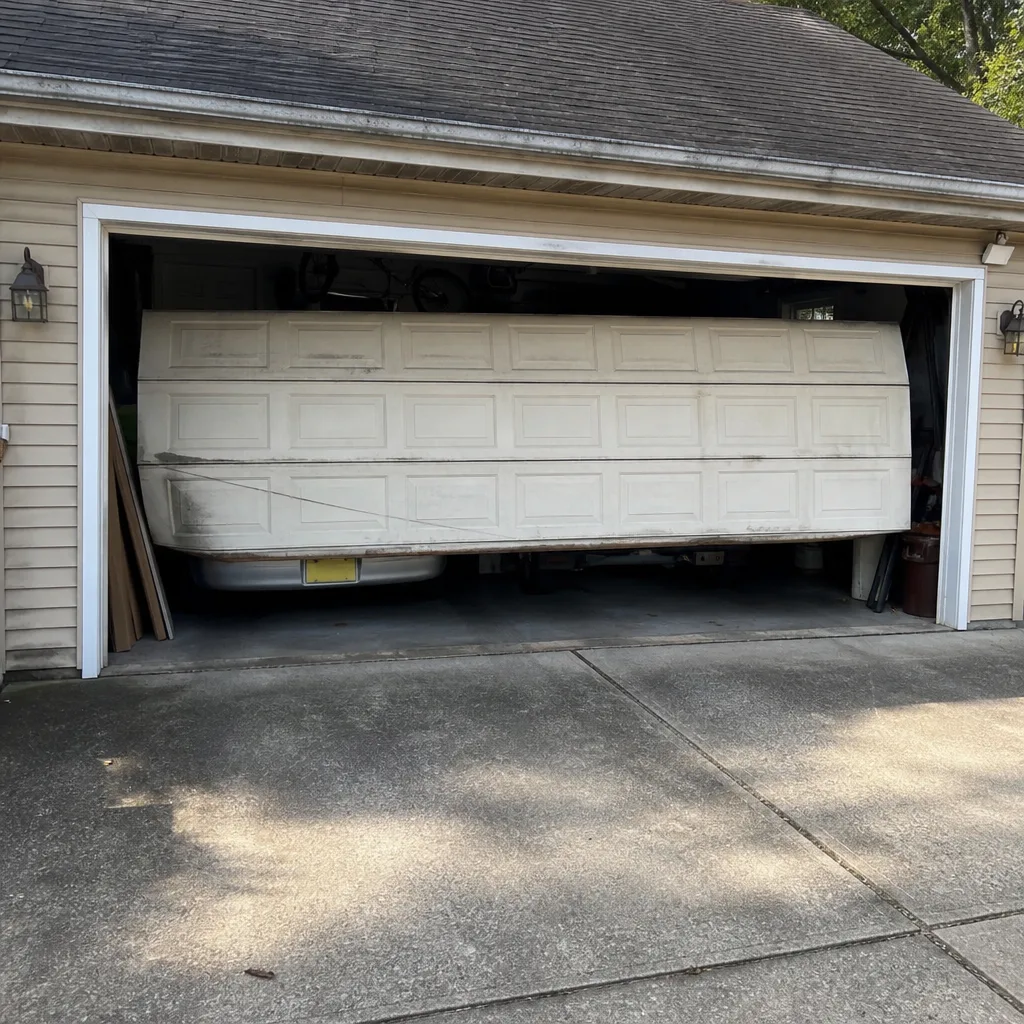 Before
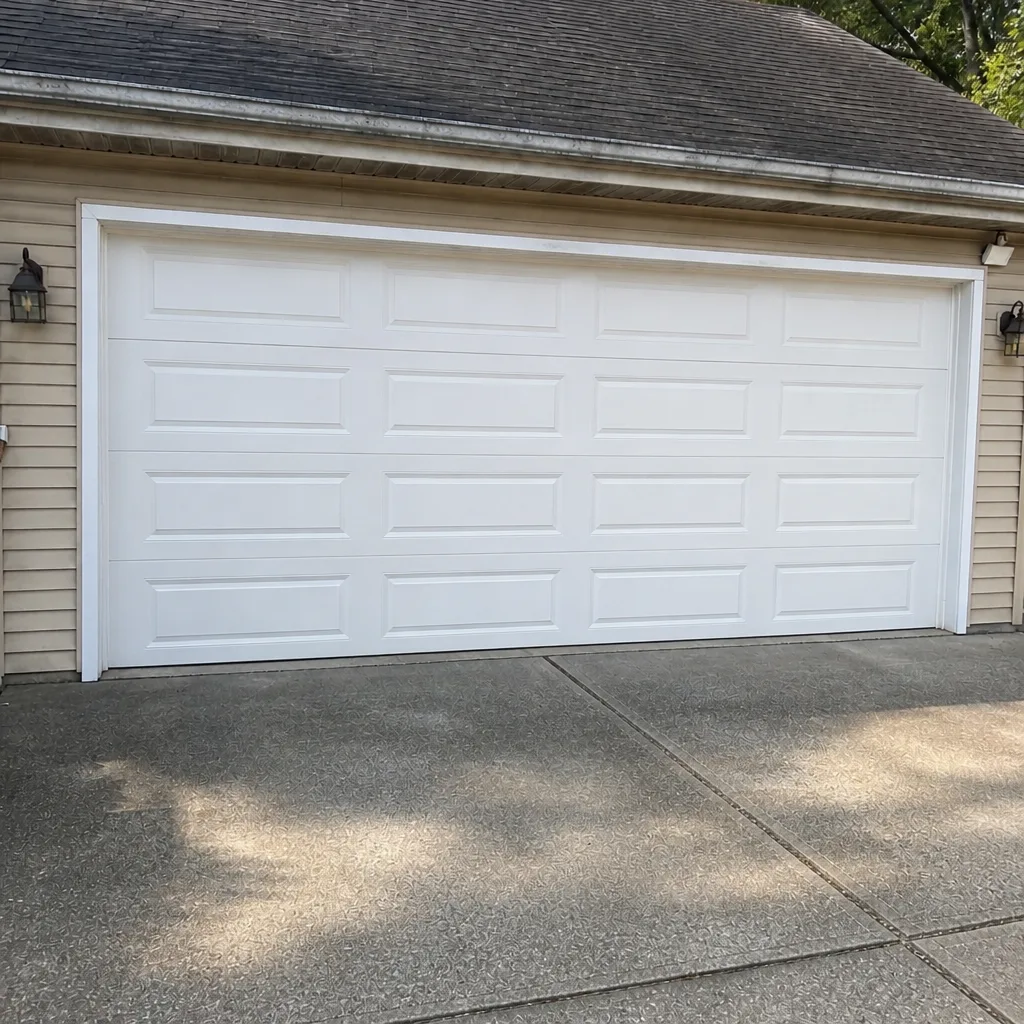 After
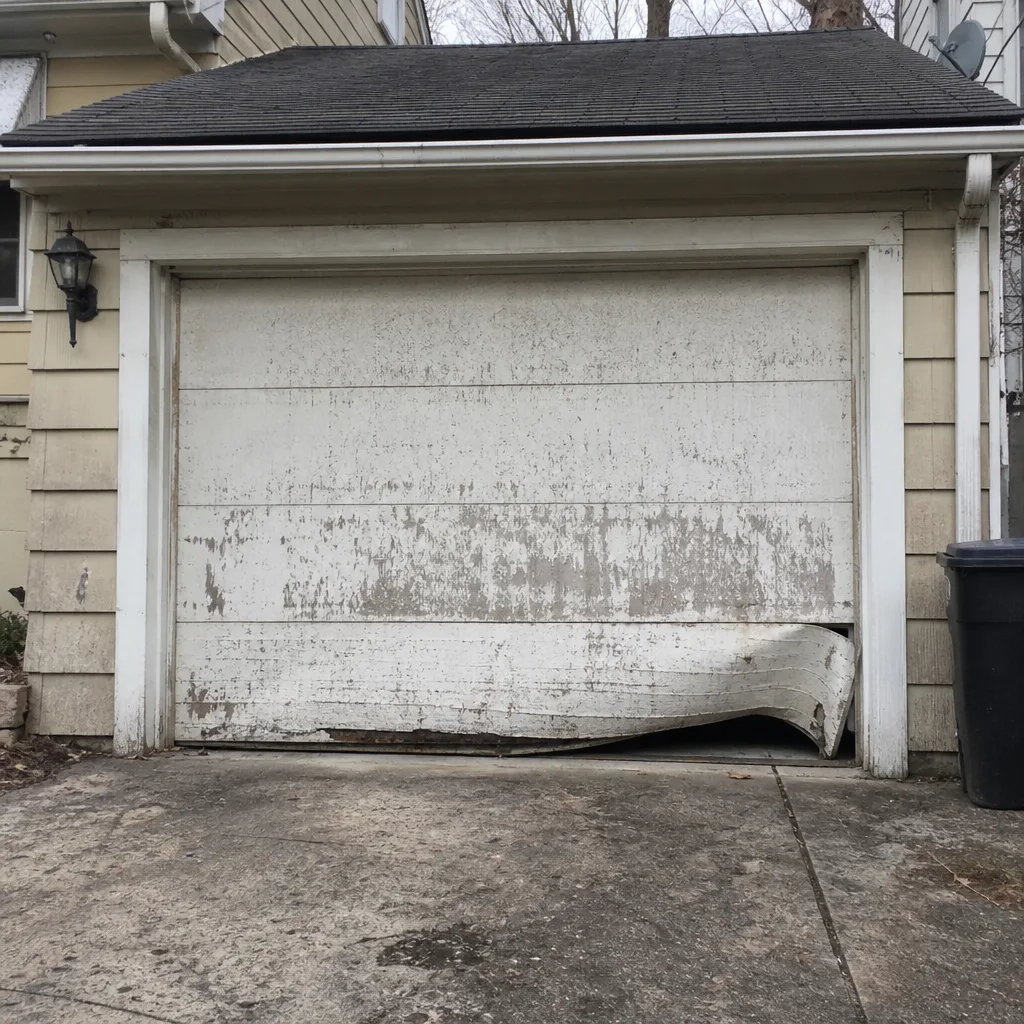 Before
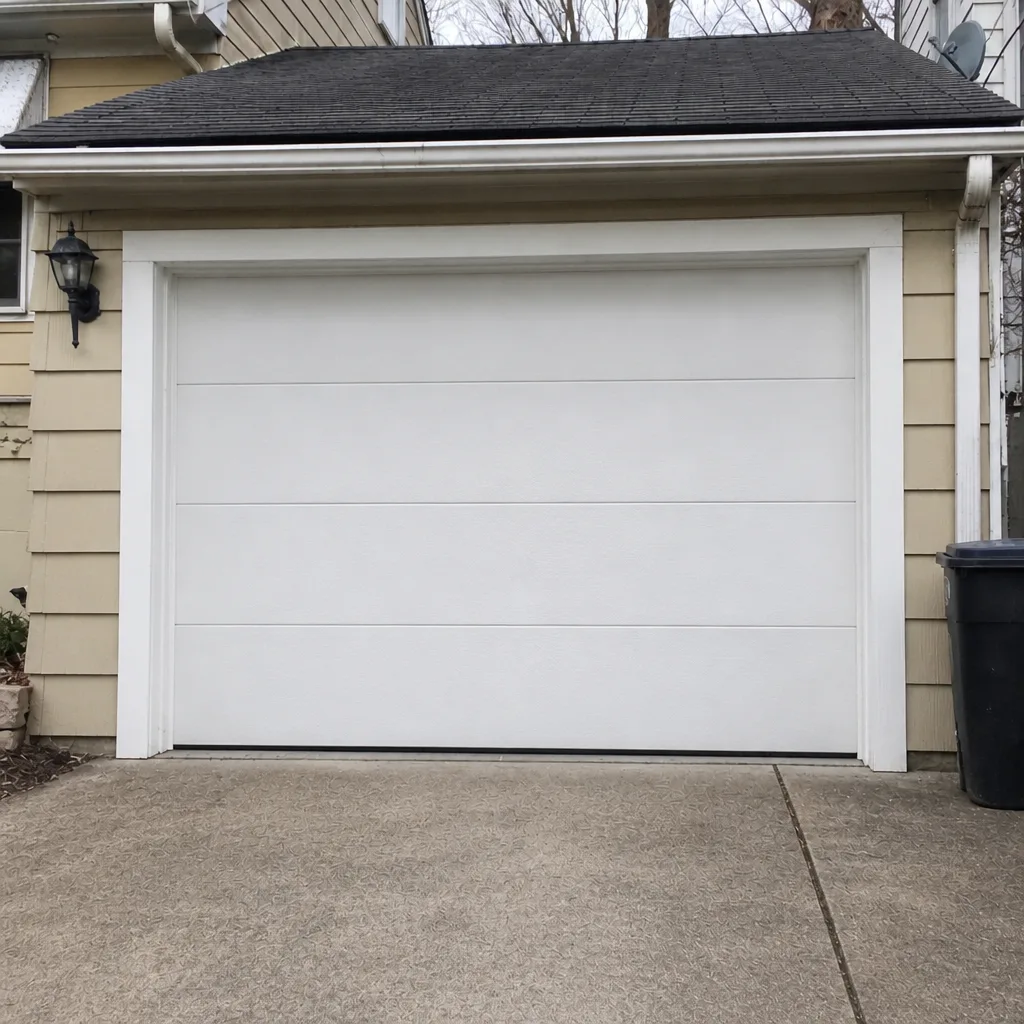 After
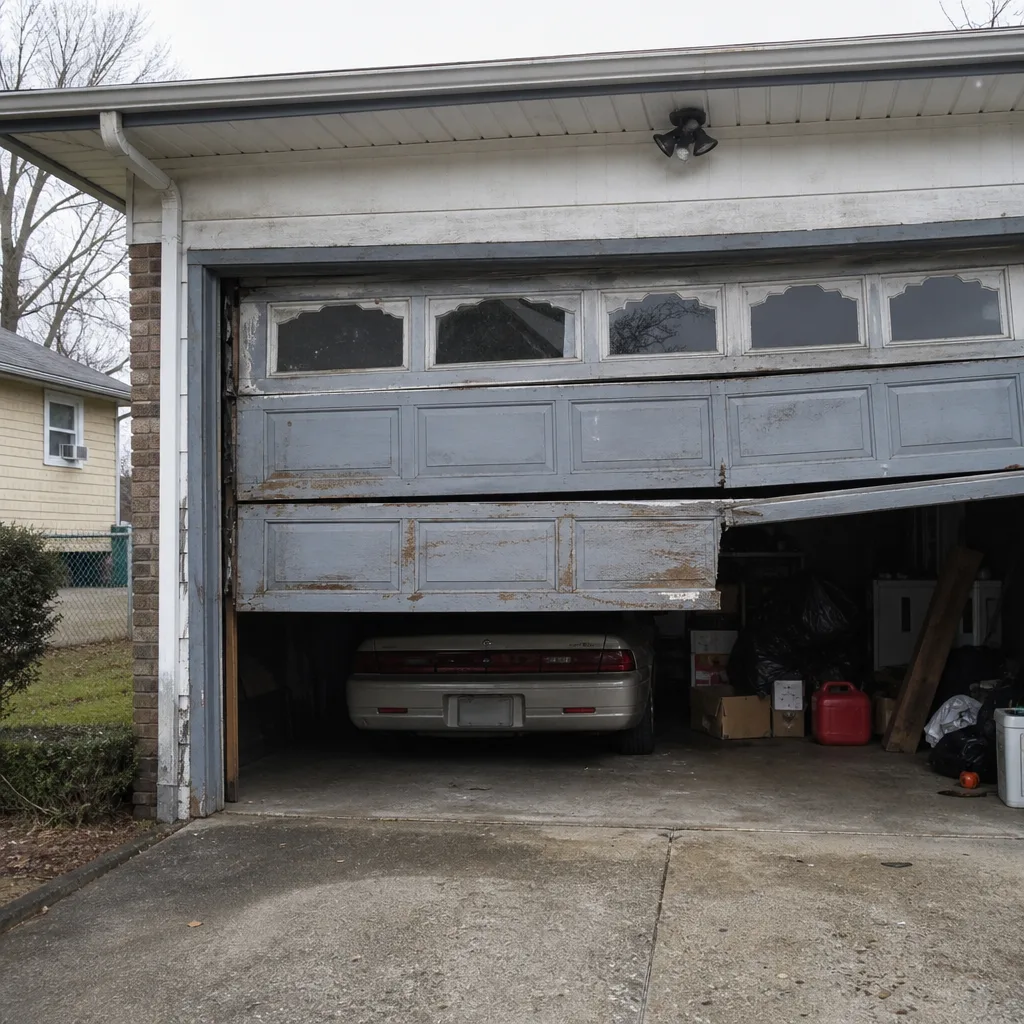 Before
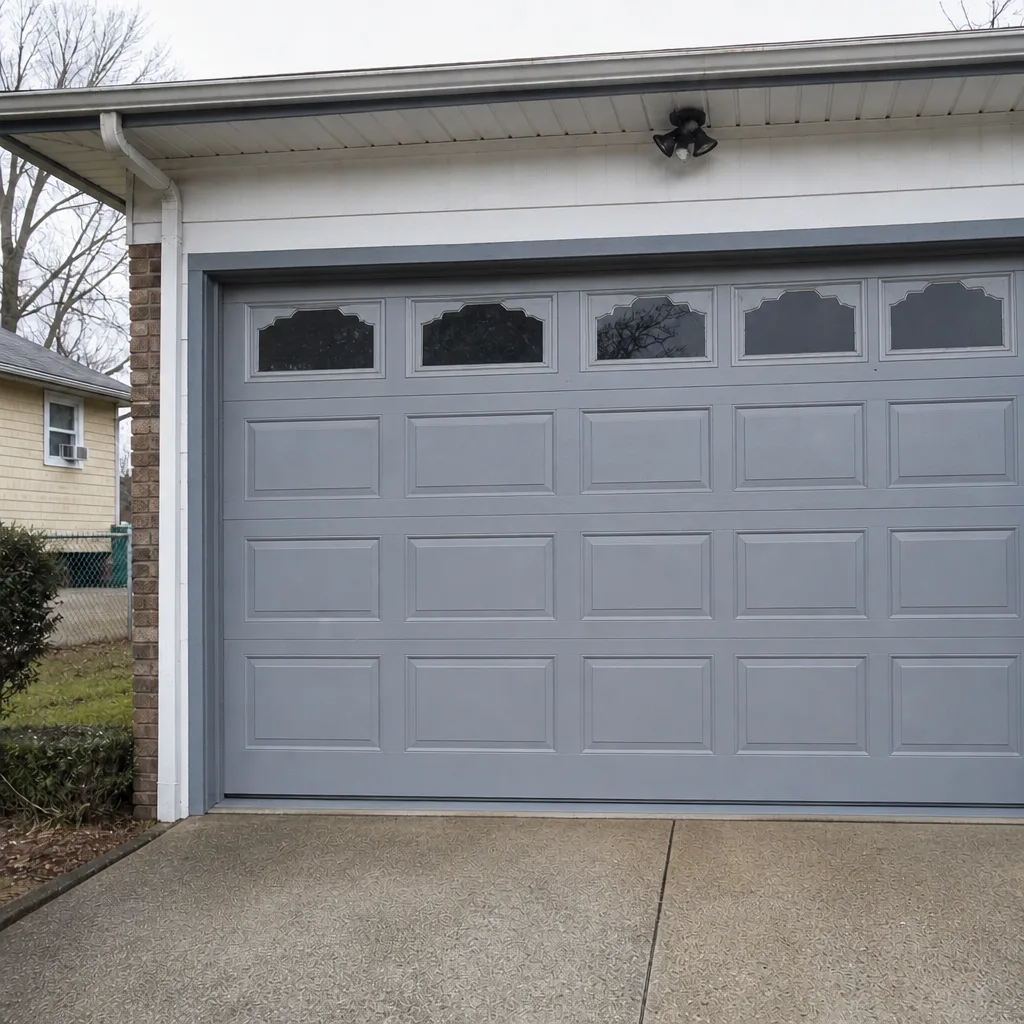 After
Common Mistakes to Avoid
- Waiting for the door to fail before doing anything. A garage door doesn’t usually warn you – it just stops, and it usually picks the worst morning of the year. Fall and spring checks catch the warnings that the door never verbalizes.
- Using WD-40 on the springs and tracks. WD-40 is a solvent, not a lubricant. It displaces moisture briefly and then leaves metal dry. Use a proper garage-door lubricant rated for the temperatures you get in Woodbridge Township.
- Pressure-washing the door after winter. It’s a tempting shortcut for road treatment residue, but pressure washing forces water past seals and strips paint. A garden hose and mild soap is what actually protects the door.
- Tightening every bolt you can find. Loose hardware is common, but overtightening cracks brackets and distorts tracks. Snug is enough; a torque wrench is better than a guess.
- Adjusting the opener’s force limit to “fix” a door that’s binding. That’s masking the real problem – a balance or track issue. It works for a few months and then fails when the door needs more force than the opener can supply.
- Assuming a door that won’t close in January is a broken opener. Frost at the base of the door is one of the most common winter causes of a “failed” opener in Woodbridge Township. Check the floor before you call.
- Trying spring work yourself. Torsion springs are the single riskiest part of the door. The energy stored in one is enough to cause serious injury – and it will if the right procedure isn’t followed.
When to Call a Professional
Some seasonal care is do-it-yourself. Some isn’t. Call for help if you see any of the following: a broken spring (obvious gap in the coil), a sagging door on one side, a door that comes off its tracks, a frayed or kinked cable, a door that reverses for no reason, or an opener that works but the door doesn’t move. All of these are safety issues, and the first two especially are only handled by someone trained to do the work.
Calling early also makes sense for anything you don’t want to tackle – a spring that’s showing early wear signs, hardware that’s rusted solid, an opener that’s behaving unpredictably, or the first sign of a failing belt. Our technicians have up to 10 years of experience across the eight major brands most Woodbridge Township homes actually have: LiftMaster, Chamberlain, Genie, Clopay, Amarr, Wayne Dalton, Craftsman and Raynor. We work on the brand you already have, which means no manufacturer runaround and no upsell to equipment you didn’t ask for.
Woodbridge Garage Door Repair Pros offers free estimates in Woodbridge Township – call (855) 337-1749. We answer 24/7. Fast dispatch from 7am to 7pm, Sunday through Friday. If you’re facing a spring repair that needs more than the seasonal check, our spring repair service is set up for exactly that kind of job. And if you’re at the point where repair is becoming replacement, we can walk you through repair options that won’t turn into an unwanted new door.
Frequently Asked Questions
Twice a year for full inspections, plus a monthly ten-minute walkaround. The two full inspections should land in March (after winter road treatment and freeze-thaw cycles) and October (before the temperature swings start doing their damage on springs and cables). Monthly checks catch the smaller things – a squeak, a loose bolt, a slow seal – before they become repairs.
Because that’s when the final crack happens, not when the failure starts. Spring metal fatigues most during the shoulder seasons, when temperatures swing forty degrees in a week and the metal cycles through repeated stress. The crack forms in fall, spreads slowly, and the final break happens on the coldest morning of the year when the metal is at its most brittle. A fall inspection catches most spring problems before winter turns them into emergencies. Call (855) 337-1749 for a free estimate.
Yes, with a garden hose, mild dish soap and a soft cloth or sponge. Rinse first to loosen the residue, wash with soapy water, wipe hinges and brackets with a damp cloth, dry everything, then reapply lubricant. Don’t use a pressure washer – it forces water past seals and strips paint. Do this in March, right after the last significant snow or road treatment of the year.
Heat expansion is usually the cause. Steel tracks, door panels and rollers expand slightly with summer heat, which can throw off the door’s balance or alignment. The symptoms are a door that hesitates, scrapes or reverses on warm days but runs normally in cooler weather. A quick balance and track adjustment usually fixes it, but repeated seasonal patterns mean the tracks or rollers need professional attention.
No. Torsion and extension springs store enormous energy, and a spring that’s under tension when it fails can cause serious injury. Improperly decompressed springs are one of the most common garage door injuries, even among people who think they know what they’re doing. Spring repair should always be done by a trained technician – it’s one of the few garage door jobs that isn’t a homeowner task. Call (855) 337-1749 for a free estimate.
It’s real. The salt, sand and de-icer mix that ends up on the bottom section of your garage door holds moisture against metal, accelerating corrosion on hinges, brackets and the track’s lower section. On steel doors, it takes the finish off the bottom edge first, which is where water sits anyway. A spring wash prevents most of it, and it’s one of the cheaper maintenance steps of the year.
We service equipment from eight of the most widely installed residential garage door and opener brands: LiftMaster, Chamberlain, Genie, Clopay, Amarr, Wayne Dalton, Craftsman and Raynor. That includes both legacy mechanical openers and current smart-openers like LiftMaster’s myQ and Genie’s Aladdin. We work on the brand you already have rather than steering you toward one manufacturer’s product line. For opener repair specifically, this matters most when a smart-home setup needs diagnosing alongside the door itself. Call (855) 337-1749 – estimates are free, and we answer 24/7.
The Bottom Line
Garage door failures in Woodbridge Township don’t come out of nowhere. They’re the result of a climate that stresses the door in every season, and they’re almost always preventable with two proper inspections and a monthly ten-minute check. March and October are the two months that do the most work for you. Fall catches spring and cable wear before winter breaks them. Spring catches road treatment residue before corrosion spreads. Monthly checks catch everything else. None of this requires special tools – just a habit. Where spring, cable or track work is involved, leave it to a technician who’s done it before. Everything else, you can run yourself. And when in doubt, call.
Ready to schedule a seasonal inspection or get a professional eye on your door? Call Woodbridge Garage Door Repair Pros at (855) 337-1749 for a free estimate. We answer 24/7. Fast dispatch from 7am to 7pm, Sunday through Friday. For the full range of what we cover in Woodbridge Township, start at Woodbridge Garage Door Repair Pros – and if you’re comparing timing against the seasonal cycle in nearby communities, our team can walk you through it.
Written by the team at Woodbridge Garage Door Repair Pros.