
Last updated November 23, 2026
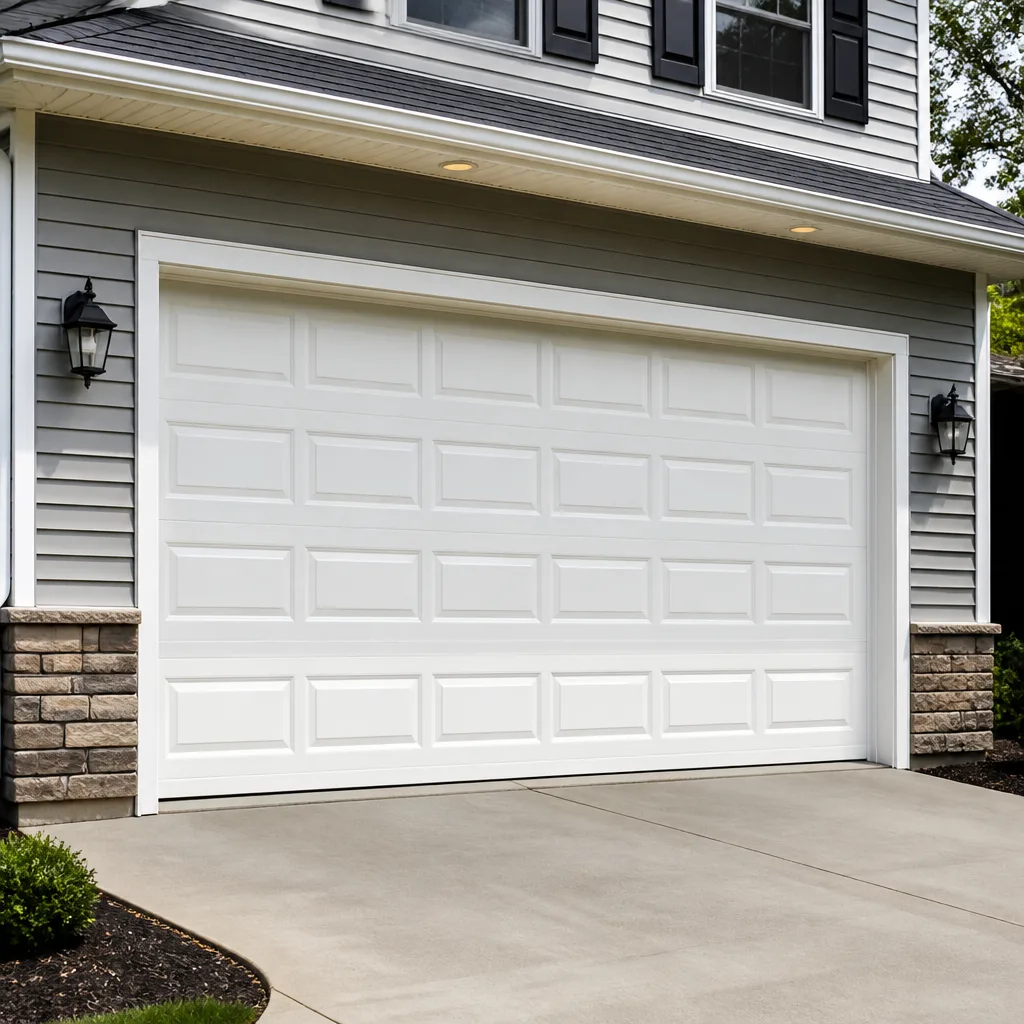 Raised-panel steel
 Carriage house
 Modern flush
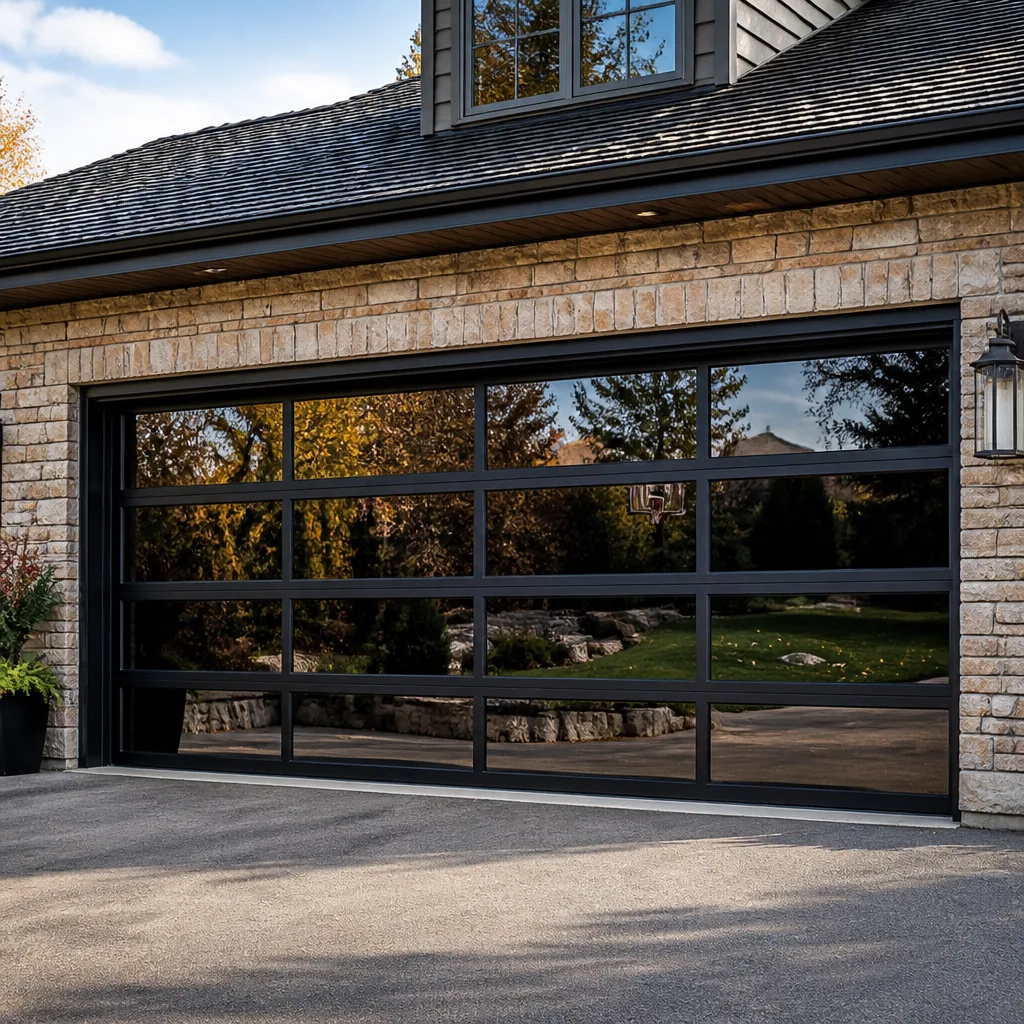 Full-view glass
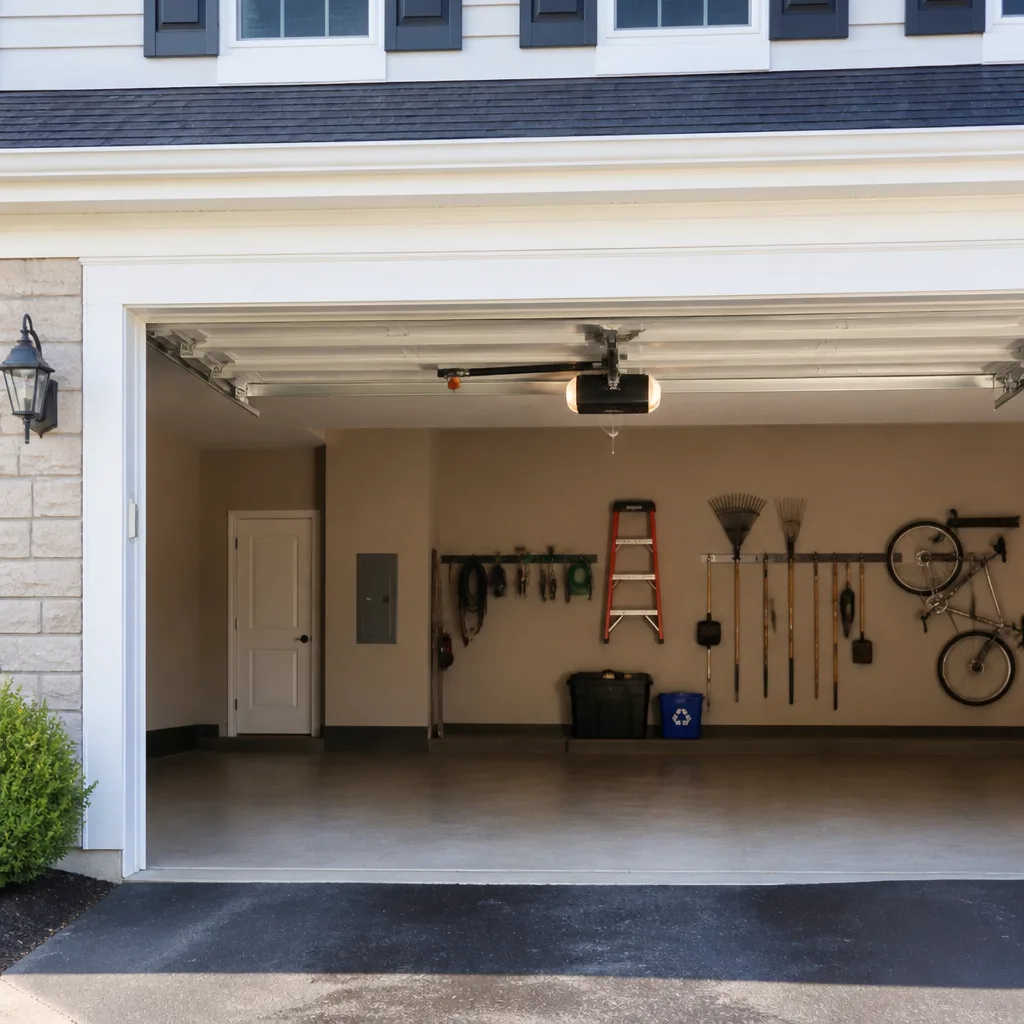 LiftMaster openers
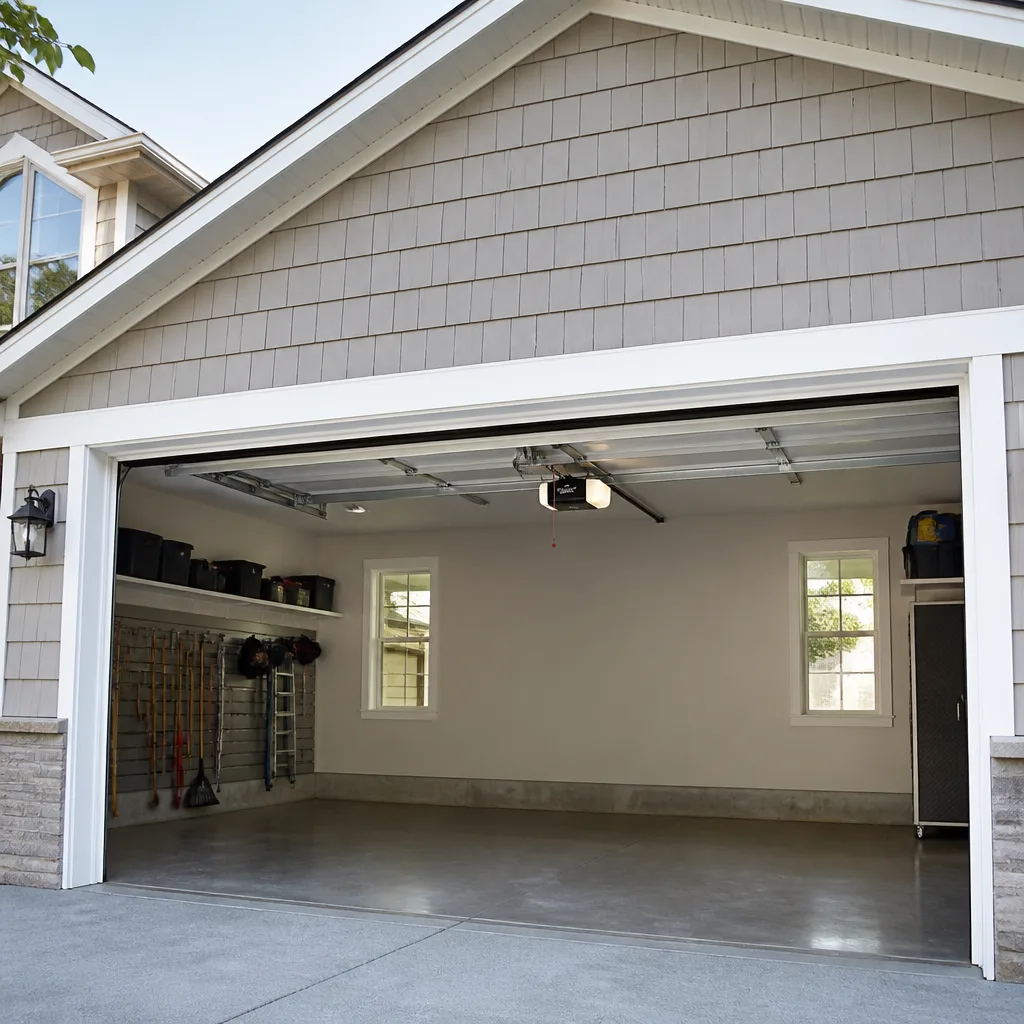 Chamberlain openers
Full 25-point door and opener safety check with every visit - springs, cables, rollers, tracks, and your LiftMaster or Chamberlain opener included
You get a price before we start. It does not change when the pro arrives.
Get your free estimateGarage Door Repair Maintenance Checklist for Woodbridge Township Homeowners
A generic maintenance checklist is just liability dressed up as advice. Telling a homeowner to “check the springs” without saying what a failing spring actually looks like, or that a torsion spring sits under enough stored torque to cause serious injury if it lets go, isn’t helpful. It’s noise. Worse, it gets people hurt. Your garage door is your home’s largest moving part, and in Woodbridge Township it takes a beating most checklists never account for: road salt tracked out of the Parkway garage every winter, humidity that swells wooden jambs and stiffens rollers all August, and freeze cycles in January that tighten cables and stress hinges. This guide sorts the work into what you can safely do yourself and what needs a trained technician, and explains the reason for every line.
Styles & brands we work with
- Raised-panel steel
- Carriage house
- Modern flush
- Full-view glass
- LiftMaster openers
- Chamberlain openers
Quick Answer
A look at your garage door once a month and a deeper check twice a year is enough to catch most failures before they happen. Lubricate rollers, hinges and tracks yourself, keep the door balanced and the photo-eye aligned, and clean the weatherstripping, but leave anything involving springs, cables or the high-voltage side of the opener to a trained technician.
Table of Contents
- Why a Woodbridge Township Garage Door Needs Its Own Checklist
- Safe DIY Tasks: What You Can Do Yourself
- Technician-Only Tasks: What Never to Touch
- New Jersey Maintenance Triggers by Season
- How to Inspect a Torsion Spring Without Touching It
- Opener Maintenance by Drive Type
- Building a Maintenance Log That Holds Up
- Common Mistakes to Avoid
- When to Call a Professional
- Frequently Asked Questions
- The Bottom Line
Why a Woodbridge Township Garage Door Needs Its Own Checklist
Woodbridge Township covers a lot of ground, from the older colonials of Fords and Hopelawn to the newer construction around Iselin and Colonia, and the garages on those homes are not facing the same conditions. A door on a house near Route 1 or the Garden State Parkway sits closer to the road spray and road salt that ride on a car’s undercarriage and settle on rollers, hinges and the bottom section every winter. A door on a quieter street off Rahway Avenue sees less of that, but it still faces the same August humidity and January thaw.
That matters because garage door parts don’t fail in a vacuum. Steel bottom sections rust where salt sits against them. Wooden door frames and jamb trim swell in humid weather and can bind a door that rolled fine in April. Cables contract in a hard cold snap, and a roller with a dry bearing turns into a flat-spotted roller by spring. If you maintain on a calendar instead of on the weather, you’ll be reacting to problems instead of preventing them.
Our technicians have up to 10 years of experience working on Woodbridge Township doors, and the pattern is consistent: a door that gets a monthly wipe-down and a twice-a-year lubrication check lasts noticeably longer than one that only gets attention when something breaks. If a problem does outrun the checklist, the starting point is garage door repair rather than guesswork.
Safe DIY Tasks: What You Can Do Yourself
Roughly two-thirds of the checks in a good maintenance routine are things any careful homeowner can do with a rag, a ladder, and a can of lubricant. These tasks don’t require you to defeat stored mechanical force or open an electrical box, and they don’t put you under tension. Do them once a month, and do a fuller version twice a year.
- Wipe down the tracks. Run a damp cloth along both tracks to clear grit, salt dust and cobwebs. Use a light spray lubricant on the track surface only if it’s a dry-type product meant for it; heavy grease attracts dirt and gums up the rollers.
- Lubricate hinges, rollers and the pivot points. A garage door lubricant (a white lithium or silicone type) on each hinge knuckle and each roller stem keeps the door quiet and cuts wear. Don’t put lubricant on the track itself as a habit, and never put it on a torsion spring’s coils.
- Check the balance. Disconnect the opener (usually a pull cord on the trolley), lift the door about halfway, and let it go. A balanced door stays put. If it drifts down on its own or slams up, the spring tension is off and that’s a technician call, not a DIY fix.
- Test the auto-reverse safety. Put a roll of paper towels or a 2×4 flat on the floor in the door’s path and close the door. It should reverse on contact. Also press the photo-eye button and confirm the door reverses when you pass an object through the beam.
- Clean and inspect the weatherstripping. Wipe the bottom rubber seal and the perimeter trim, and check for cracks, hardening or gaps. In Woodbridge Township the bottom seal takes the worst of the salt and slush, and a stiff seal lets cold air and water in.
- Look and listen. Stand back and watch the door travel. It should move smoothly and evenly on both sides. Any jerking, a door that hangs on one side, or a squeal that lubrication doesn’t fix is a signal to stop and get eyes on it.
None of these tasks requires you to loosen a cable, remove a bracket, or put a tool on a spring. Keep it that way.
Technician-Only Tasks: What Never to Touch
Some of a garage door is safe to handle and some of it is genuinely dangerous. The difference is stored energy. Springs and cables hold a door’s full weight and are under tension every second the door is down. Touching them without the right tools, the right winding bars and the training to use them can cause serious injury, and this is the single most commonly botched repair in the trade. Our garage door spring repair work exists because too many people try this themselves and get hurt.
Leave these to a trained technician, every time:
- Torsion spring adjustment, replacement or winding. A torsion spring stores the energy that lifts the door. Never try to wind, unwind or remove one yourself.
- Cable replacement and re-tensioning. Cables run under high tension and can whip if released. A frayed cable is a call, not a project.
- Track realignment. Bending a track back into true is fussier than it looks, and a track that binds a roller can bend the door panel.
- Opener gear, capacitor and wiring work. This means anything past the wall outlet, plus the drive gears and logic board. There’s high voltage and stored charge inside.
- Replacing a door section or roller that requires relieving tension. If the fix needs the door off its spring tension, it’s a technician job.
When you’re not sure whether a task is safe, treat it as technician-only. That instinct is right far more often than it’s wrong.
New Jersey Maintenance Triggers by Season
A calendar checklist says “check the door in spring and fall.” A better checklist ties each task to a condition. Here’s how the New Jersey year actually breaks down for a Woodbridge Township garage door.
Winter: road salt and freeze cycles
Road salt is the big one. As cars pull in and out, salt-laden slush dries on the bottom section, rollers and hinges. Wipe the bottom of the door and the lower hardware every couple of weeks in salt season, and rinse the door bottom when the weather allows. A hard freeze after a wet day can tighten cables and stiffen the bottom seal. If the door feels sluggish on the coldest mornings, that’s normal, but a door that won’t close is a Woodbridge Garage Door Repair Pros call.
Spring: the post-winter inspection
Once the salt is off the roads, do the deep version of the checklist. That’s when salt damage, seal cracks and a door that’s drifted out of balance all show up. This is also the best time to check the opener’s force settings.
Summer: August humidity
Humidity swells wooden jambs and trim, which can bind a door that tracked fine in May. It also makes metal hardware sweat. Wipe down hinges and roller stems, and watch the door’s travel for any binding on the frame side. Wooden doors in older Woodbridge Township homes feel this most.
Fall: pre-winter prep
Before the first freeze, lubricate everything, check the bottom seal for hardening, and test the auto-reverse. A door that barely seals in October will leak cold air all winter.
How to Inspect a Torsion Spring Without Touching It
You can learn a lot about a torsion spring from a safe distance, and that’s worth doing once a month. Stand on the floor, look up at the spring above the door, and note its condition. What you’re looking for are fatigue signs, not a diagnosis you perform with your hands.
Here’s what a failing spring looks like from the ground:
- A visible gap. A clean break anywhere along the coil is a full failure. The door will feel extremely heavy and the opener may strain or stall.
- Fine cracks or a bright line near the end of the coil or along the wire. Fatigue shows up as a thin separation before a full break.
- Stretched or deformed coils. Uneven spacing or a coil that looks stretched means the spring is losing tension.
- Rust pitting. Salt exposure pits the wire and weakens it. Pitted springs fail sooner.
- A door that feels heavy or drifts down on its own when you do the balance test. That’s a tension problem, and it needs a technician.
If you see any of these, stop using the door and get it looked at. A technician can tell you whether a single spring or a matched pair needs replacing. If the pair is being replaced together, that’s the right call, and the estimate will reflect both springs. Don’t try to remove or adjust the spring yourself. The stored energy in a torsion spring can be large enough to cause serious injury in an instant. Call us and we’ll take it from there.
Opener Maintenance by Drive Type
Woodbridge Township homes run the full range of openers, and each drive type wears differently. Knowing which one you have tells you what to watch for. Our garage door opener repair work covers all of them, and we’re fluent in current smart platforms like LiftMaster’s myQ along with legacy mechanical units.
Chain drive
Common in older homes, chain drives are durable but noisy. Watch for a loose chain (it should have slight slack, not hang) and listen for a grinding sound, which points to a worn sprocket or gear. Keep the chain lightly lubricated, not packed with grease.
Belt drive
Quieter and often found in newer Woodbridge Township construction, belt drives are smooth when the belt is healthy. A fraying or glazed belt will squeal or slip, and the motor will strain. Check the belt tension once a year.
Screw drive
A threaded rod drives these, and it needs periodic greasing with the right lubricant. A dry screw drive gets noisy fast and wears the carriage. If it starts grinding, get it looked at before the motor takes the strain.
Modern connected openers, whether a LiftMaster or Chamberlain unit, carry a small logic board and often a battery backup. Keep the unit dry, don’t open the housing, and if the app or remote stops responding, check the outlet and the safety sensors before assuming the opener itself is the problem.
Building a Maintenance Log That Holds Up
A log isn’t bureaucracy. It’s the thing that answers a warranty question or an insurance question months later when nobody remembers what was done and when. Keep it simple and consistent. A notebook taped to the inside of the garage door frame works fine. A spreadsheet works too.
For each entry, record:
- Date. Every task gets the date it was done.
- Task performed. “Lubricated rollers and hinges,” “cleaned tracks,” “tested auto-reverse,” “inspected spring.”
- Condition noted. Cracked bottom seal, stiff roller, fraying cable, rust on the bottom section. Note it even if you don’t fix it immediately.
- Who did it. You, or the technician and the company name.
- Parts replaced. Spring, roller, opener gear, seal, along with the date.
- Cost or estimate reference. Keep the written estimate with the log entry.
The point of the “who did it” line is that if a warranty question comes up, the record shows whether a repair was within scope. If you’re ever asked to prove the door was maintained, a dated log is far stronger than a memory. Our technicians can note the service on the job and you can log it alongside.
Common Mistakes to Avoid
- Lubricating the torsion spring. Spring coils don’t need grease, and putting lubricant on them attracts grit that wears the wire faster. The advice to “lubricate the springs” is vague and often wrong. Leave the spring alone.
- Using WD-40 or heavy grease on the rollers and tracks. A light garage-door lubricant is what you want. Heavy grease collects salt dust and dirt, and by winter it’s a grinding paste.
- Skipping the salt-season wipe down. Road salt sitting on the bottom section through a Woodbridge Township winter eats paint and steel. It takes five minutes to wipe it down, and it’s the cheapest rust protection there is.
- Adjusting the opener force to “fix” a heavy door. Turning up the opener’s force setting to move a door that won’t lift is the wrong fix. It hides a spring problem and strains the motor.
- Binding the safety reverse. Never tape or bypass the photo-eye or the mechanical reverse. Those are safety systems, and they’re tested for a reason.
- Trying to remove a cable or spring as a weekend project. The most costly mistake in the trade. Cables and springs are trained-technician territory.
- Ignoring the balance test. A door that drifts down on its own has lost tension. Catching it early is the difference between a simple adjustment and a full spring replacement.
When to Call a Professional
Some things you call about, and some things you call about right now. Call us if the door is off its track, if a spring has visibly broken or the door suddenly feels extremely heavy, if a cable is frayed or hanging, if the opener won’t move the door or the door won’t close, or if you’re locked out because the door won’t open. If the door won’t close and it’s the only way into the house, that’s the reason our emergency garage door service exists. We build it as a core offering, not an afterthought, and it covers doors stuck open as well as doors stuck shut.
When you call, tell us the door type, the opener make, and what’s happening. LiftMaster, Chamberlain, Genie, Clopay, Amarr, Wayne Dalton, Craftsman and Raynor are all brands we work on regularly, so you’re not calling a single-brand shop that wants to replace what you already own. Woodbridge Garage Door Repair Pros offers free estimates in Woodbridge Township. Call (855) 337-1749. We answer 24/7. Fast dispatch from 7am to 7pm, Sunday through Friday, and we’re closed Saturday. Every price is quoted and agreed before any work starts.
Frequently Asked Questions
Once a month for a quick visual and lubrication check, and a deeper inspection twice a year before winter and after it. The Woodbridge Township climate gives you a salt-heavy winter and a humid August, so wiping down the bottom section and hardware monthly through salt season is worth the five minutes. Anything involving springs or cables is a technician call, not part of the routine check.
No. Torsion springs sit under tension and don’t need lubrication. A spring that’s seized or noisy is telling you something, and a technician should look at it. Do not put a tool or your hands on a spring. Our garage door spring repair is a dedicated specialty because this is the repair most often done wrong.
Look from the floor for a visible gap, fine cracks, stretched coils or rust pitting. A door that feels unusually heavy or drifts down on its own in the balance test is another warning sign. If you see any of these, stop using the door and call (855) 337-1749. We answer 24/7. Estimates are free.
Keep the unit dry, check the safety sensors and photo-eye, test the auto-reverse monthly, and don’t open the housing. Belt, chain and screw drive units each need their own lubrication and tension checks, and we inspect whichever drive type you have. If a connected opener stops responding, check the power outlet and sensors first before assuming the opener itself has failed.
Yes. A dated log showing what was done, by whom, and when tells the whole story months later. Keep the written estimate with the entry. It’s a simple habit that answers questions a memory can’t.
Yes. A door that’s the primary entry gets opened far more often, so hinges, rollers and the opener cycle harder. Watch the balance and the auto-reverse more frequently, and expect the rollers and hinges to need attention sooner. That frequency is exactly why a monthly look and a log entry matter.
The Bottom Line
Good garage door maintenance is mainly about knowing which tasks are yours and which aren’t. You can safely handle lubrication, track cleaning, the balance test, the auto-reverse test and the weatherstripping. Springs, cables, track realignment and opener internals belong to a trained technician, and no checklist should tell you otherwise. In Woodbridge Township, tie the work to the weather: road salt in winter, humidity in August, and a thorough inspection between the two. Keep a dated log, keep the written estimates, and call when the balance test or a spring inspection gives you a reason. If you’d rather have us walk through it with you, Woodbridge Garage Door Repair Pros is here to help. Call (855) 337-1749 for a free estimate. We answer 24/7. Fast dispatch from 7am to 7pm, Sunday through Friday, and we’re closed Saturday.
Written by the team at Woodbridge Garage Door Repair Pros.
See the difference
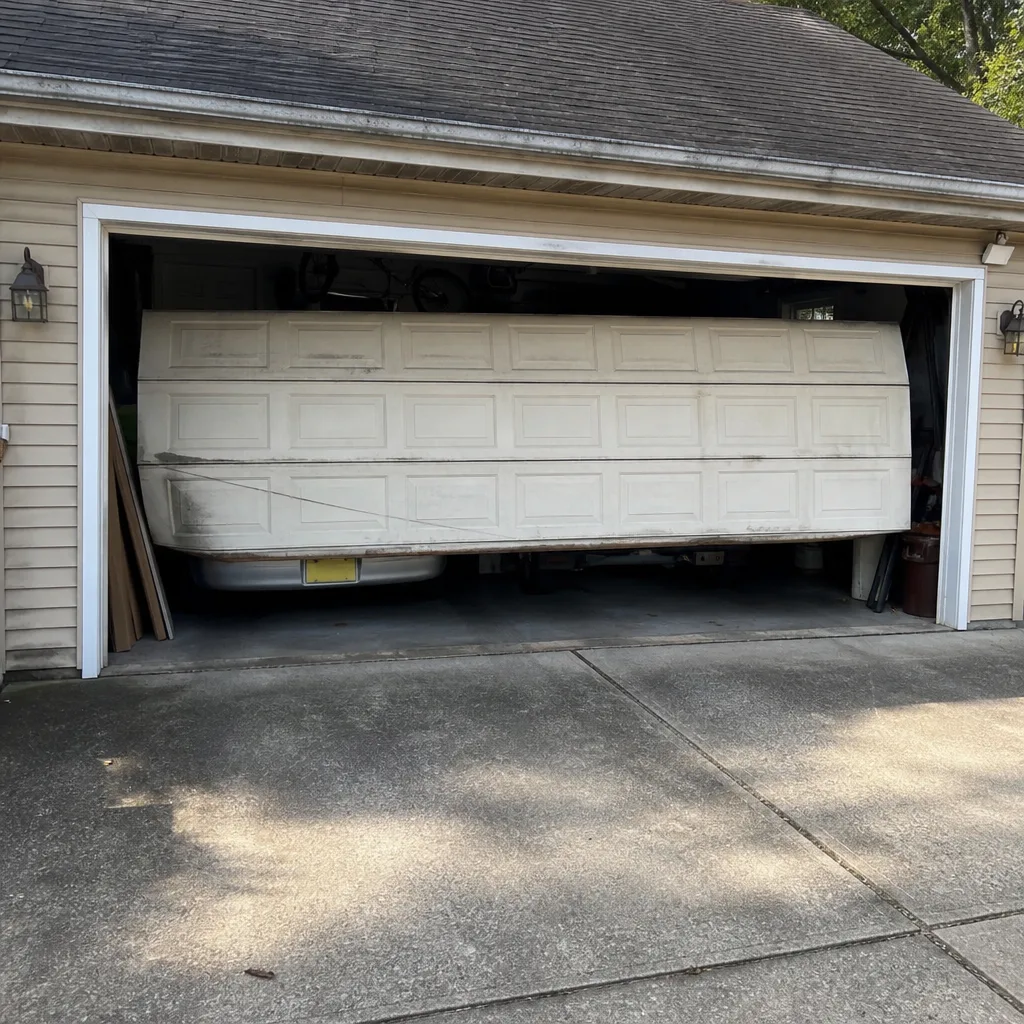 Before
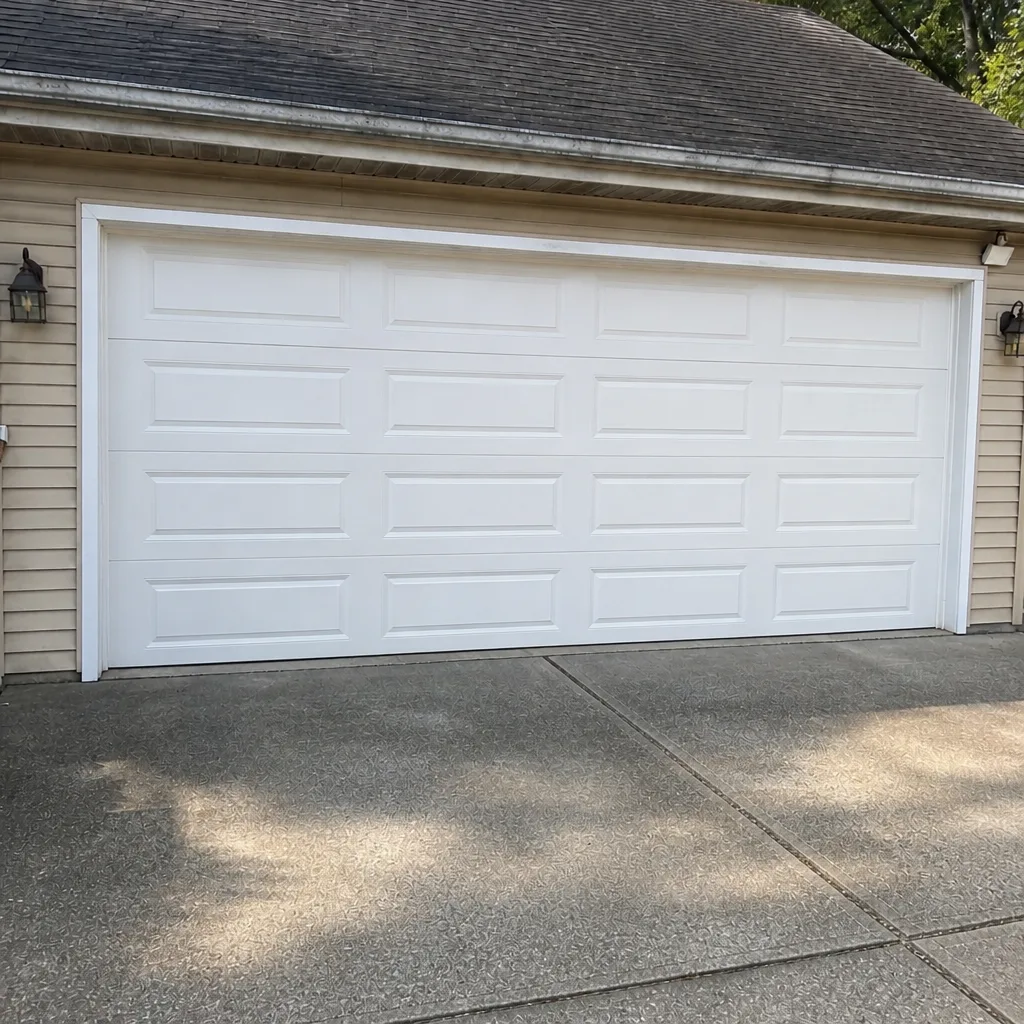 After
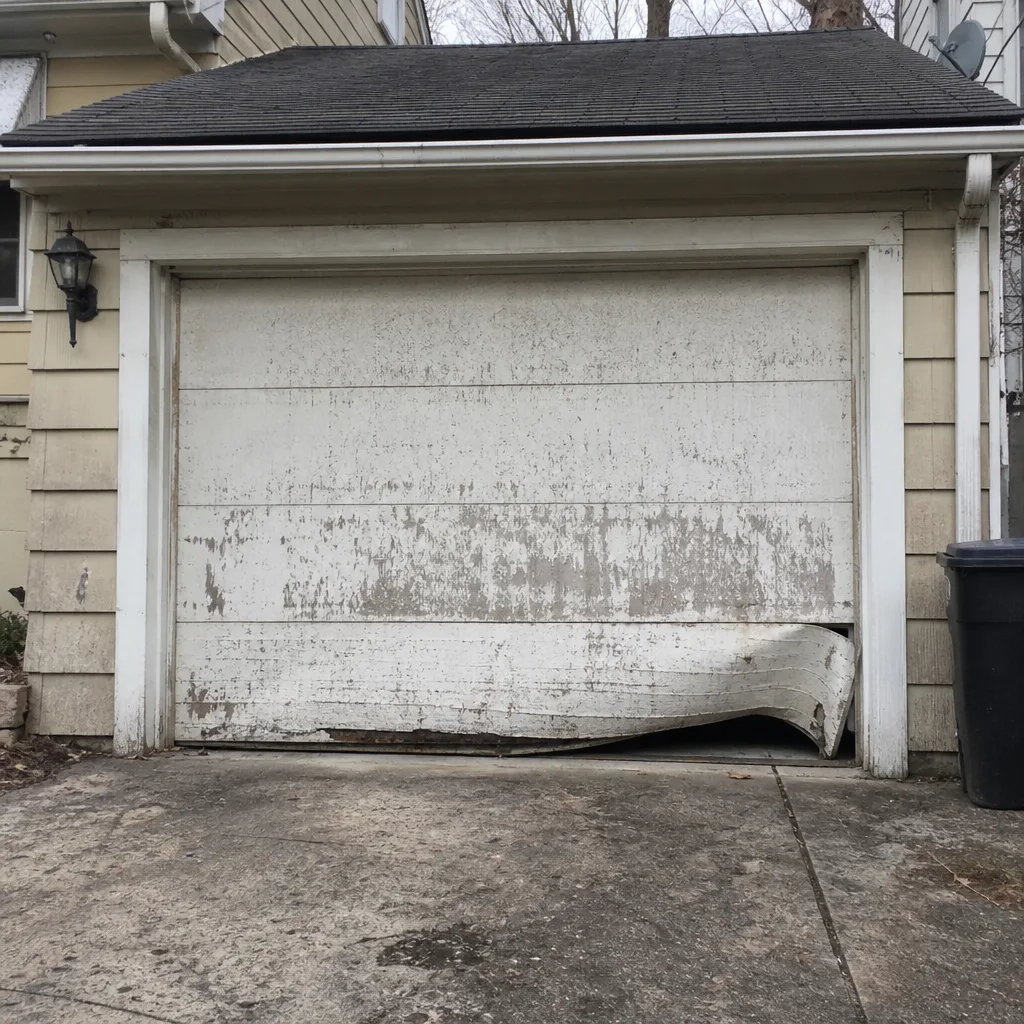 Before
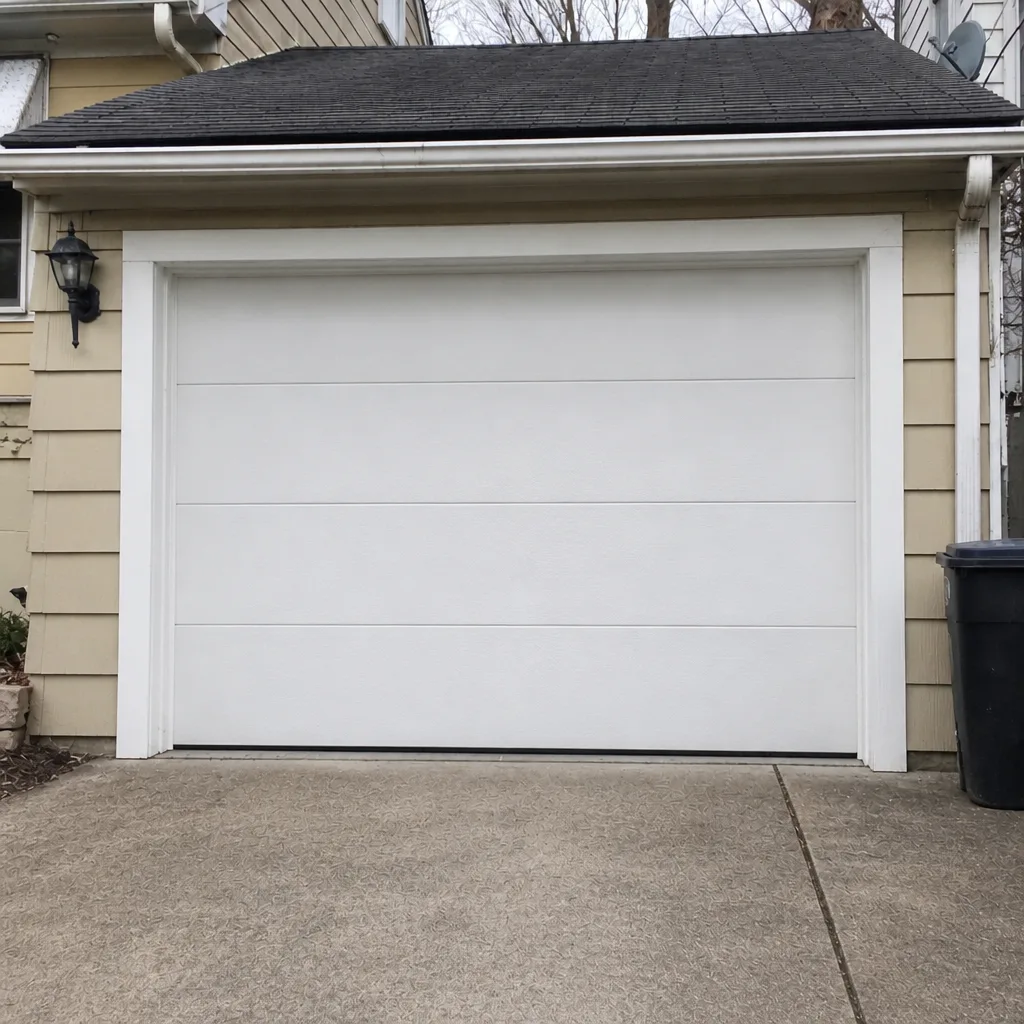 After
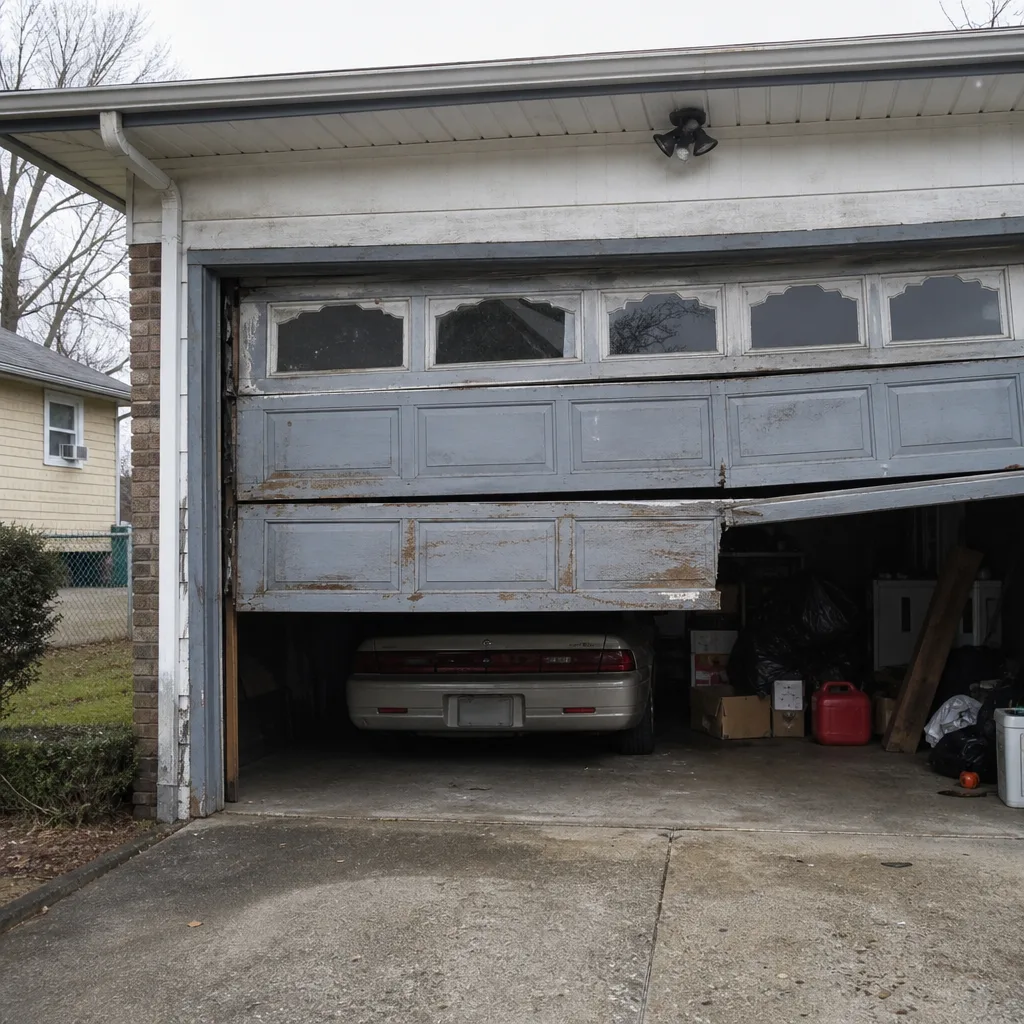 Before
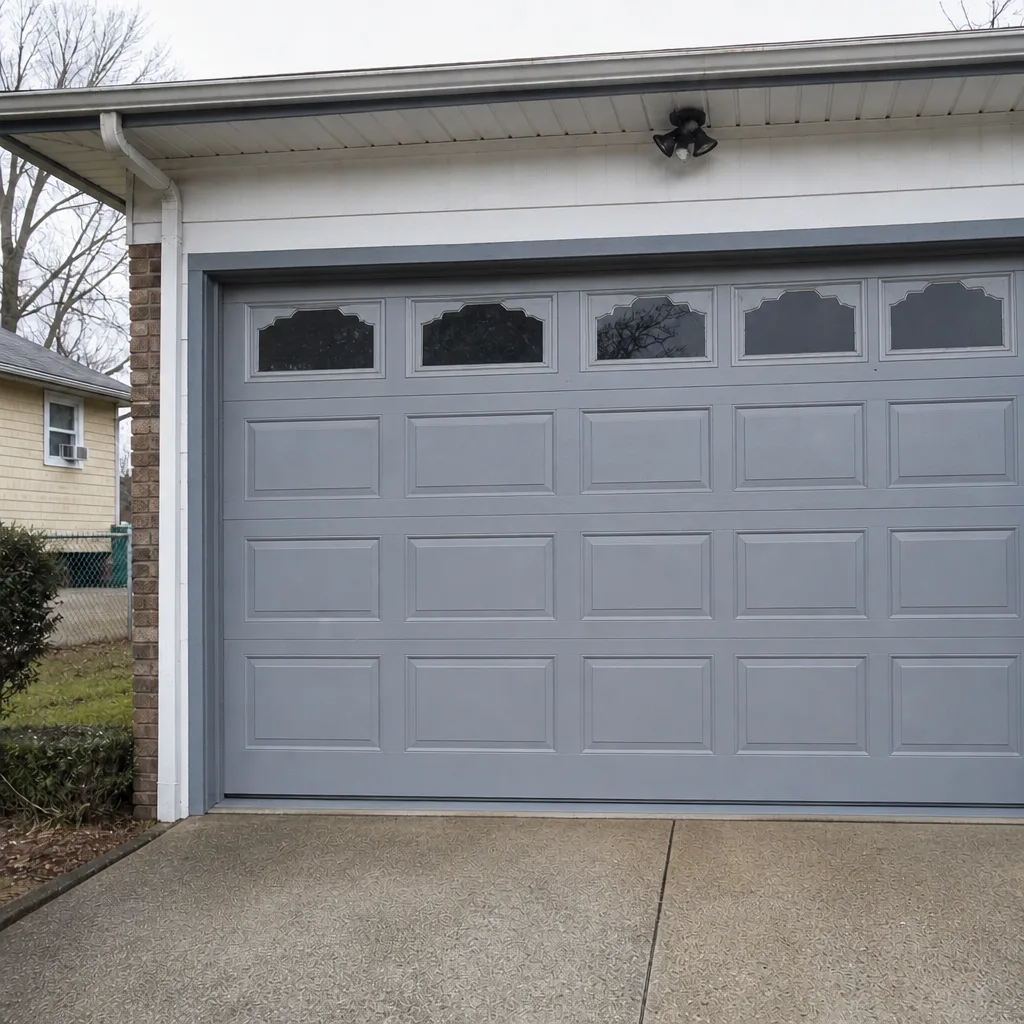 After