
Last updated November 23, 2026
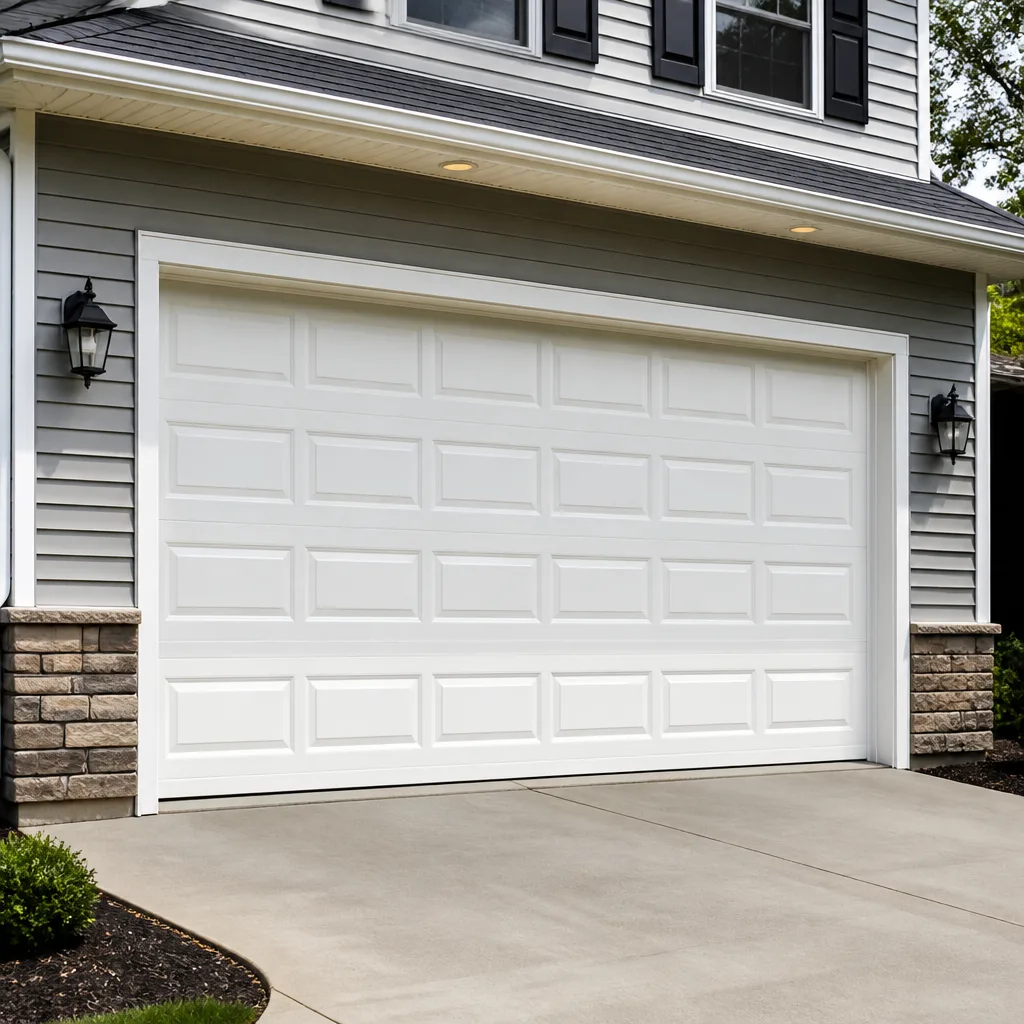 Raised-panel steel
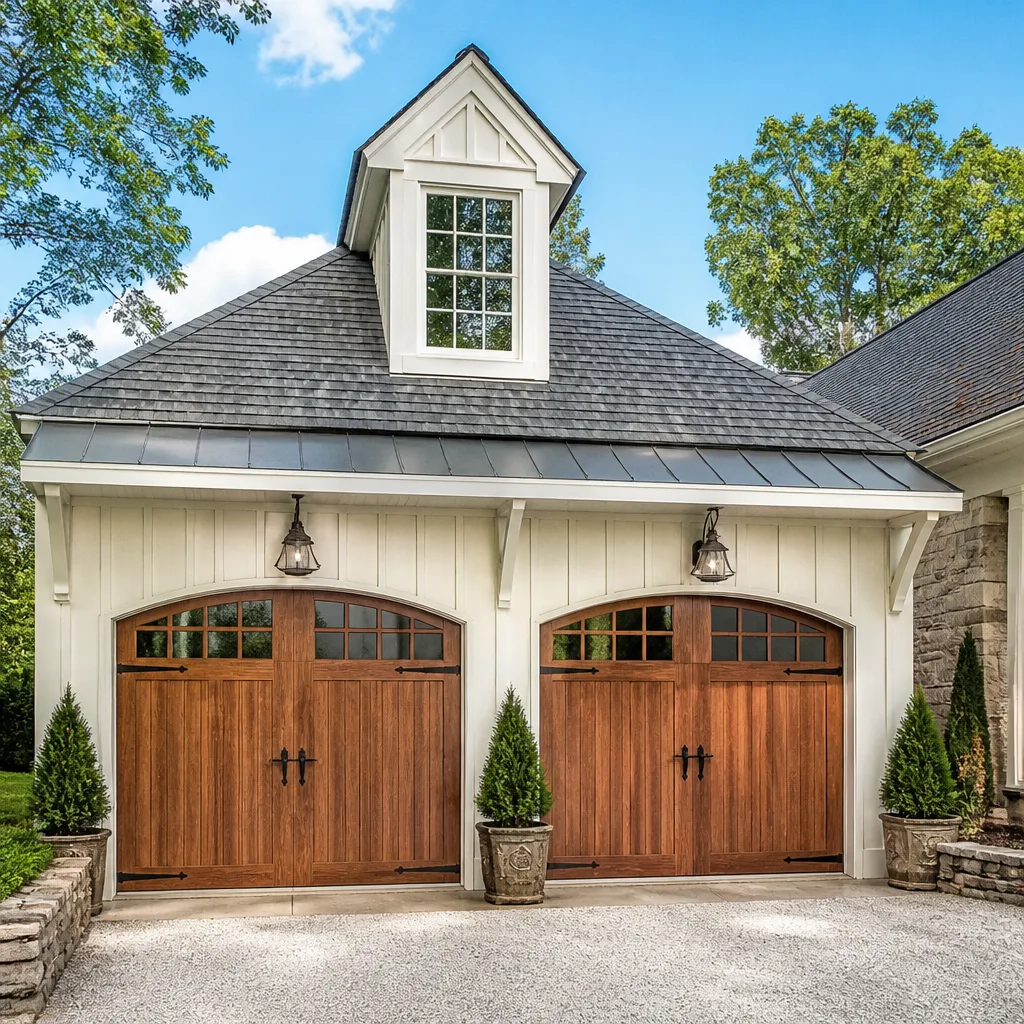 Carriage house
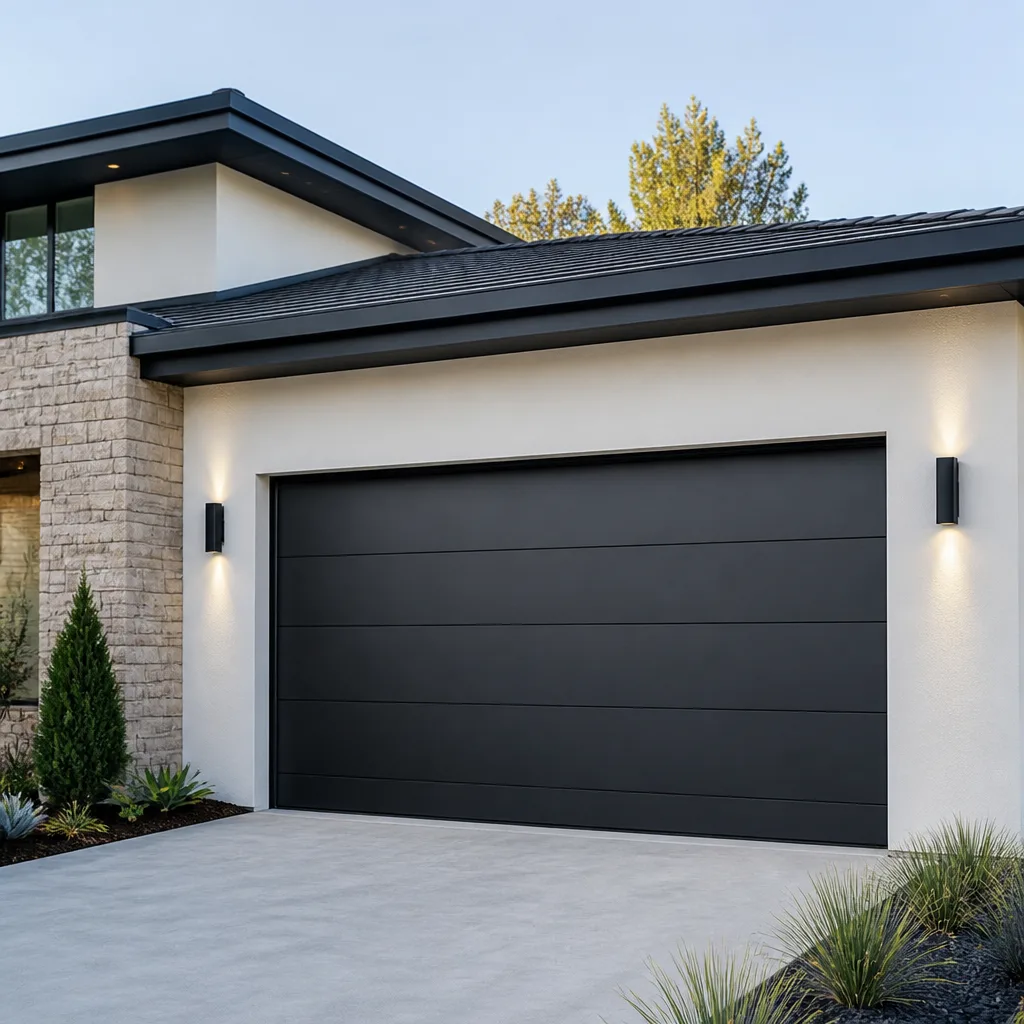 Modern flush
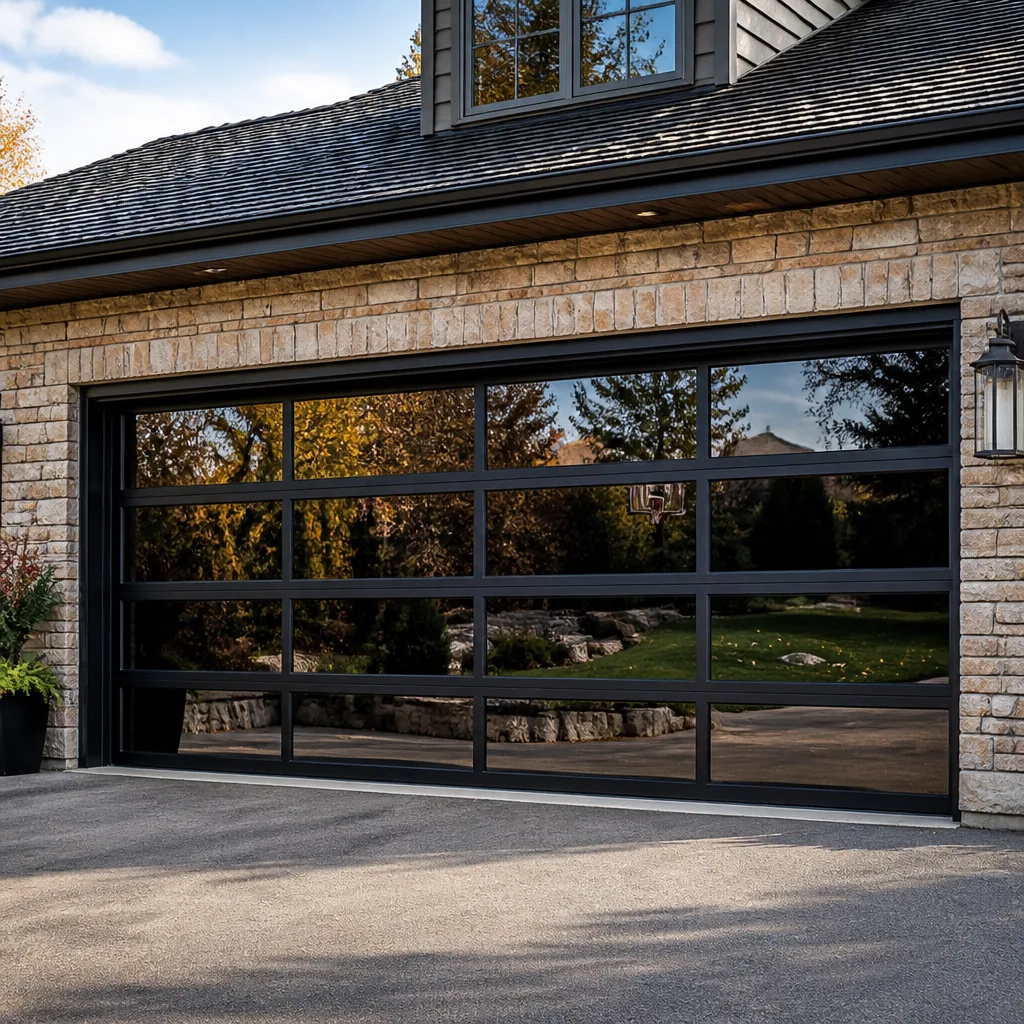 Full-view glass
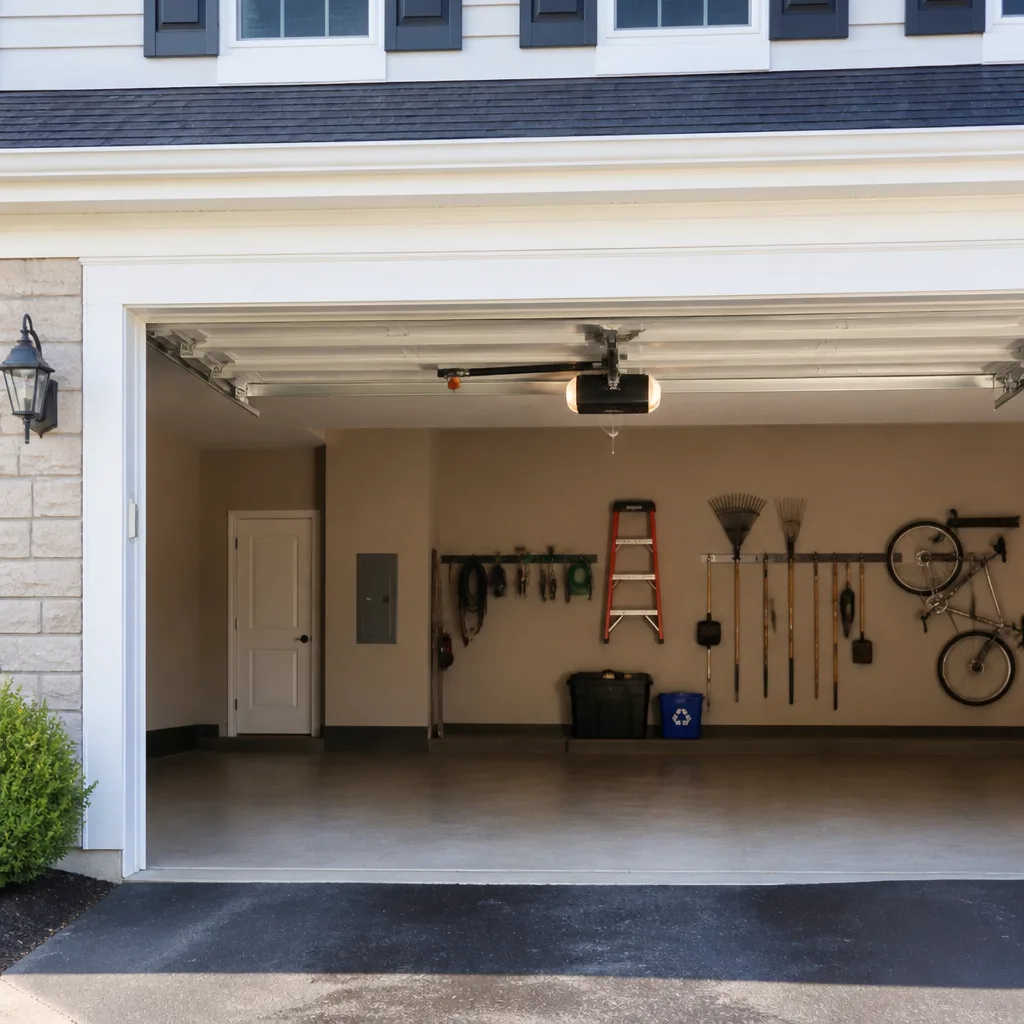 LiftMaster openers
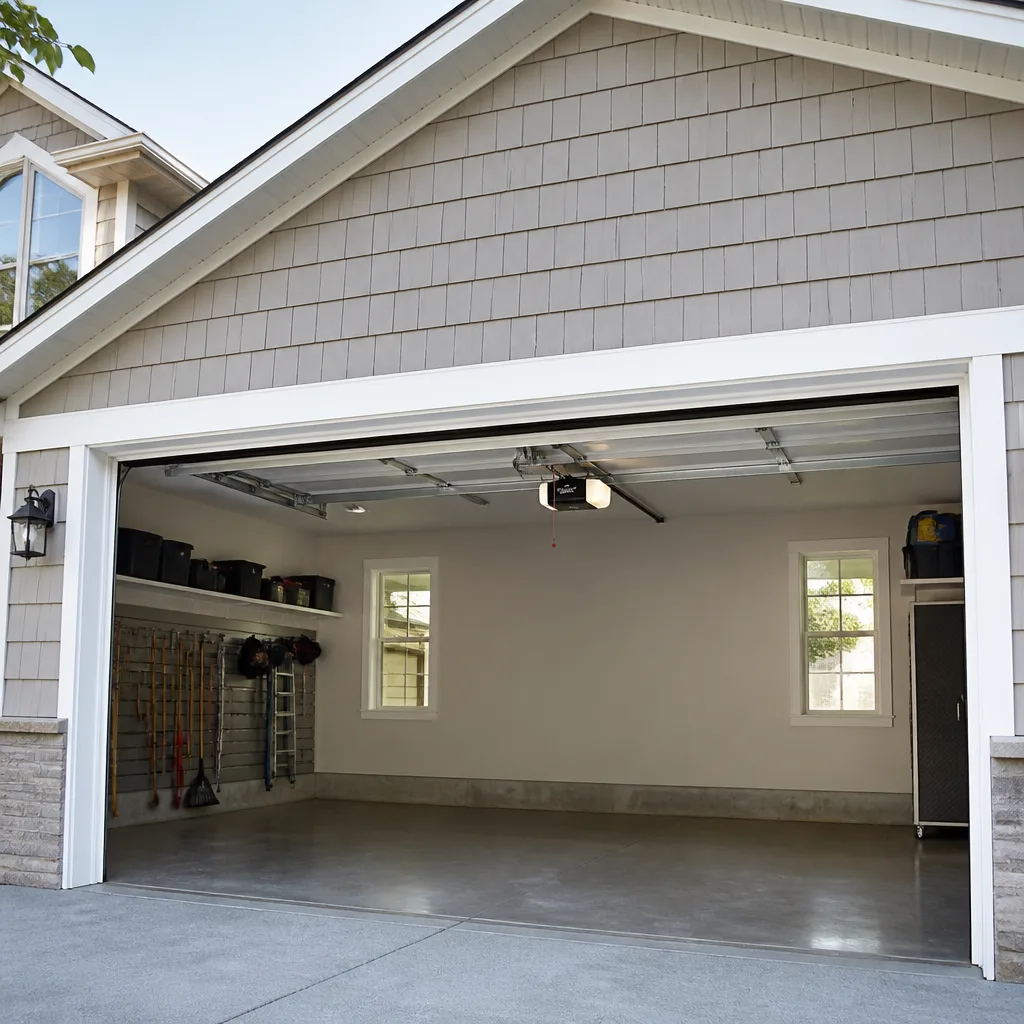 Chamberlain openers
Full 25-point door and opener safety check with every visit - springs, cables, rollers, tracks, and your LiftMaster or Chamberlain opener included
You get a price before we start. It does not change when the pro arrives.
Get your free estimateHow to Hire a Garage Door Contractor in Woodbridge Township: A Step-by-Step Guide
A contractor can be registered with the state, insured, polite, and on time, and still install the wrong spring cycle rating for your door’s weight. That mistake doesn’t show up on the invoice. It shows up eighteen months later, when a spring that should have lasted a decade snaps and you’re paying for the job twice. In Woodbridge Township, where dozens of garage door companies operate within a short drive, the thing that separates a good hire from an expensive one isn’t the logo on the van or the friendliness of the phone call. It’s diagnostic depth: whether the person standing in your driveway can read your door and explain, specifically, what it needs. This guide walks you through screening for technical competence, comparing quotes fairly, and reading a written estimate closely enough to verify the work after it’s done.
Quick Answer
To hire a garage door contractor in Woodbridge Township, verify New Jersey Home Improvement Contractor registration first, then screen for technical depth by asking how they measure spring size and cycle rating for your door’s weight and what DASMA standards they follow. Compare quotes only after you’ve normalized parts specs (spring cycle, roller type, opener horsepower), and insist on a written estimate that lists every part by specification so you can verify it after installation. A cheap quote that specs the wrong parts is more expensive than a fair quote that specs them right.
Styles & brands we work with
- Raised-panel steel
- Carriage house
- Modern flush
- Full-view glass
- LiftMaster openers
- Chamberlain openers
Table of Contents
- Why Credentials Are the Floor, Not the Ceiling
- The Technical Questions That Separate Pros From Guesses
- NJ HIC Registration: What It Proves and What It Doesn’t
- Red Flags Specific to the Garage Door Industry
- How to Compare Quotes Apples to Apples
- What a Written Estimate Should Include in Woodbridge Township
- Step-by-Step: The Hiring Process From First Call to Final Check
- What to Verify After the Job Is Done
Why Credentials Are the Floor, Not the Ceiling
New Jersey requires home improvement contractors to register with the state’s Division of Consumer Affairs. That registration is a real and necessary starting point, but it only tells you a contractor has filed paperwork and carried the required insurance. It says nothing about whether they understand the mechanics of the machine bolted above your car. Garage door work is a specialty trade, and the skills that matter most, spring sizing and balance and opener matching, aren’t tested by any registration form.
What you’re screening for on a garage door hire is narrower than general contractor vetting. You want someone who works on your door’s brand and system regularly, not a generalist who’ll figure it out in your driveway. In our experience, the technicians who do this daily can tell you the weight range of a standard single-car door and why it matters for spring selection without pausing. The ones who can’t usually try to steer the conversation toward a full replacement instead.
Broad brand familiarity is a useful signal here, because your garage door is your home’s largest moving part and you shouldn’t have to replace it just to get it serviced. A company that works across LiftMaster, Chamberlain, Genie, Clopay, Amarr, Wayne Dalton, Craftsman, and Raynor equipment is set up to repair the system you already own rather than sell you into one brand’s ecosystem. When you call around Woodbridge Township, ask which brands they work on and listen for a list, not a single name. That one question filters out a surprising number of callers.
Registration is the entry ticket. Diagnostic depth is the hire.
The Technical Questions That Separate Pros From Guesses
This is the part of the process most homeowners skip, and it’s the part that decides whether your repair lasts. A technician who guesses does so silently, and you won’t know until the door fails again. The fix is to ask three or four specific questions and listen for the difference between a real answer and a rehearsed one.
- “How do you determine the right spring for my door?” A knowledgeable answer involves weighing the door or reading its spec, matching the spring’s cycle rating to the door’s weight, and explaining that a matched pair is normally replaced together. A vague answer like “we bring the standard size” is a warning.
- “What DASMA standards do you follow for spring cycle rating?” DASMA is the Door and Access Systems Manufacturers Association, the body that publishes the industry standards for cycle life. A pro knows the term and can talk about standard versus high-cycle springs. A guesser changes the subject.
- “Will the opener you’re recommending work with my existing door’s weight and travel?” Openers are matched to the door, not sold standalone. Anyone quoting an opener without asking about your door’s size and balance is selling, not diagnosing.
- “How will you test the door’s balance after the repair?” The answer should describe checking that the door holds position when partly open and moves with even effort. That test confirms the spring is right.
When you ask these in Woodbridge Township, you’ll notice a pattern: the companies that answer clearly tend to be the ones that treat spring repair as a dedicated specialty rather than an add-on. That distinction matters, because spring work is one of the most dangerous and commonly botched garage door repairs. We’ve seen the results of wrong-cycle springs and poorly tensioned cables, and the pattern is consistent: the door runs for a while, then fails early, sometimes with the door stuck open or off its track.
One caution before you test a door yourself. Torsion springs and the cables under tension store enough energy to cause serious injury, and adjusting them is not a homeowner task. A good contractor will tell you the same. If a company hands you instructions for winding your own spring, that’s a reason to end the call.
NJ HIC Registration: What It Proves and What It Doesn’t
New Jersey’s Home Improvement Contractor (HIC) registration, administered through the Division of Consumer Affairs, is the baseline legal requirement for anyone doing paid home improvement work in the state, including garage door installation and repair. Before you book anyone in Woodbridge Township, confirm they’re registered. It’s quick, and skipping it is the single most avoidable mistake on this list.
Here’s the part most homeowners miss: HIC registration is a floor, not a ceiling. It confirms a contractor has registered and maintains the insurance the state requires, but it doesn’t vet their garage door-specific skill, their parts sourcing, or whether they’ll spec a spring that matches your door. Two registered contractors can be worlds apart on the work itself.
So what do you vet beyond the registration? Start with these:
- Brand and system fluency. Ask which door and opener brands they service. A multi-brand shop can repair what you have; a single-brand shop may steer you toward replacing it.
- Spring-specific capability. Ask directly whether spring repair is a dedicated service and how they size springs. The answer reveals more than any brochure.
- Emergency readiness. Ask what happens if your door fails on a Sunday or won’t close. A company built for emergencies will answer without hesitation; one that isn’t will improvise.
- Written estimates as standard. Ask whether the quote is always in writing, with parts specified. A verbal-only estimate is a red flag for every trade, and especially this one.
In our experience, the vetting that matters most for garage door work happens in the conversation, not on a certificate. The registration clears the legal bar. Your questions clear the competence bar.
Red Flags Specific to the Garage Door Industry
Some garage door warning signs are universal to any trade: no written estimate, pressure to decide today, refusal to show registration. But this industry has its own tells, and they’re easy to miss because they often sound helpful or efficient at the time.
Spring prices that are too low. A spring quote well below what the market charges in your area usually means one of two things: a low-cycle spring that will fail early, or a single spring swapped in for a pair that should be replaced together. The low price isn’t a deal. It’s a shorter lifespan you’ll pay for later. When a quote for springs comes in far below the others, ask what cycle rating it specifies. The answer tells you whether you’re comparing the same product.
Openers sold without door compatibility. An opener is matched to your door’s weight and travel. Anyone quoting an opener model without first asking about your existing door, or without mentioning that your current opener’s brand affects parts and support, is selling product rather than solving a problem. The right question back is: “Will this work with my door as it stands, and why?”
“Same-day replacement” pressure. Repair and replacement are different jobs. A contractor who jumps straight to replacement before diagnosing the actual fault is either guessing or upselling. A repair specialist diagnoses first; replacement only enters the conversation if the door or opener genuinely can’t be repaired. Full-spectrum capability should mean you don’t need a second company when a repair becomes a replacement, not that replacement is the first answer.
Other red flags worth naming: a technician who can’t explain what they changed and why; a company that won’t put parts specs in writing; and any outfit that pushes a brand you didn’t ask about while dismissing the one you already own. In Woodbridge Township, where the garages are as varied as the housing stock, a one-size answer should make you suspicious.
How to Compare Quotes Apples to Apples
Comparing garage door quotes by bottom-line price alone is how homeowners end up paying twice. Two quotes for “spring replacement” can be for completely different products: a standard-cycle spring versus a high-cycle one, a single spring versus a matched pair, cheap nylon rollers versus sealed bearings. The numbers only mean something once the specs line up.
Here’s the framework. Build a simple comparison across your quotes:
- Springs: cycle rating, single vs. matched pair, steel quality. Do all quotes specify the same cycle life? A lower price on a low-cycle spring isn’t cheaper; it’s a shorter replacement interval.
- Rollers: type (nylon, steel, sealed bearing) and count. Cheap rollers are a common corner to cut, and they wear out and get noisy fast.
- Opener: brand, horsepower, and smart-platform support. If quotes name different horsepower, you’re comparing different capabilities, not different prices.
- Hardware and cables: whether hinges, brackets, and cables are included or extra.
- Labor and testing: whether the quote includes balancing, safety-reverse testing, and a final walkthrough.
Once you’ve normalized the specs, re-sort by price. The quote that looked high often becomes the fair one, and the low quote usually comes with the smallest parts and the least testing. That’s the apples-to-apples view, and it’s the only view worth comparing.
One more normalizer: the written quote is the price. Not an estimate with a surprise at the end, not a range that floats upward once the technician sees the door. Insist that every quote you compare carries a firm price for the specified work, agreed before anyone starts.
What a Written Estimate Should Include in Woodbridge Township
A written estimate you can’t verify after the fact isn’t much protection. The difference between a useful estimate and a thin one is whether it lists parts by specification, so you can check the work matches the quote once the door is back in motion. When you collect quotes in Woodbridge Township, hold each one to the same standard.
A proper written estimate should include all of the following:
- Parts specified by type: spring cycle rating, roller type and count, opener brand and horsepower, cable and hardware specs.
- Scope of work: what’s being repaired or replaced, and what’s explicitly not included.
- Firm price: the total for the specified work, agreed before work starts, with no line items left to “see once we’re in there.”
- Cleanup and testing: whether balancing, safety-reverse testing, and haul-away of old parts are included.
- Warranty terms: whether parts and labor carry separate coverage, stated in writing.
- Contractor identification: company name and the HIC registration details you verified before booking.
The parts spec is the part homeowners most often leave out, and it’s the part that protects you. If the estimate says a high-cycle spring but the invoice name on the part doesn’t match, you have recourse. If the estimate says only “replace spring,” you have nothing to compare against.
If the job is a spring or opener repair and you need help, our garage door spring repair page covers how we size and install springs to match your door’s weight and cycle needs. For opener jobs across the major smart platforms, our garage door opener repair service works on the brand you already have.
Step-by-Step: The Hiring Process From First Call to Final Check
Here’s the whole process in order, so you can run it without second-guessing each decision.
- Diagnose the problem before you call. Note whether the door won’t open, won’t close, runs unevenly, or makes noise. Knowing the symptom helps you judge the contractor’s diagnosis.
- Confirm HIC registration on your first call. Ask for the registration and confirm it through the state Division of Consumer Affairs. It takes minutes and eliminates the wrong companies.
- Ask the technical questions. Spring sizing, DASMA standards, opener compatibility, balance testing. If the answers are vague, move on.
- Get written estimates from at least two companies. Compare them on the spec framework above, not on bottom line alone.
- Clarify the parts spec. If any quote uses a brand or model you don’t recognize, ask what it means in plain terms. A good contractor explains; a guesser deflects.
- Confirm the final price is written and agreed before work starts. No work begins on a handshake or a verbal estimate.
- Watch the diagnosis and ask what changed. When the technician works, a pro explains what they found and why the repair addresses it.
- Test the door and keep your estimate. Run it up and down once the work is done, confirm it’s balanced and quiet, and file the estimate and warranty terms together.
That sequence solves the core problem this guide started with: it screens for competence, not just credentials. The companies that clear it are the ones you can call without wondering whether you got the right spring.
What to Verify After the Job Is Done
The contract is only half the protection. The other half is checking the work against the estimate. Do this in the driveway before the technician leaves, or on the same day if you prefer.
- Match parts to the estimate. Check the spring, roller, or opener model against the written spec. If the part doesn’t match the quote, ask before signing off.
- Test balance. Open the door halfway by hand and let go. A properly balanced door holds position. A door that drifts up or down indicates a spring or balance problem.
- Listen for noise. A freshly serviced door should run quieter than before. New grinding or squealing is a reason to ask.
- Confirm the safety reverse. The door should reverse when it meets an obstruction. This is a standard safety test and should always be included.
- File the warranty terms. Keep the estimate, invoice, and any warranty documents together so coverage is clear if something fails.
If the work holds up, you’ll have a contractor you can call for future service without running the whole screening process again. If it doesn’t, you’ll have the written record to back you up. Either way, the check takes ten minutes and closes the loop on everything you vetted during the hire.
Common Mistakes to Avoid
- Booking on price alone. Comparing bottom-line prices across quotes that spec different springs, rollers, and opener power is comparing apples to oranges. Normalize the specs first, then compare, or you’ll be paying for the low quote’s shorter lifespan.
- Skipping the DASMA question. If you don’t ask about cycle rating, you can’t know whether your spring will last ten years or eighteen months. Ask, and treat a vague answer as a pass.
- Accepting a single spring for a pair job. When a door needs a matched pair, swapping in one spring throws off the balance and shortens the life of both. Ask whether your quote is for one or a pair.
- Letting an opener be sold without a compatibility check. In Woodbridge Township, where openers are as varied as the households using them, an opener that doesn’t match your door’s weight and travel is a problem you’ll discover later. Make the compatibility question part of every quote.
- Rushing to replace a repairable door. A door that’s out of balance, noisy, or stuck isn’t automatically a replacement. If a contractor jumps to replacement before diagnosing, get a second opinion.
- Working without a written estimate. A verbal quote that changes once the technician “gets a look” wins the call and loses you money. Insist on a written, firm price before work starts.
- Trying spring work yourself. Torsion springs and cables under tension cause serious injuries when handled without training. This is the one job on your door that’s never a weekend project.
See the difference
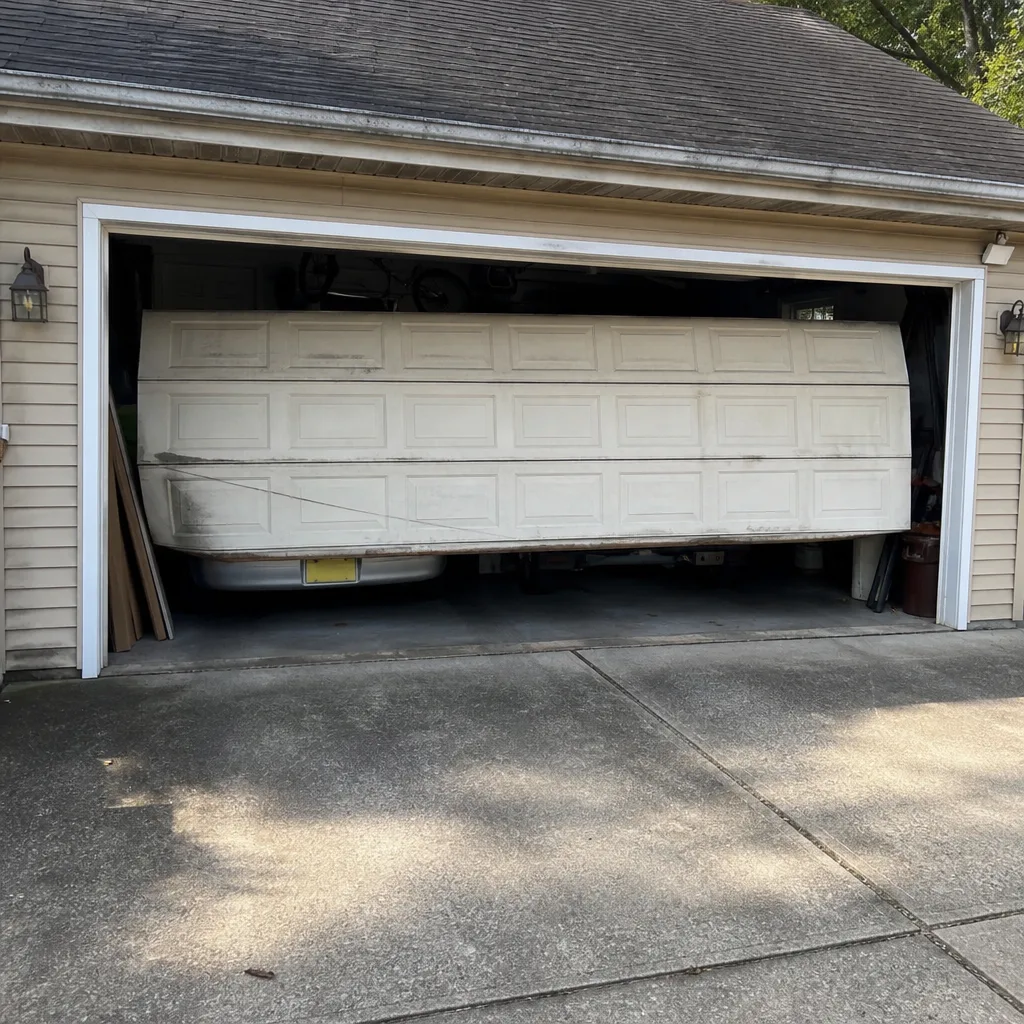 Before
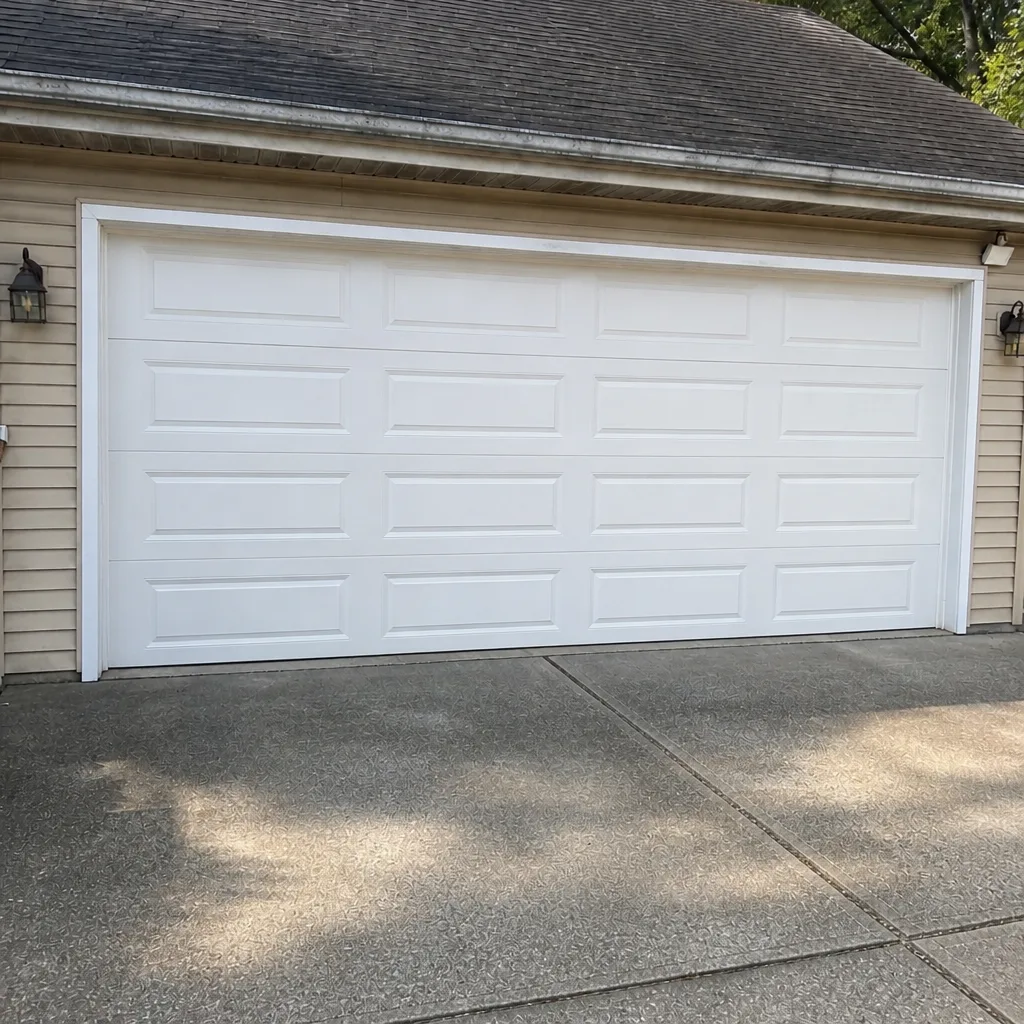 After
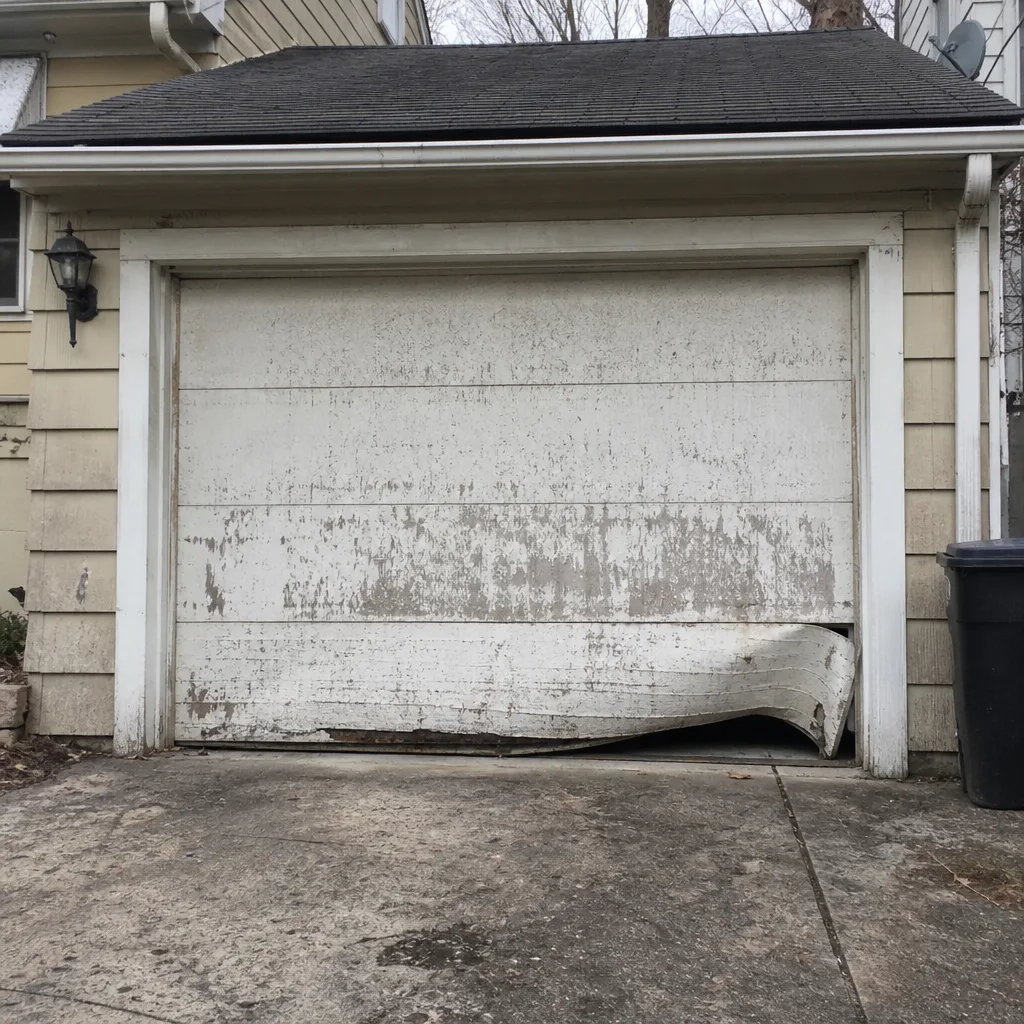 Before
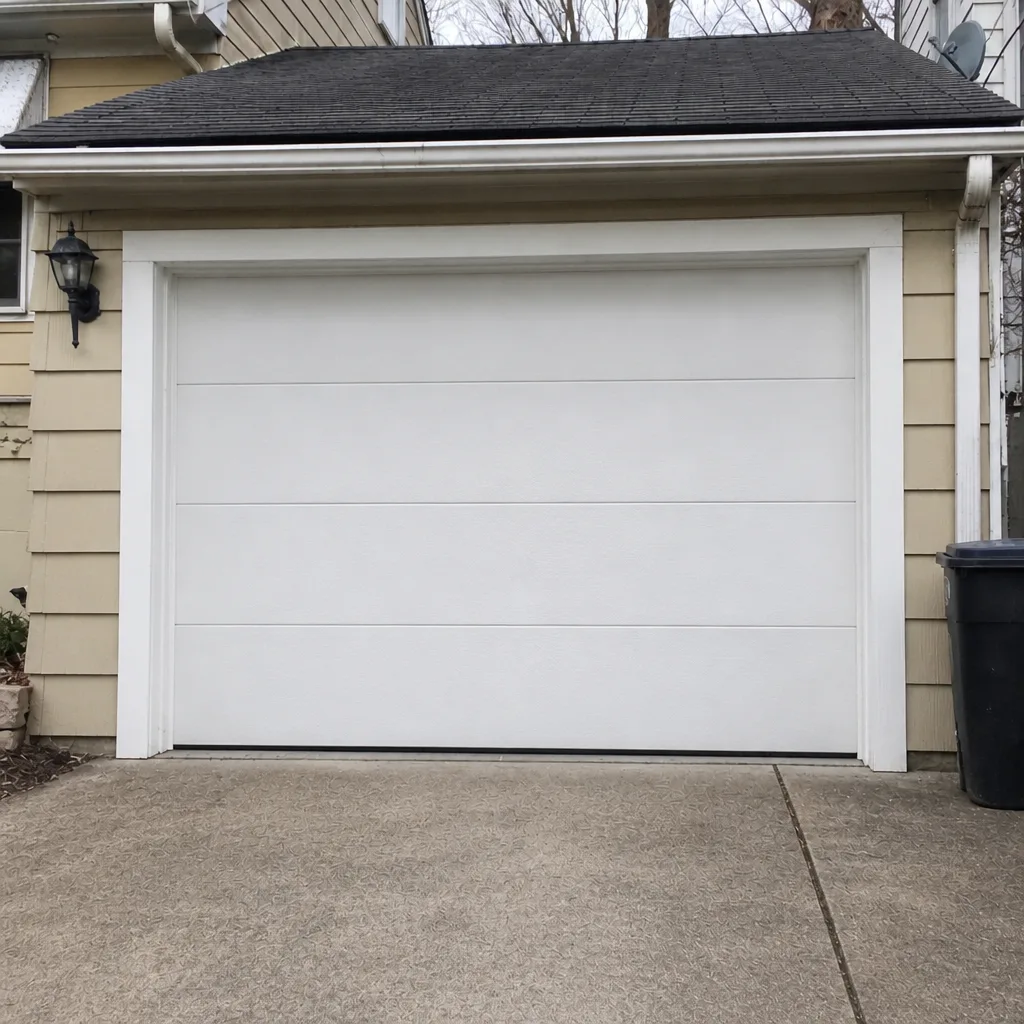 After
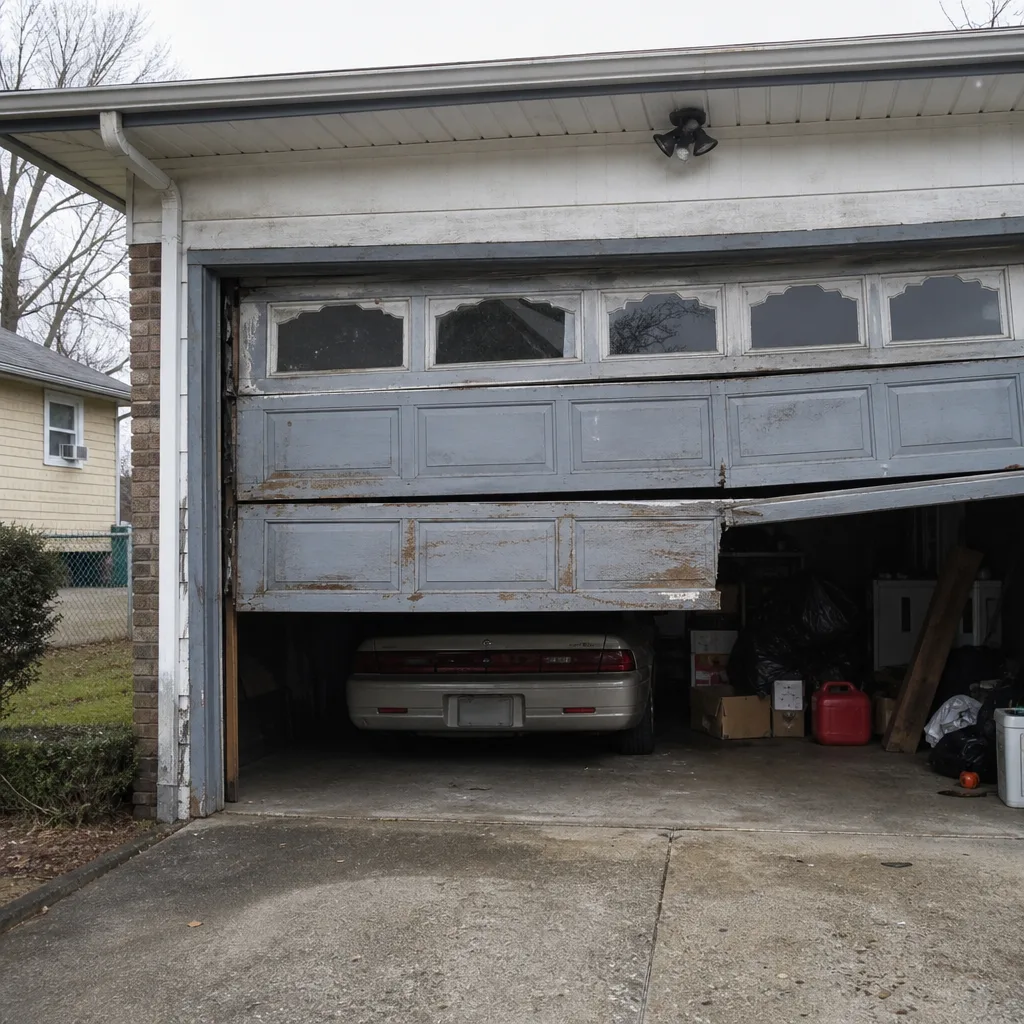 Before
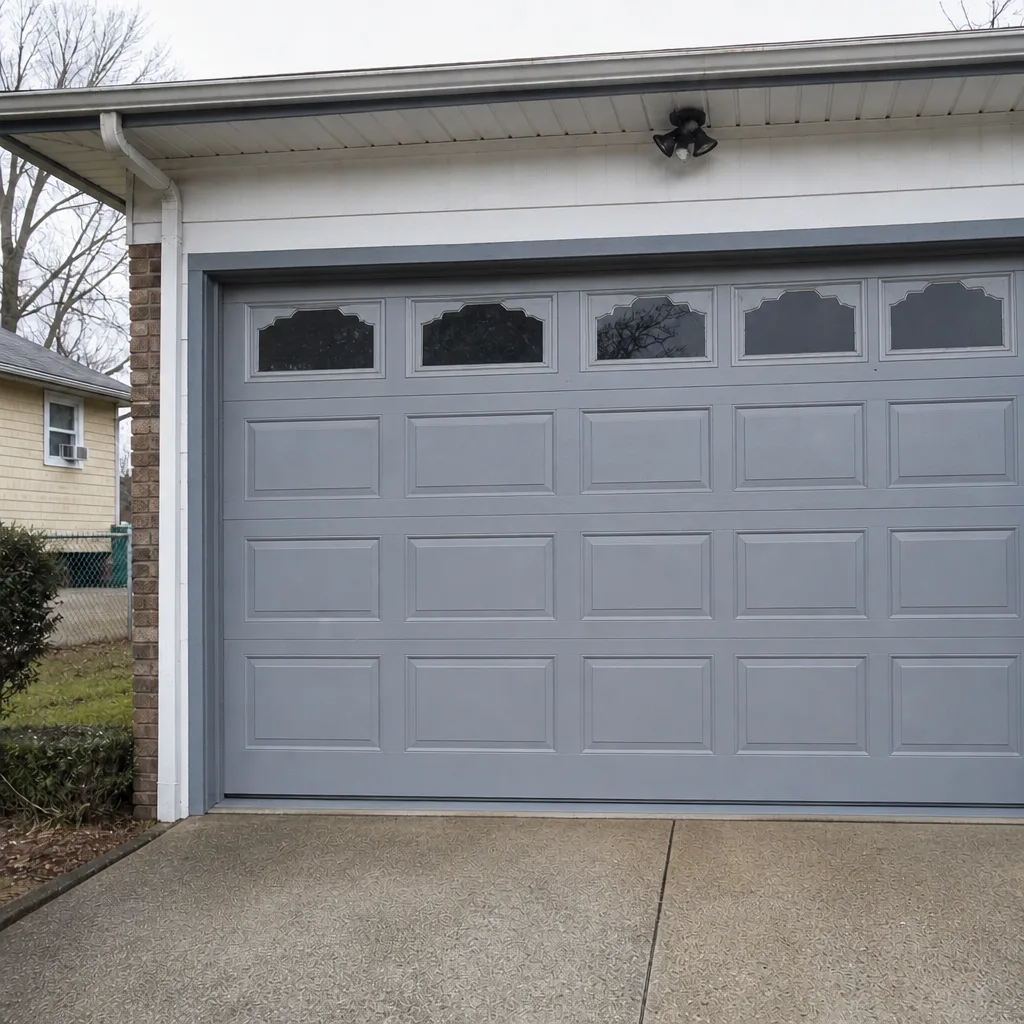 After
When to Call a Professional
Some garage door problems are safe to observe and slow to get worse; others need a trained technician and nothing else. Call a professional when the door won’t close or reverses partway, when the door is visibly off its track or crooked, when a spring has visibly broken or the door feels suddenly much heavier, or when the opener runs but the door doesn’t move. Those are the symptoms of failure in the components that carry the door’s weight or control its travel, and diagnosing them without training risks injury and misdiagnosis. Routine service like roller noise and opener glitches is worth a call too, before it becomes an emergency.
Woodbridge Garage Door Repair Pros offers free estimates in Woodbridge Township. Call (855) 337-1749. We answer 24/7. Fast dispatch from 7am to 7pm, Sunday through Friday. For anything from a single spring to a full door replacement, our garage door repair team diagnoses first and quotes in writing before anything starts.
Frequently Asked Questions
Confirm the contractor is registered as a New Jersey Home Improvement Contractor through the Division of Consumer Affairs and ask the technical screening questions about spring sizing, DASMA cycle ratings, and opener compatibility. Registration clears the legal requirement; the technical answers show whether they can actually do the work. A company that answers both clearly is qualified to hire. Call (855) 337-1749 for a free estimate from a team that works on the brand you already have.
A lower spring price almost always means a lower cycle rating or a single spring swapped in where a pair belongs, not a better deal. The product is different, so the price is different. Ask each contractor to specify cycle rating and whether the quote covers one spring or a matched pair before you compare prices. Call (855) 337-1749 for a written quote that lists the spec.
Repair is the right first answer in most cases. Springs, rollers, cables, and openers are all serviceable, and a door that’s out of balance or noisy usually needs a specific repair rather than a new door. Replacement only makes sense when the door itself is beyond repair. A contractor who diagnoses before quoting is the one to trust here. Call (855) 337-1749 to get a diagnosis before you consider replacement.
Ask whether the recommended opener matches your existing door’s weight and travel, and whether it supports the smart-home platform you actually use. LiftMaster, Chamberlain, Genie, and Craftsman openers each have their own app ecosystems, so compatibility matters beyond horsepower. A contractor who asks about your door before recommending an opener is doing it right. Call (855) 337-1749 for opener help across the major platforms.
Yes, if the estimate is written by a contractor who diagnoses before quoting. Ask for the price in writing, with parts specified, and confirm it’s agreed before work starts. A firm written price is the standard; anything that floats once the technician “gets a look” is a reason to hold off. Call (855) 337-1749 for a written estimate with the parts spec included.
We answer 24/7, and dispatch runs Sunday through Friday, 7am to 7pm. If your door is stuck open or won’t close, call and we’ll book you for the next available opening. Our Woodbridge Garage Door Repair Pros team handles emergency failures as a core service, including springs, tracks, and openers.
The Bottom Line
Hiring a garage door contractor in Woodbridge Township comes down to one idea: screen for diagnostic depth, not just credentials. State HIC registration is the floor, so confirm it, then move to the questions that actually separate contractors. Ask how they size springs, what DASMA cycle rating they spec, and whether an opener is matched to your door before it’s sold. Normalize parts specs across quotes so you’re comparing the same product, and insist on a written estimate with the detail to verify after the job. A cheap quote with the wrong parts costs more than a fair quote with the right ones every time. Do the screening once, and the door that comes out of it is built to last.
Written by the team at Woodbridge Garage Door Repair Pros.